
Plants
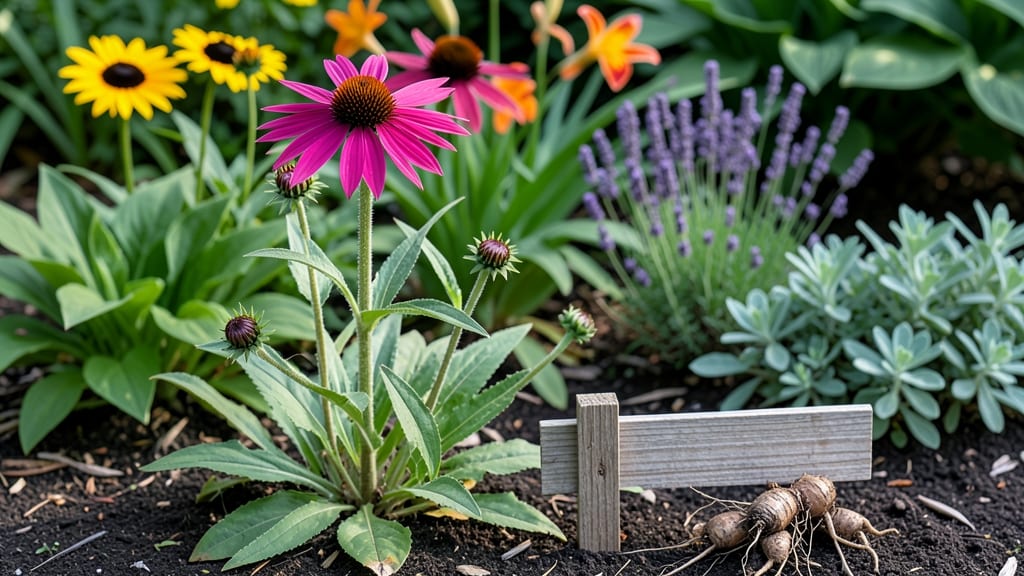
Perennials are plants that return every year from the same root system, producing flowers and foliage annually without needing to be replanted, unlike annuals that live only one season.
These hardy plants store energy underground during winter months, allowing them to push new growth from the same roots each spring. 🌱 The key difference from annuals is their long lifespan—perennials like coneflowers or hostas can thrive for decades with minimal care, making them ideal for low-maintenance gardens.
Many gardeners choose them specifically for their reliability and ability to establish strong root systems over time.
What sets perennials apart isn't just their longevity but their adaptability. Many varieties develop deeper root systems year after year, becoming more drought-resistant and better able to handle temperature fluctuations. This makes them particularly valuable for gardeners in challenging climates where annuals might struggle to survive through seasonal changes.
💡 In This Article
- How Perennial Plants Survive Through Seasons
- Choosing Perennials for Your Garden Climate
How perennial plants survive through seasons
The secret to perennials' year-after-year comeback lies in their specialized root systems. Unlike annuals that focus all energy on above-ground growth, perennials develop extensive underground networks—often reaching 3-5 feet deep—that store carbohydrates like starches and sugars.
These energy reserves act like a natural battery, fueling new shoots when spring arrives. 🌱 For example, peony roots can store enough energy to produce flowers for decades without replanting.
Dormancy is another critical adaptation. During winter, perennials enter a state of metabolic slowdown where growth halts but roots remain alive. Some varieties, like hostas, even produce antifreeze proteins that prevent ice crystal formation in their cells.
This allows them to survive -20°F temperatures while annuals would perish. The trade-off? Perennials often bloom later in spring as they rebuild energy reserves after dormancy.
Seasonal timing creates visible differences too. Annuals complete their entire lifecycle in one season—germinate, grow, flower, set seed, and die—while perennials spread their energy over multiple years.
Take black-eyed Susan: Its first-year growth focuses on root development, producing minimal flowers, but by year three, it bursts with 3-inch blooms that last all summer. This delayed gratification pays off with longer display periods than annuals.
Soil conditions dramatically affect survival rates. Perennials thrive in well-draining soil that prevents root rot during wet winters, while annuals can tolerate poorer conditions since they don't need to persist long-term.
The deeper root systems also make perennials more drought-resistant once established—something like lavender can go 4-6 weeks without water once its roots are mature, compared to annuals that wilt within days.
Light exposure plays a surprising role too. Many perennials adjust their leaf structure seasonally—developing thicker waxy coatings in winter to reduce water loss, then shedding them in spring.
This contrasts with annuals that maintain consistent foliage until death. The result? Perennials like sedum can survive full sun exposure that would scorch annuals in just hours.
What most gardeners don't realize is how perennials "age" differently. While annuals die completely each year, perennials continue maturing—often becoming more robust with each passing season. A 5-year-old daylily will produce 30% more blooms than its first-year counterpart, thanks to accumulated energy stores and expanded root zones.