
Plants
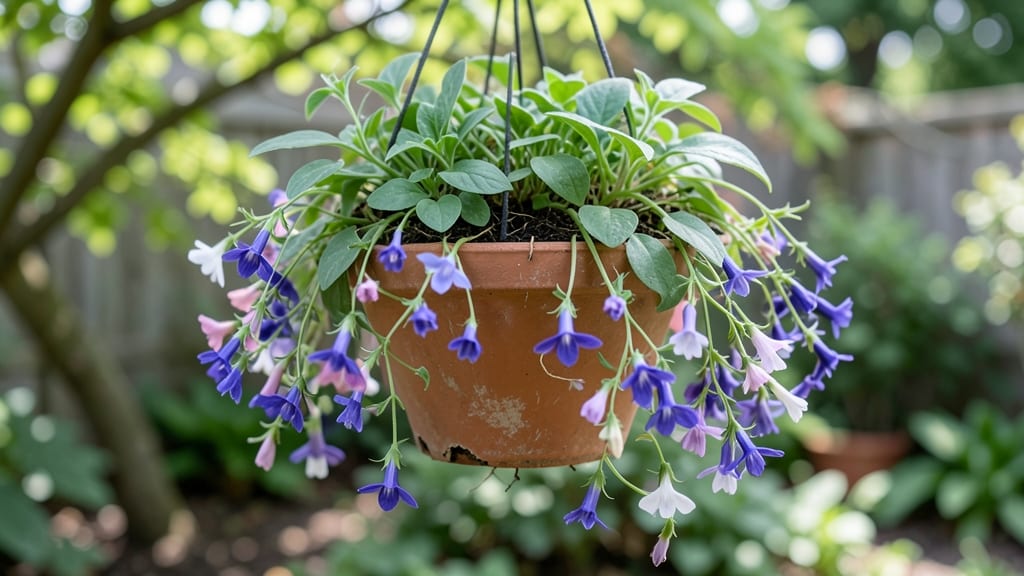
Trailing perennials are plants that spread horizontally along the ground or climb upward, returning year after year without replanting thanks to their strong root systems and aggressive growth patterns. These hardy plants create stunning ground cover and vertical interest while demanding little ongoing care.
A trailing perennial is essentially a garden workhorse—it spreads through specialized stems called stolons or runners, which root at nodes as they grow. 🌱 Unlike annuals that die back each season, these plants store energy in their roots, allowing them to rebound with vigor every spring.
This makes them perfect for filling large areas quickly or cascading over walls and containers without needing constant attention.
What sets them apart from other perennials is their ability to multiply naturally. For example, creeping thyme spreads rapidly in sunny spots, while ajuga creates lush mats in partial shade.
The key to managing them is understanding their growth habits—some varieties can become invasive if left unchecked, while others grow more slowly and fit neatly into borders.
💡 In This Article
- How Trailing Perennials Spread and Establish Roots
- Top Trailing Perennials for Gardens and Landscapes
How trailing perennials spread and establish roots
Trailing perennials spread through specialized stems called stolons or runners, which grow horizontally above ground and develop roots at nodes along their length. This process, called vegetative propagation, allows the plant to create new shoots without seeds.
Unlike annuals that complete their life cycle in one season, these plants store energy in their rhizomes (underground stems) or corms, enabling them to regrow each spring from the same root system. 🌱
The rooting process begins when a stolon touches soil—hormones trigger root formation at the nodes. For example, creeping Charlie (a common trailing perennial) can root at every node, creating a dense mat in just one growing season.
Rhizomatous types like bamboo spread underground, sending out new shoots from their root systems, while stoloniferous plants like strawberries spread above ground. This contrasts with non-trailing perennials, which typically grow upright and rely on seed production or division for propagation.
What makes these plants so persistent is their ability to adapt to seasonal changes. During winter, above-ground growth may die back, but the root system remains active, storing carbohydrates to fuel new growth in spring.
For instance, ajuga (bugleweed) survives harsh winters by maintaining a robust root network, while its foliage regrows from these stored reserves. This resilience explains why trailing perennials thrive in gardens with minimal care compared to annuals, which must be replanted every year.
However, this vigorous growth isn't without challenges. Some trailing perennials, like mint or creeping Jenny, can become invasive if not contained. Their rapid spread occurs because each node can produce a new plant, creating a dense carpet that may outcompete nearby species.
To manage this, gardeners often use physical barriers or regular pruning to redirect growth. The trade-off is clear: these plants offer stunning ground cover but require thoughtful placement to prevent overcrowding.
Consider the case of lamium, a trailing perennial that spreads via stolons and thrives in partial shade. Its leaves root where they touch the soil, creating a lush, cascading effect perfect for hanging baskets.
The key to their success lies in their adaptive rooting mechanism, which allows them to establish quickly in new environments. This trait makes them ideal for erosion control on slopes or filling gaps in garden beds without the need for constant replanting.
For gardeners, understanding these growth patterns means choosing plants that match their landscape goals. Fast-spreading types like creeping thyme are excellent for sunny, dry areas, while slower growers like heuchera (coral bells) provide color without overwhelming nearby plants.
The secret to their longevity lies in their ability to balance growth and energy storage, making them a low-maintenance yet high-impact choice for any garden. ✨