
Watering
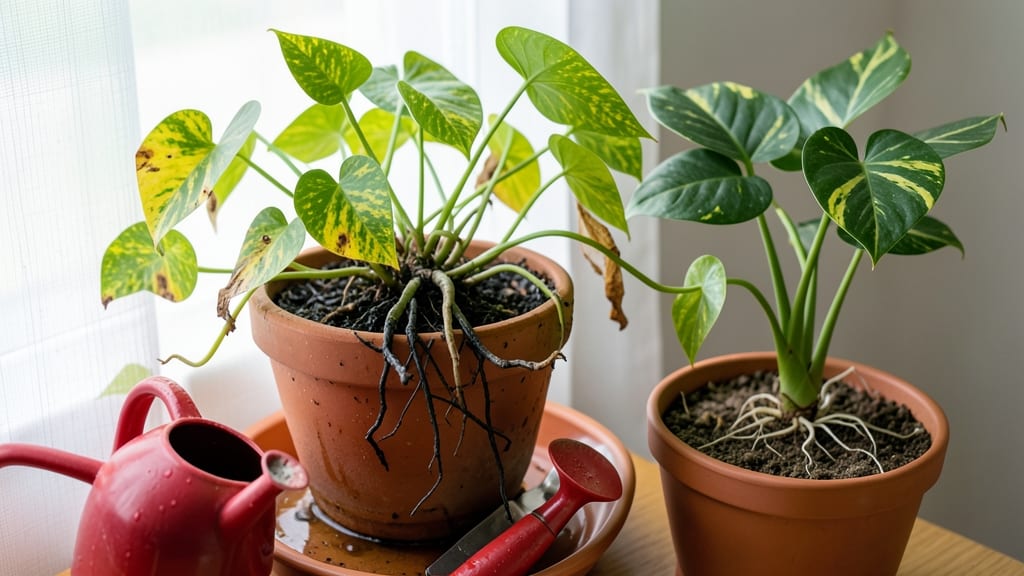
What happens when a plant is overwatered causes its roots to suffocate from oxygen deprivation, triggering root rot, yellowing leaves, and drooping despite wet soil. This creates ideal conditions for fungal infections and nutrient loss, which can permanently stunt growth or kill the plant if not addressed promptly.
When soil stays too wet, beneficial microbes and oxygen can't reach the roots, creating a suffocating environment. 🌱 This anaerobic state triggers anaerobic bacteria that produce toxins, while fungal pathogens like Pythium thrive in these damp conditions.
I've seen this happen most often with container plants or those in heavy clay soil—both retain moisture longer than ideal. The first visible signs are usually yellowing lower leaves paired with a mushy root system, but by then, the damage may already be irreversible without immediate action.
What's particularly frustrating is how overwatering mimics underwatering symptoms—wilting despite wet soil is a classic red flag. The key difference lies in the soil's texture: if it feels soggy when squeezed, you're likely overdoing it.
Many gardeners make this mistake because they assume plants need constant moisture, but most houseplants and garden varieties prefer their soil to dry out slightly between waterings.
💡 In This Article
- How Overwatering Damages Plant Roots and Leaves
- Steps to Revive an Overwatered Plant and Prevent Future Damage
How overwatering damages plant roots and leaves
When soil stays saturated for too long, plant roots experience oxygen deprivation—a condition called hypoxia. Healthy roots need oxygen to respire (breath), and without it, they switch to anaerobic respiration, producing toxic byproducts like ethanol and lactic acid.
These compounds poison root cells, causing them to break down in a process called root rot. The most common culprits are fungi like Pythium and Phytophthora, which thrive in waterlogged conditions and attack weakened roots 🌱.
This damage disrupts the plant's ability to absorb water and nutrients, even though the soil may appear moist. Overwatering also leaches essential minerals like nitrogen and potassium from the soil, leaving roots starved despite the excess water.
You'll often see yellowing leaves first on older foliage, as the plant prioritizes new growth. In severe cases, the entire plant may wilt because the roots can't deliver moisture to the stems—a stark contrast to the soggy soil.
The progression of root rot varies by plant type but typically follows this pattern: first, roots turn brown and mushy, then the infection spreads upward through the stem. In container plants, you might notice the soil emitting a foul odor from bacterial buildup.
The key factor here is soil composition—heavy clay or compacted soil holds water longer than sandy or loamy mixes, accelerating rot. Even fast-draining cactus soil can become problematic if watered too frequently without proper drainage.
Leaf symptoms often appear before root issues become visible. Overwatered plants develop chlorosis (yellowing between leaf veins) due to nutrient deficiencies, while edges may turn brown from salt buildup in the soil. The plant may also produce fewer flowers or fruits as it diverts energy to survival rather than reproduction.
What's especially confusing is that these symptoms mimic underwatering, making diagnosis tricky without checking the roots 💫.
Temperature plays a surprising role too. Cooler conditions slow root respiration, making plants more vulnerable to waterlogging. In winter months, many gardeners overcompensate by watering less, but the roots still suffer from excess moisture.
The opposite happens in heat—plants transpire faster, but if you water at the wrong times (like late afternoon), evaporation slows, leaving roots saturated overnight.
Consider this comparison: a well-draining potting mix allows excess water to escape within hours, while heavy garden soil may stay waterlogged for days. That's why container plants are particularly prone to overwatering—their limited root space can't handle frequent waterings.
The solution often involves adjusting both your watering habits and the growing medium to match the plant's specific needs.