
Plants
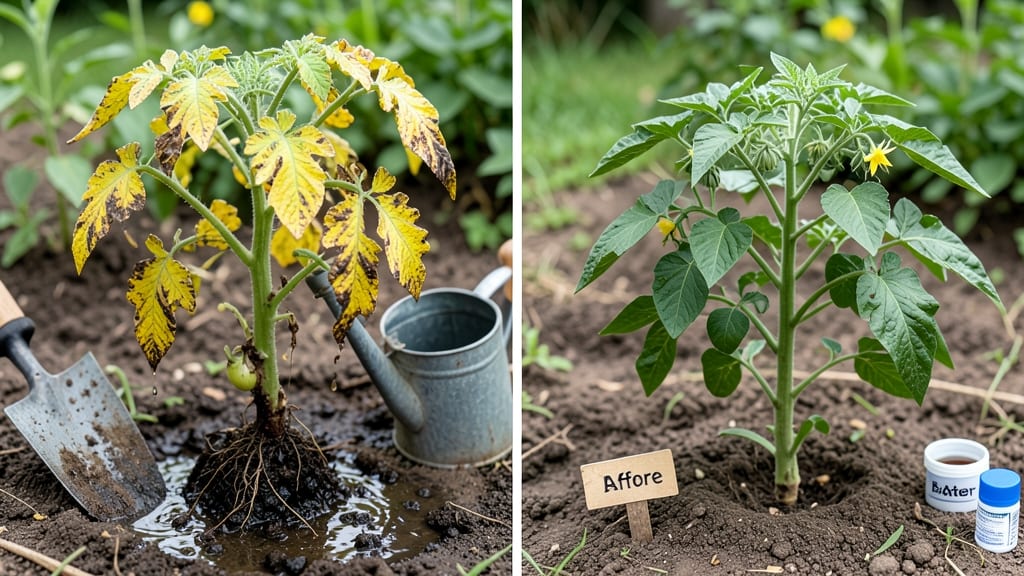
Overwatered plants often recover if you act quickly, but severe root rot or fungal infections can be fatal. Cut away blackened roots, replant in fresh, well-draining soil, and adjust your watering routine to save your plant.
When soil stays soggy for days, plant roots suffocate from lack of oxygen, leading to rot and fungal growth—both of which can spread fast. 🌱 The first sign is often yellowing leaves or stems that feel mushy when touched.
I've seen even stubborn plants bounce back when I catch the problem early and give them a chance to dry out completely between waterings. The key is balancing moisture with airflow: use pots with drainage holes and a soil mix designed for your plant type.
For houseplants, start by gently removing the plant from its pot and trimming any black or soft roots with sterilized scissors.
Repot in a container with fresh, well-draining potting mix, then hold off on watering for at least a week to let the roots recover. 💧 Monitor the soil moisture with your finger—if the top inch feels damp, wait another day.
Over time, you'll learn your plant's unique needs, and most will reward you with new growth within a few weeks.
💡 In This Article
- How Overwatering Damages Plant Roots and Leaves
- Step-by-Step Revival Guide for Overwatered Houseplants
How overwatering damages plant roots and leaves
When soil stays saturated for too long, plant roots experience a dangerous lack of oxygen—a condition called anaerobic stress. Healthy roots need oxygen to respire, and without it, they can't absorb nutrients or water efficiently.
This creates the perfect environment for harmful microbes to thrive, including Pythium and Phytophthora, fungi that cause root rot. You'll often see roots turn black or mushy within 3-5 days of chronic overwatering, as the cells break down from lack of oxygen and microbial attacks.
The damage doesn't stop at the roots—excess moisture forces plants to work harder to transport water and nutrients, which stresses the entire system. Leaves often respond by turning yellow (chlorosis) as the plant can't distribute chlorophyll properly.
In severe cases, leaves may develop brown, crispy edges or even drop entirely. 🌱 The stem can also weaken, feeling soft or hollow when pressed, signaling the plant is struggling to maintain its structural integrity.
This is especially common in tropical plants like ferns or calatheas, which are particularly sensitive to soggy conditions.
Another critical issue is nutrient depletion. Waterlogged soil creates an environment where beneficial microbes die off, reducing the soil's ability to break down organic matter. This means even if you're fertilizing, your plant won't be able to access the nutrients effectively.
The roots may also release toxic byproducts like ethanol and lactic acid as they struggle to survive, further poisoning the soil and creating a vicious cycle. This is why repotting in fresh, sterile soil is often necessary for recovery.
Visual signs of overwatering can vary by plant type, but there are universal red flags to watch for.
Drooping leaves that don't perk up after watering, a foul smell emanating from the soil (like rot or mildew), and stunted growth are all clear warnings. 💧 Even plants that seem resilient, like succulents or cacti, can develop a condition called "edema"—water blisters on leaves—that indicates they're receiving too much moisture.
The key is acting before these symptoms become irreversible, as some plants can recover within 2-4 weeks with proper care, while others may never fully bounce back.
Understanding the science behind overwatering helps you prevent it in the first place. Most houseplants thrive when the top 1-2 inches of soil are dry to the touch.
Using pots with drainage holes and a well-draining soil mix (like a blend of potting soil, perlite, and sand) can make all the difference. For example, a snake plant can survive weeks with dry soil, while a peace lily will show distress after just 3-5 days of overwatering.
Tailoring your approach to your plant's native environment is the best defense against this common gardening mistake.