
Planting
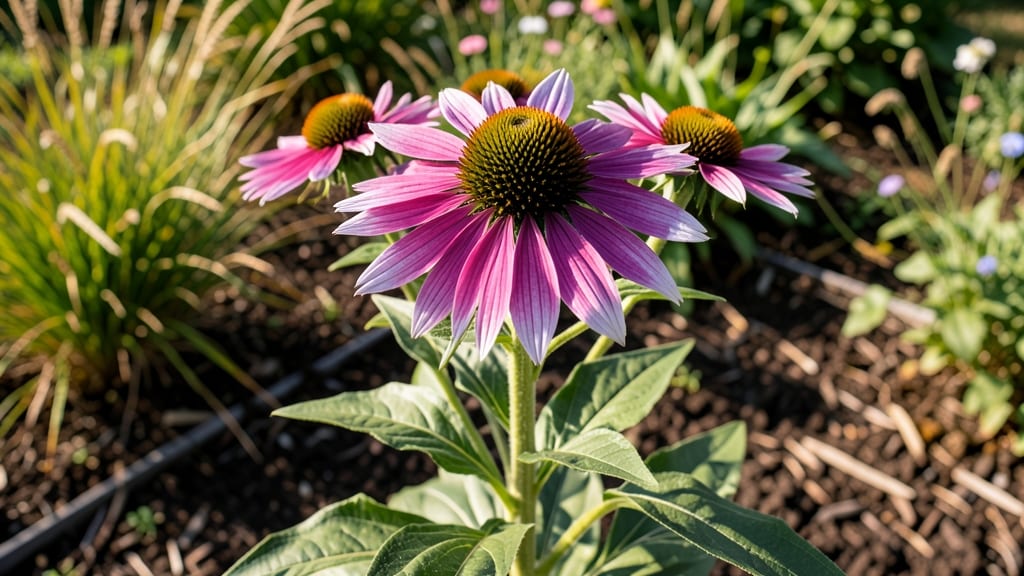
A perennial plant is a flowering or non-flowering species that lives for more than two years, regrowing from the same root system annually after dying back in winter or dormancy periods. Unlike annuals or biennials, perennials return season after season with proper care.
A perennial plant thrives by developing deep, hardy root systems that store nutrients and energy underground, allowing them to survive harsh winters or dry spells. 🌱 Unlike annuals that complete their life cycle in a single season or biennials that take two years, perennials consistently come back year after year, often with even more vigor.
This makes them ideal for gardeners seeking low-maintenance, long-term beauty—think of stalwarts like hostas, lavender, or peonies that reward patience with decades of blooms.
What sets perennials apart is their ability to adapt to seasonal changes. Many enter a dormant phase during cold months, conserving resources until conditions improve. This resilience isn't just about longevity—it's about sustainability.
Once established, perennials require less watering and fertilizing than annuals, making them both eco-friendly and cost-effective choices for landscapes.
💡 In This Article
- How Perennial Plants Survive Through Seasons
- Best Perennial Plants for Gardens and Landscapes
How perennial plants survive through seasons
The secret to a perennial's endurance lies in its root system, which acts like a biological battery. Unlike annuals that invest all their energy into a single growing season, perennials develop deep, fibrous roots that store carbohydrates (like starch and sugars) as insulation against cold or drought.
Think of a peony root—it can grow up to 2 feet deep and store enough energy to fuel a 6-foot-tall plant the following spring. This underground network also anchors the plant firmly, preventing wind damage during storms.
Dormancy is another critical survival strategy. When temperatures drop below 40°F, many perennials enter a state of suspended animation, slowing metabolic processes to conserve energy. For example, lavender sheds its leaves and becomes woody, while hostas retreat underground, leaving only their roots and rhizomes intact.
Some perennials, like coneflowers, even produce specialized buds called "crown buds" that remain protected beneath the soil, ready to sprout when conditions improve. This adaptation explains why perennials can bounce back from 90% leaf loss in winter—unlike annuals, which die completely when their aboveground parts are destroyed.
The timing of regrowth is equally fascinating. Most perennials begin regenerating in early spring when soil temperatures reach 50-55°F. New shoots emerge from the crown or rhizomes, tapping into stored nutrients to fuel rapid growth.
What most gardeners don't realize is that perennials often produce two distinct growth flushes: an early burst of leaves followed by a later flowering phase. This staggered approach ensures they make the most of short growing seasons in cooler climates.
For instance, bee balm might leaf out in April but wait until June to bloom, conserving energy for maximum floral display.
Contrast this with annuals, which rely on rapid, all-in growth strategies. An annual like a marigold pours every ounce of energy into producing seeds within 90 days, leaving nothing for survival.
Biennials, like carrots, split their energy between leaf growth in year one and flowering in year two—but still die after reproduction. Perennials, however, treat each season as a chapter in a much longer story, gradually building biomass and resilience over decades.
This is why a well-established asclepias tuberosa (butterfly weed) can live for 20+ years with minimal intervention.
Climate adaptation plays a huge role in perennial survival. In desert regions, perennials like yarrow develop deep taproots to access water 10+ feet underground, while those in temperate zones (such as black-eyed Susans) rely on thick, fleshy roots to endure freeze-thaw cycles.
Even tropical perennials, like ginger, have evolved to store water in their rhizomes, allowing them to survive brief dry periods. The key difference? Perennials don't just endure—they optimize their growth patterns to match their environment, making them the ultimate survivors in the plant kingdom. 🌿
One often-overlooked mechanism is how perennials manage pests and diseases. Their long lifespan means they've had centuries to evolve defenses, such as allelopathic compounds (chemicals that deter competitors) in plants like mint or thyme.
Others develop tougher leaves or woody stems over time, becoming less appealing to herbivores. This built-in resistance reduces the need for chemical interventions, making perennials both ecologically robust and gardener-friendly.
For gardeners, understanding these mechanisms translates to practical care. The golden rule? Less is more. Once established, perennials thrive with 1-2 inches of water per week and annual mulching to protect roots.
Their ability to regenerate means you can often prune aggressively in early spring without harm—something that would kill an annual. This resilience is why perennials dominate native landscapes and low-maintenance gardens worldwide. 🌱