
Flowers
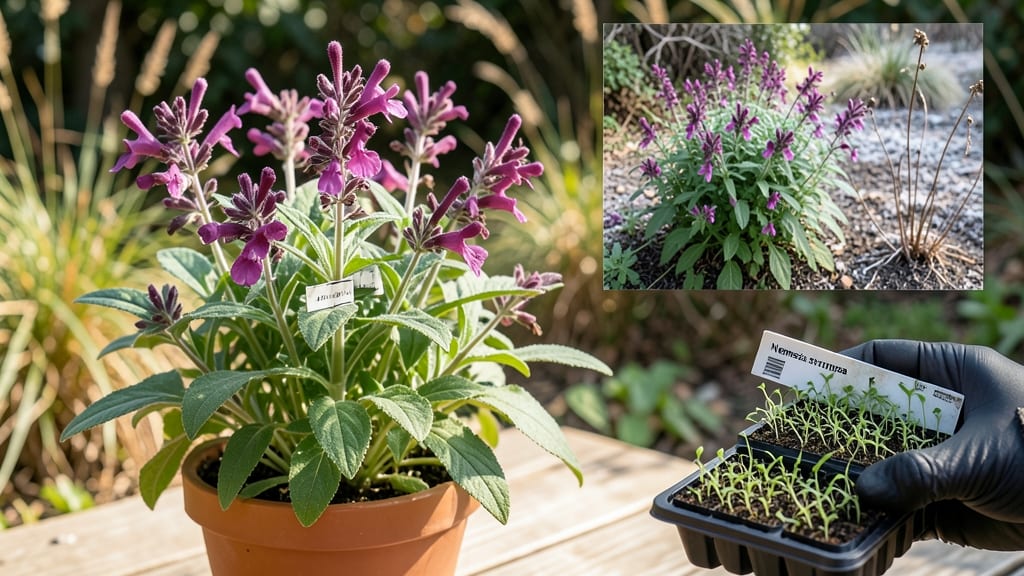
Nemesia isn't a true perennial in most regions, meaning it won't survive winter frost outdoors but can regrow naturally in warmer climates like USDA zones 9-11. Gardeners in colder areas typically treat it as an annual or bring it indoors to prolong its life.
Nemesia's behavior depends entirely on your climate zone.
In frost-free areas, its roots and seeds often persist through winter, allowing it to resprout on its own—this self-sowing habit makes it act like a perennial. 🌱 However, in colder regions where temperatures drop below 25°F, the plant's foliage and stems die back completely, though the roots may survive briefly if protected.
This explains why it's classified as an annual in most gardening guides for zones 7 and below.
The key difference lies in how nemesia handles cold exposure. While some varieties might survive light frosts, prolonged freezing will kill the plant back to the ground. That's why gardeners in cooler climates either replant seeds each spring or take cuttings indoors during winter to restart growth the following season.
💡 In This Article
- Nemesia’s Perennial Behavior by USDA Hardiness Zone
- How to Overwinter Nemesia in Cold Climates
Nemesia’s perennial behavior by USDA hardiness zone
Nemesia’s perennial status hinges on temperature thresholds and seasonal dieback patterns. In USDA zones 9-11—where winter lows rarely drop below 25°F—nemesia behaves like a true perennial.
Its fibrous root system persists through mild winters, and the plant often self-sows prolifically from seeds that survive in the soil. 🌱 The key mechanism is its ability to enter a dormant state while maintaining root viability, allowing regrowth when temperatures rise above 50°F in spring.
In contrast, zones 7 and below experience freezing temperatures that kill back nemesia’s aboveground growth completely. The plant’s stems and leaves turn brown and crispy at 20°F, but the roots may linger for weeks if insulated by mulch or snow cover.
This partial survival explains why some gardeners mistakenly assume nemesia is hardier than it truly is—what appears to be regrowth is often just new seedlings from self-sown seeds rather than the original plant.
The science behind this involves nemesia’s native habitat in South Africa, where it evolved to thrive in Mediterranean climates with hot, dry summers and cool, wet winters.
This adaptation means it can’t tolerate prolonged freezing, which disrupts cellular membranes and causes irreversible damage to its tender foliage. 💫 In frost-free zones, the plant’s natural growth cycle includes a semi-dormant period where it conserves energy while maintaining root integrity.
For gardeners in transitional zones (8-9), nemesia’s behavior falls somewhere in between. While it may survive light frosts (28°F), extended cold snaps below 25°F will still kill it back.
The plant’s ability to self-seed becomes its greatest asset in these areas, as dropped seeds often germinate the following spring without any intervention. This natural propagation strategy compensates for its lack of true winter hardiness.
Consider these key factors when assessing nemesia’s perennial potential in your area:
- Zone 9-11: Acts as a true perennial with root survival and self-sowing
- Zone 8: May survive mild winters but often dies back completely
- Zone 7 and below: Treated as an annual unless overwintered indoors
- Cold tolerance: Stems die at 20°F, roots may persist briefly at 25°F
The plant’s vibrant blooms and trailing habit make it worth the effort to extend its lifespan through strategic overwintering techniques. In colder climates, understanding these zone-specific behaviors helps gardeners make informed decisions about whether to treat nemesia as an annual or invest in preservation methods for repeat seasons. 🌿