
Pests and Diseases
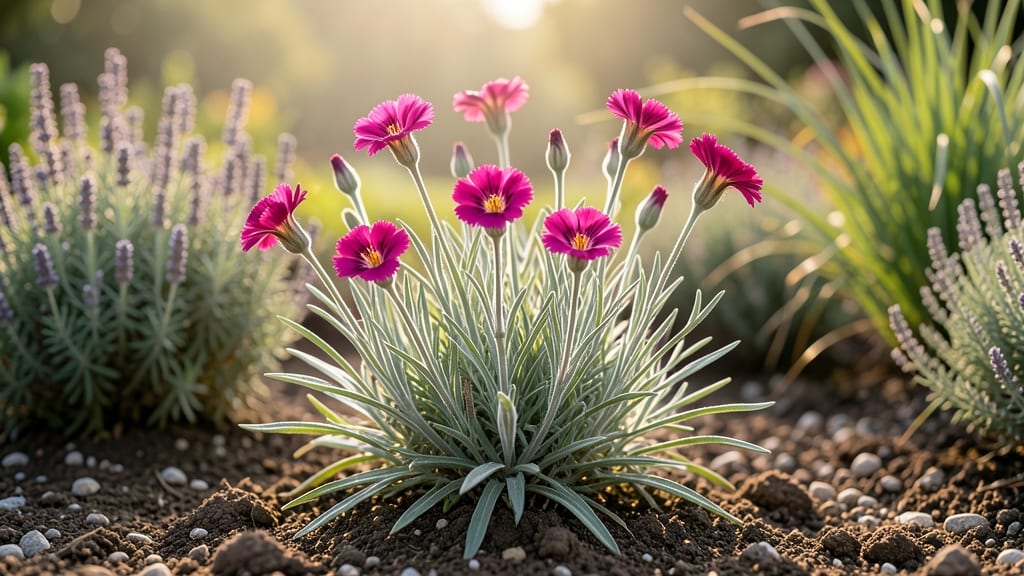
Dianthus is a perennial in most climates, thriving through multiple growing seasons but often dying back to the ground in winter. Cold-hardy varieties survive in zones 3–9, while tender types may need seasonal protection or replanting annually.
Most dianthus plants are classified as herbaceous perennials, meaning they regrow from their root systems each spring after winter dormancy. 🌱 The key difference lies in their cold tolerance—some varieties like Dianthus gratianopolitanus (commonly called "pinks") can handle freezing temperatures down to -25°F, while others, such as Dianthus barbatus (sweet williams), may need winter mulch to survive milder climates.
This dieback behavior is normal and doesn't indicate poor health, as the roots remain alive underground.
For gardeners in zones 10 and above, tender dianthus types often behave more like annuals, requiring replanting each year.
The secret to long-term success lies in proper winter care—adding a thick layer of mulch or even a frost cloth can make all the difference in protecting these delicate plants from extreme cold snaps.
💡 In This Article
- Dianthus Perennial Lifespan and Cold Hardiness Explained
- How to Extend Dianthus Perennial Growth in Different Climates
Dianthus perennial lifespan and cold hardiness explained
Dianthus plants fall into two main botanical categories: herbaceous perennials and semi-woody shrubs. The herbaceous types—like Dianthus gratianopolitanus—die back completely in winter but regrow from their root crowns each spring.
Their roots contain specialized cells that survive freezing temperatures by converting stored starches into sugars, which act as natural antifreeze. This process allows hardy varieties to tolerate -25°F conditions, making them perfect for zones 3–9 without extra protection.
The cold hardiness varies dramatically between species. For example, Dianthus barbatus (sweet williams) typically thrives in zones 4–8, while Dianthus chinensis (Chinese pinks) extends to zone 5 with proper winter care.
What's fascinating is how their growth habits differ: some varieties produce new foliage from the base each spring, while others regrow from lateral buds along their stems. This explains why some dianthus appear to "come back" more vigorously than others after winter dormancy.
The dieback behavior is completely normal and doesn't indicate plant death. Even when the above-ground stems blacken and collapse in freezing temperatures, the root system remains alive underground, storing energy for next season's growth.
Think of it like a bear hibernating—dianthus simply enters a dormant state until warmer temperatures trigger new growth. The key difference between annual and perennial dianthus is whether those roots survive multiple winters or not.
What most gardeners don't realize is that dianthus have a fascinating adaptation called "cold acclimation." When exposed to gradually decreasing temperatures in fall, their cells produce more protective proteins and antioxidants that shield their tissues from ice crystal formation.
This is why plants established for multiple years often handle winter better than newly planted ones. For tender varieties in warmer climates (zones 10+), this natural cold resistance simply doesn't develop, making them behave more like annuals.
Here's a quick comparison of common dianthus types and their cold tolerance:
- Hardiest varieties: Dianthus gratianopolitanus (zones 3–9), Dianthus deltoides (zones 4–9) – can handle -25°F with no protection
- Moderate hardiness: Dianthus barbatus (zones 4–8), Dianthus superbus (zones 5–9) – need 3-4 inches of mulch in winter
- Tender varieties: Dianthus chinensis (zones 6–10), Dianthus caryophyllus (carnation, zones 7–10) – often die back completely without winter protection
The secret to successful perennial dianthus lies in understanding these cold hardiness zones and matching varieties to your climate. For example, planting Dianthus gratianopolitanus in zone 5 will give you reliable year-after-year blooms, while trying the same in zone 10 would likely result in winter losses.
The plant's ability to regenerate from its root system is what truly defines it as a perennial—even when the stems appear dead above ground.