
Flowers
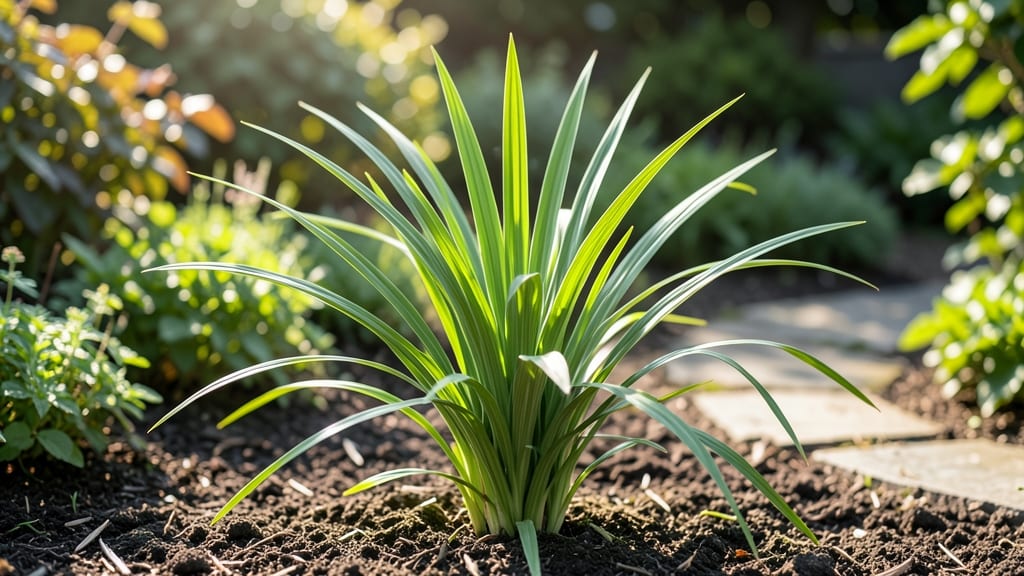
Lemongrass is a perennial in tropical and subtropical climates (USDA Zones 9-11), but it dies back to the ground in colder regions, often regrowing from roots if protected or replanted annually in cooler areas.
Lemongrass thrives as a true perennial in warm climates because its robust rhizome system stores energy underground, allowing it to rebound after seasonal dieback. 🌿 In colder zones, the plant's tropical origins make it sensitive to frost, causing above-ground stems to brown and collapse—but the roots often survive if insulated properly.
This is why many gardeners treat it as an annual in northern regions, though with the right care, you can coax it back year after year.
What sets lemongrass apart is its adaptability: while it won't survive winter outdoors in Zones 7 and below, its hardy roots can regenerate when temperatures warm again. This makes it a semi-perennial in marginal climates, where patience and protection pay off.
I've seen it bounce back spectacularly after being mulched heavily or moved to containers before the first frost.
For those in cooler areas, the key is preventing freeze damage to the roots—whether through deep mulching, container growing, or even harvesting and replanting stems indoors over winter. The plant's resilience means it's worth the effort, especially if you love its citrusy aroma and culinary uses.
💡 In This Article
- Lemongrass Growth Habits in Different Climates
- How to Overwinter Lemongrass in Cold Climates
Lemongrass growth habits in different climates
Lemongrass (Cymbopogon citratus) belongs to the grass family (Poaceae), sharing traits with other tropical grasses like bamboo and sugarcane. Its perennial nature stems from an underground rhizome system—a horizontal stem that stores nutrients and sends up new shoots.
In USDA Zones 9-11, where winter temperatures rarely drop below 20°F, these rhizomes remain active year-round, allowing the plant to regrow after seasonal dieback without replanting. The rhizomes can extend 2-3 feet deep and spread horizontally, creating a dense network that revives growth when conditions improve.
The plant's tropical origins make it frost-sensitive: temperatures below 32°F trigger dormancy, causing above-ground stems to yellow and collapse. This is why lemongrass behaves as an annual in colder climates—its energy shifts underground to preserve the rhizomes.
In Zones 8 and below, even light freezes can damage stems, but the roots often survive if protected by 6+ inches of mulch or container insulation. The key difference is that in warm zones, the rhizomes stay metabolically active, while in cooler areas, they enter a dormant state until spring.
Botanically, lemongrass's growth habit mirrors other tropical perennials like ginger or turmeric. Its leaves grow from the base of the stem, and the plant relies on its rhizome to regenerate after harvest or dieback.
Unlike true perennials in temperate climates (e.g., lavender or rosemary), lemongrass lacks cold-hardy adaptations like woody stems or deep taproots. Instead, its survival strategy is all about underground storage—a trait that works beautifully in frost-free environments but requires extra care in colder regions.
What most gardeners miss is how lemongrass's growth rate varies by climate. In warm zones, it can reach 3-5 feet tall within 6-8 months, producing new shoots continuously. In cooler zones, growth slows dramatically in winter, and stems may become woody and less tender.
The plant’s citrusy aroma—from citral and geraniol compounds—also intensifies in warmer conditions, making freshly harvested stems from tropical climates more flavorful than those forced to regrow in spring.
For those in marginal zones (like Zone 8), the plant’s ability to regrow from rhizomes means it’s not truly annual—just seasonally dormant. I’ve seen lemongrass rebound in early spring even after stems were killed by winter, proving that with the right protection, it can behave like a semi-perennial.
The challenge is balancing this resilience with the plant’s need for consistent warmth to thrive.
Consider this: In Hawaii (Zone 12), lemongrass grows year-round with minimal care, while in Georgia (Zone 8), it requires heavy mulching or container overwintering to survive. The difference isn’t just temperature—it’s about how the plant’s biology adapts to its environment.
In warm climates, the rhizomes stay active; in cooler ones, they enter a survival mode until conditions improve.