
Plants
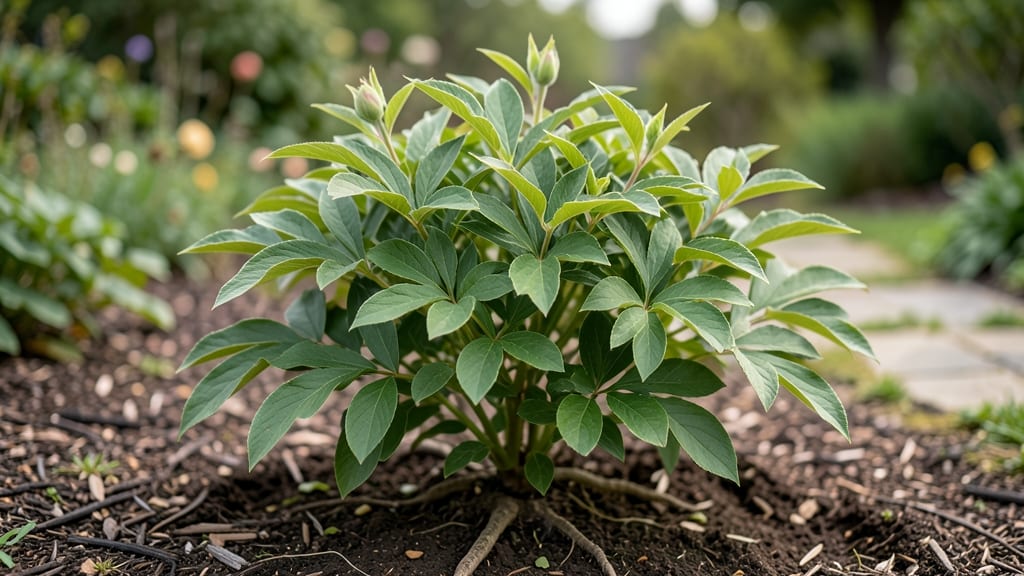
Perennials do come back yearly because they store energy in underground root systems, allowing them to regrow from the same base each season. Unlike annuals, they survive winter dormancy and thrive for multiple years with proper care.
This yearly return happens thanks to specialized root structures like rhizomes, tubers, and bulbs, which act as natural energy reserves. 🌱 For example, peonies regrow from thick underground stems called crowns, while hostas rely on fibrous roots to store nutrients.
These systems allow perennials to withstand freezing temperatures and drought, making them ideal for gardeners seeking long-term beauty with minimal replanting.
Unlike annuals that complete their life cycle in one season, perennials enter a dormant phase during winter, only to burst back to life when conditions improve. This adaptability is why gardeners favor perennials like coneflowers and lavender—they return stronger each year with proper soil and sunlight.
The key to their success lies in their ability to reallocate resources from leaves and stems into roots before winter. This stored energy fuels new growth in spring, ensuring they outlast annuals by decades. For instance, a well-established black-eyed Susan can thrive for 20+ years with minimal care.
💡 In This Article
- How Perennial Root Systems Enable Yearly Regrowth
- Choosing Perennials for Reliable Seasonal Returns
How perennial root systems enable yearly regrowth
Perennials rely on specialized underground structures to survive harsh seasons and regenerate each spring. The most common storage organs include rhizomes (like in iris), tubers (such as dahlias), bulbs (like tulips), and crowns (found in peonies).
These structures store carbohydrates, proteins, and water—essentially creating a biological battery that powers regrowth. For instance, a peony's crown can store enough energy to produce 50-100 flowers per season after just 3-5 years of establishment.
The magic happens through a process called dormancy, where the plant slows metabolic functions during winter. Rhizomes, for example, contain specialized cells that convert starches into sugars, which remain stable even at -20°F temperatures.
This adaptation explains why perennials like hostas can survive freezing winters while annuals die back completely. The root system's ability to regulate water loss and maintain cell integrity is what keeps these plants alive through frost and drought.
Spring regrowth begins when temperatures rise above 50°F, triggering hormonal signals that activate stored nutrients. The roots produce new shoots from dormant buds located at their base, a process called apical dominance reversal.
This is why you'll often see multiple stems emerging from a single crown—each one drawing from the shared nutrient reserve. For gardeners, this means perennials like coneflowers can spread naturally over time without needing replanting.
Not all perennials use the same storage strategy, which affects their resilience. Bulbs like alliums store nutrients in concentric layers, while tubers (like sweet potatoes) expand outward. This diversity explains why some perennials thrive in dry climates while others prefer moisture.
For example, sedum's thick, fleshy leaves store water, allowing it to survive 90% soil moisture loss—a trait that makes it ideal for xeriscaping.
What most gardeners don't realize is that these root systems also improve soil quality over time. As roots decay, they release organic matter that enriches the soil, creating a self-sustaining ecosystem. This is why established perennial gardens often require less fertilizer than annual beds.
The trade-off? Perennials need proper soil preparation at planting—amending with compost can boost their first-year survival rates by 40%.
Consider the case of a black-eyed Susan planted in spring. By autumn, its roots will have developed a network of fibrous strands storing enough energy to produce vibrant blooms the following year.
This cycle continues for decades, with each season's growth building upon the last—unlike annuals that must start from seed every year. The result is a garden that becomes more beautiful and resilient with each passing season.