
Plants
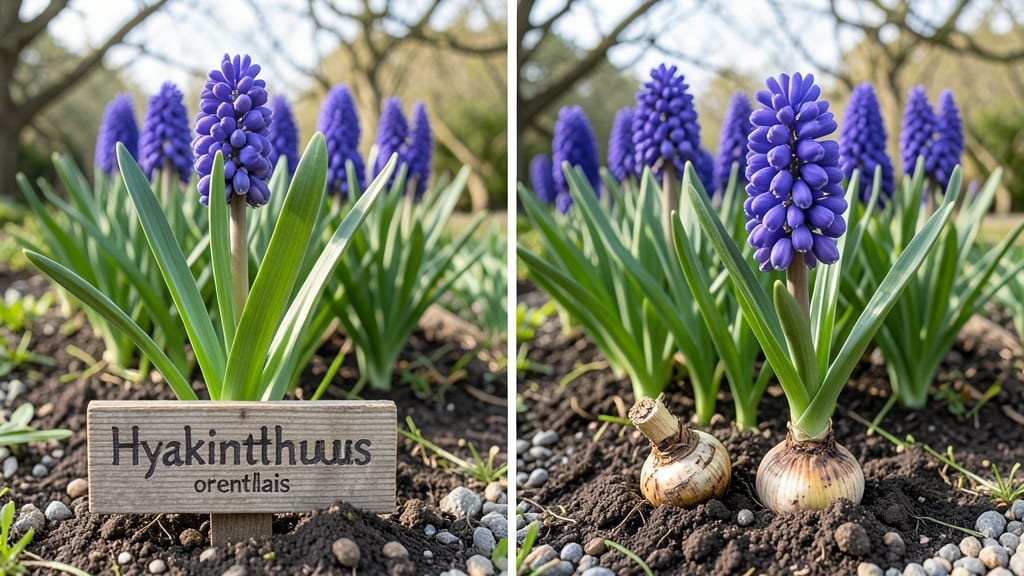
Hyacinths are perennials because their underground bulbs store nutrients year-round, allowing them to regrow foliage and blooms annually under proper conditions. With consistent care, these hardy plants can thrive for decades.
Hyacinths earn their perennial status through a clever biological strategy: their bulbs act as living batteries, storing carbohydrates and nutrients during dormancy. 🌱 Unlike annuals that complete their life cycle in one season, hyacinths enter a resting phase in summer, only to wake when temperatures drop and daylight shortens.
This underground resilience is why they reliably return each spring—given adequate sunlight, well-draining soil, and minimal disturbance during dormancy.
Their survival mechanism sets them apart from other spring bulbs like tulips, which often decline after 3-5 years. Hyacinths can persist for 10+ years when planted at the correct depth (typically 6 inches below soil) and given full sun.
The key to longevity lies in post-bloom care: leaving foliage until it yellows ensures the bulb replenishes its energy stores before winter.
💡 In This Article
- How Hyacinth Bulbs Survive Winter Underground
- Tips for Maximizing Hyacinth Bloom Longevity
How hyacinth bulbs survive winter underground
The secret to hyacinths' perennial nature lies in their specialized bulb structure, which functions like a self-contained survival system. These bulbs store carbohydrates (up to 50% of their dry weight) in specialized cells called parenchyma, creating a concentrated energy reserve.
During dormancy, the bulb's outer scales act as protective layers, preventing moisture loss while maintaining just enough metabolic activity to sustain life. This is why hyacinths can endure freezing temperatures down to 10°F—their biological processes slow dramatically, conserving energy until spring's warmth triggers regrowth.
Temperature acts as the primary trigger for hyacinth dormancy and regrowth. When soil temperatures drop below 50°F for several weeks, the bulb's apical meristem (growth center) enters a state of dormancy.
However, unlike some bulbs that require vernalization (a cold period), hyacinths primarily respond to shortening daylight hours (10-12 hours of light) combined with cooler temperatures.
This dual cue ensures they don't wake prematurely. 🌱 What sets hyacinths apart from tulips is their ability to store more starch reserves—tulip bulbs typically contain 30-40% carbohydrates, while hyacinths can reach 60% in optimal conditions, giving them greater endurance.
The bulb's layered structure plays a critical role in survival. The innermost layers contain the shoot and root meristems, while the outer fleshy scales provide insulation and moisture retention.
This design mirrors that of onions but with a key difference: hyacinth bulbs develop a protective papery tunic that prevents rot during winter. When spring arrives, the stored carbohydrates fuel rapid shoot growth, with new foliage emerging within 2-3 weeks of consistent 50°F+ soil temperatures.
This underground resilience explains why hyacinths often outlast other spring bulbs in the same garden.
Comparing hyacinths to daffodils reveals another survival advantage. While both are perennials, daffodil bulbs contain toxic alkaloids that deter pests but require more frequent division (every 3-5 years).
Hyacinth bulbs, though also toxic, are more tolerant of crowding and can go 7-10 years without division when planted in well-draining soil.
Their ability to regenerate from basal plates (the bulb's bottom layer) means even damaged bulbs can produce new shoots, a trait that contributes to their longevity in garden settings.
One fascinating aspect of hyacinth bulb biology is their response to environmental stress. When subjected to drought conditions, the bulb's vascular system redirects water from non-essential tissues to the meristematic zones, prioritizing survival. This adaptive mechanism, combined with their ability to regrow from small fragments, makes hyacinths remarkably resilient.
However, this resilience has limits—bulbs planted too shallowly (less than 4 inches deep) are more vulnerable to freezing and rodent damage, as they lack the insulation of deeper soil layers.
Understanding these biological processes helps explain why hyacinths thrive in temperate climates but struggle in tropical regions. Their dormancy requirements are met naturally in zones 3-9, where winter chill periods are sufficient.
In warmer climates, gardeners must simulate dormancy by withholding water and providing shade during summer months, mimicking the natural conditions that trigger bulb regeneration. This careful balance between energy storage and environmental cues is what makes hyacinths not just perennials, but remarkably persistent ones.