
Planting
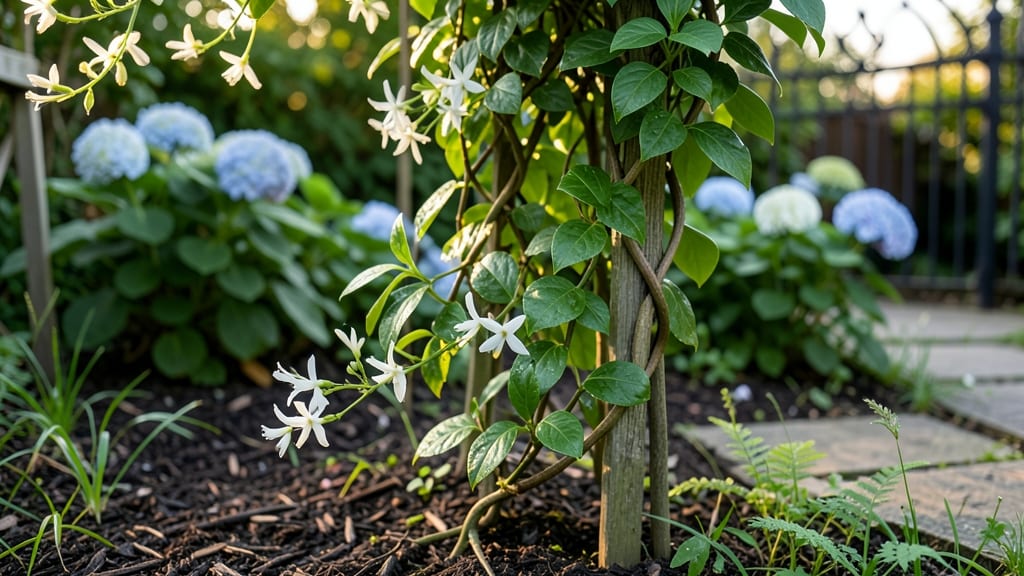
Deciding whether a jasmine plant is annual or perennial depends on your climate: in warm USDA Zones 8-11, it thrives as a hardy perennial, but in colder regions, it behaves like an annual unless you protect it through winter. Most varieties can regrow from their root systems if properly insulated.
Whether your jasmine plant lives through winters depends entirely on where you garden.
In frost-free zones, these fragrant climbers naturally return year after year, sending out fresh growth from established roots. 🌿 However, in colder climates, the above-ground stems often freeze back completely—though the roots often survive if you provide thick mulch or container insulation.
I've seen Jasminum officinale (common jasmine) bounce back spectacularly after winter even in Zone 6 with proper protection, while tropical varieties like Jasminum sambac (Arabian jasmine) typically need to be treated as annuals unless grown in containers that can be moved indoors.
For gardeners in marginal zones, the key is understanding your specific variety's cold tolerance. Some hardier types can handle brief cold snaps, while others need constant warmth. The good news? Even if your plant dies back, many jasmine types regrow vigorously from roots if you give them a chance.
Just don't prune back too aggressively in early spring—wait until you see fresh green growth before cutting anything.
💡 In This Article
- Jasmine Plant Lifespan: Perennial vs Annual Growth Cycles
- Cold-Resistant Jasmine Care: Winter Survival Tips for Frost Zones
Jasmine plant lifespan: perennial vs annual growth cycles
The distinction between annual and perennial growth in jasmine comes down to cold hardiness and species biology. Most jasmine varieties are naturally perennial in frost-free climates (USDA Zones 8-11), where they establish deep root systems that persist year-round.
The key difference lies in their dormancy mechanisms: hardy types like Jasminum officinale enter a semi-dormant state in winter, conserving energy while protecting their roots from freezing. This allows them to regrow quickly once temperatures rise—often within 2-4 weeks of last frost.
Tropical varieties like Jasminum sambac (Arabian jasmine) lack this cold tolerance. Their delicate stems can't survive below 25°F, making them behave like annuals in colder zones.
The science behind this involves their cell membrane composition: tropical jasmines have higher unsaturated fat content in their cell membranes, which makes them more fluid at warm temperatures but prone to freezing damage when exposed to cold. 🌱 In contrast, hardy jasmines have more saturated fats that remain stable at lower temperatures, allowing their roots to survive.
What most gardeners don't realize is that even "annual" jasmines can sometimes regrow from roots if protected properly. The root crown (the thickened area where stems emerge) contains dormant buds that can sprout new growth when conditions improve.
This is why I've seen Jasminum polyanthum (star jasmine) return from what appeared to be dead plants—sometimes even after 3-4 inches of snow cover during winter. The secret lies in their ability to store carbohydrates in roots during summer growth.
Temperature thresholds matter more than you might think. Most hardy jasmines can tolerate brief dips to 10°F if the ground isn't frozen, but prolonged exposure below 20°F will kill back even the toughest varieties.
This is why Zone 7 gardeners often see their jasmines die back completely—it's not the plant's fault, but rather the combination of cold air temperatures and frozen soil preventing root regeneration. The good news?
Many varieties have such vigorous root systems that they can produce 2-3 new stems from a single root crown in a good growing season.
Another fascinating aspect is how different jasmine species handle dormancy. Jasminum nudiflorum (winter jasmine) actually blooms in late winter, proving it can thrive in colder conditions. Its secret is early dormancy—it enters dormancy in late summer, allowing it to withstand winter cold while still producing flowers.
This shows how understanding a plant's natural growth cycle can help you determine whether it will behave as a perennial or need annual replanting in your climate.
For gardeners in transitional zones (like Zone 7), the solution often lies in microclimate selection. Planting jasmines near south-facing walls or against brick buildings can provide 5-10°F of additional warmth through radiant heat absorption.
I've seen Jasminum officinale thrive in Zone 6 gardens when planted against a brick foundation, while the same plant died back completely when planted in open ground just 20 feet away. The lesson? Location matters just as much as the plant's inherent hardiness.