
Flowers
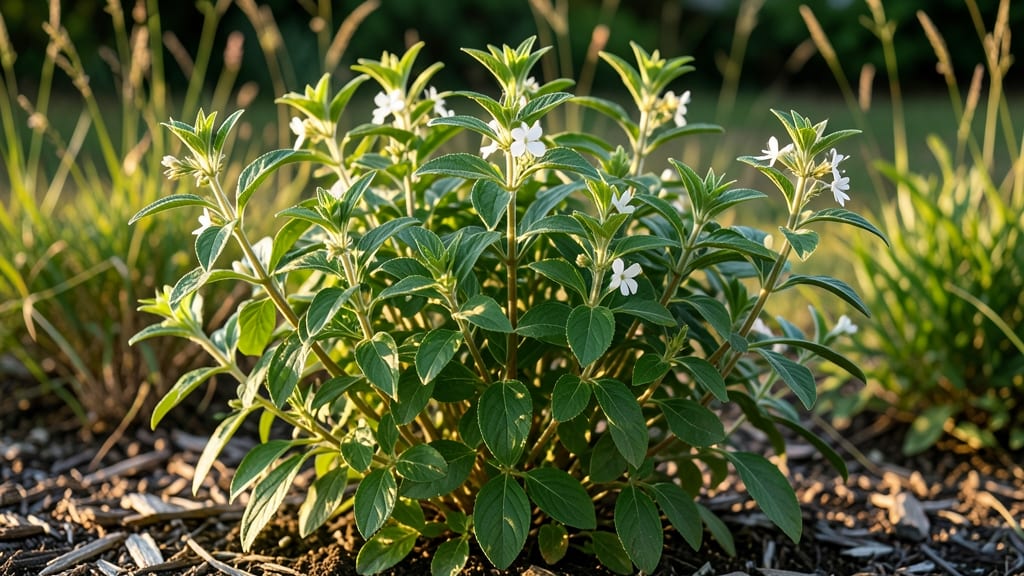
Lemon verbena grows as a perennial in warm USDA zones 9-11, but acts as an annual in colder zones (3-8) because freezing temperatures kill its tender stems. However, you can extend its life in cooler climates through cold-hardy varieties or container cultivation.
This difference comes down to the plant's tropical origins—lemon verbena thrives in consistent warmth and struggles when temperatures dip below 20°F. 🌱 In frost-free zones, it grows vigorously year-round, even producing new growth in winter.
But in colder regions, gardeners often treat it as an annual, replanting fresh cuttings each spring. The good news? Many varieties can survive mild winters with proper protection, like thick mulch or indoor overwintering.
For those in cooler climates, the key is preparation: start with cold-hardy cultivars like 'Lemon Verbena 'Aloysius,' or grow it in containers you can bring indoors before frost. This way, you get the plant's signature citrusy aroma and culinary uses without losing it to winter's chill.
💡 In This Article
- Lemon Verbena’s Perennial vs. Annual Growth in Different Climates
- How to Overwinter Lemon Verbena in Cold Zones
Lemon verbena’s perennial vs. annual growth in different climates
Lemon verbena's growth cycle hinges on its tropical origins, where it thrives in consistent warmth and humidity. In USDA zones 9-11, its roots remain hardy year-round, producing new growth even during winter months. The plant's evergreen nature in these climates means it retains its vibrant foliage and aromatic oils continuously.
This perpetual growth occurs because the plant's cellular structure—particularly its thin, tender stems—never faces freezing temperatures below 20°F, which would trigger dormancy or death.
The key difference emerges when temperatures drop below 20°F, a threshold that kills lemon verbena's tender stems and foliage. In colder zones (3-8), the plant behaves as an annual because frost damages its above-ground parts, leaving only the roots intact.
However, these roots can regenerate new growth when temperatures warm again in spring. This explains why gardeners in frost-prone areas often treat lemon verbena as an annual—it requires replanting each season to maintain a continuous harvest of leaves for culinary and aromatic uses.
What most people don't realize is how the plant's growth habits adapt to climate. In warm zones, lemon verbena grows aggressively, reaching heights of 3-5 feet with a bushy, multi-stemmed structure. The leaves, known for their intense lemon scent, remain fragrant year-round due to consistent oil production.
In contrast, in colder climates, the plant focuses its energy on root development during the growing season, storing nutrients to fuel rapid regrowth once frost passes. This survival strategy ensures the species persists even in marginal conditions.
Botanically, lemon verbena's perennial status in warm climates stems from its ability to maintain active photosynthesis and growth throughout the year.
The plant's leaves contain high concentrations of citral and geraniol—compounds that give it its signature citrus aroma—while its roots develop a robust network to anchor the plant and absorb moisture.
When temperatures drop, these compounds break down, and the plant enters a state of dormancy in colder zones, only to revive when conditions improve.
Consider this comparison: In Florida (zone 9), lemon verbena grows continuously, producing new leaves every 4-6 weeks with minimal care. In Minnesota (zone 4), the same plant would die back to the ground in winter, requiring gardeners to start fresh cuttings each spring.
The difference lies entirely in temperature exposure and the plant's physiological response to cold stress. This adaptability makes lemon verbena a fascinating study in plant resilience and climate-dependent growth patterns.
For those growing lemon verbena in transitional zones (8-9), the plant may exhibit hybrid behavior—surviving mild winters but requiring protection from hard freezes. This is where cold-hardy varieties like 'Lemon Verbena 'Aloysius' shine, as they've been bred to tolerate slightly cooler temperatures.
Understanding these growth patterns helps gardeners make informed decisions about cultivation methods and winter care strategies.