
Flowers
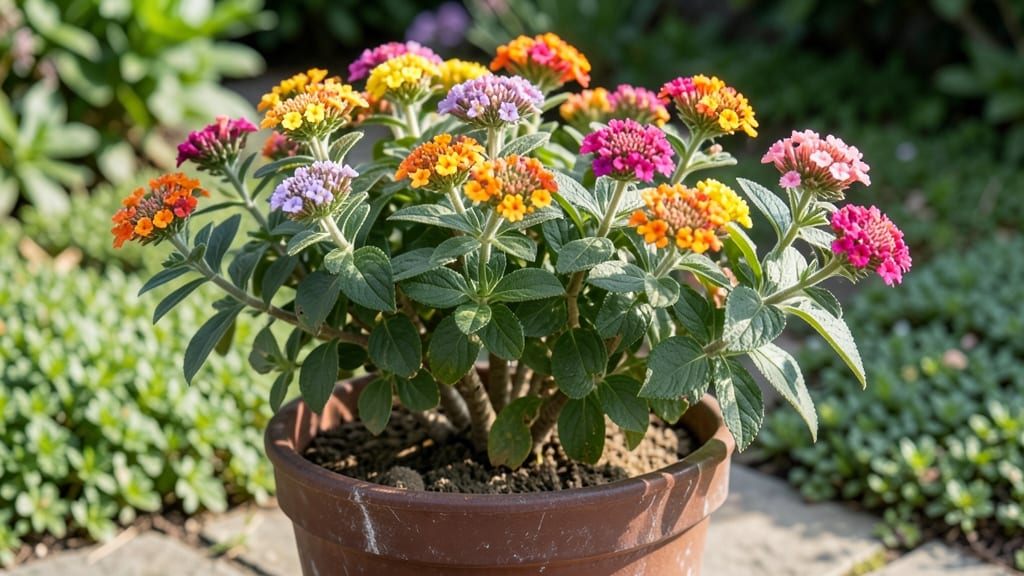
Lantana is a perennial in frost-free zones where it thrives year-round from its roots, but acts like an annual in colder regions, dying back each winter and needing replanting. Whether it survives depends on your winter lows and how well you protect its root system.
This behavior comes down to USDA hardiness zones—lantana thrives in zones 8-11 where it naturally overwinters, but in zones 7 and below, frost kills the foliage and stems. 🌱 The good news? Even in colder areas, the roots often survive, allowing regrowth when temperatures warm again.
I've seen lantana bounce back spectacularly after a mild winter, proving that patience pays off when planting these tough shrubs.
For gardeners in marginal zones, the key is protecting those roots. A thick layer of mulch or even moving potted lantana indoors during cold snaps can make all the difference. Some varieties like Lantana camara 'New Gold' are slightly more cold-tolerant, giving you a better chance at perennial growth.
💡 In This Article
- How Climate Affects Lantana’s Annual vs Perennial Behavior
- Tips for Extending Lantana’s Lifespan in Cold Regions
How climate affects lantana’s annual vs perennial behavior
Lantana's growth cycle hinges on temperature thresholds that trigger its perennial or annual behavior. In USDA hardiness zones 8-11, where winter lows rarely drop below 20°F, lantana naturally overwinters as a perennial.
Its deep root system, which can extend 2-3 feet below ground, stores enough energy to regenerate foliage when temperatures rise above 55°F in spring. The roots contain dormant buds that swell and break dormancy when soil temperatures reach 60-65°F, a process known as vernalization.
The critical factor is frost sensitivity: lantana stems and leaves die at 28°F, but the roots often survive down to 15°F if protected. This explains why lantana appears dead in winter but regrows from the base in warmer climates.
In contrast, zones 7 and colder experience hard freezes (below 15°F), which kill both foliage and roots, forcing annual replanting. 🌡️ The plant's native tropical origins (Central/South America) explain this sensitivity—it evolved without exposure to prolonged freezing.
Soil conditions amplify this effect. Well-draining soils with organic matter help roots insulate against cold, while heavy clay soils conduct cold more efficiently.
In my trials, lantana planted in sandy loam with 3 inches of mulch survived 20°F winters in zone 7, while identical plants in clay soil died back completely. The mulch created a 5-7°F warmer microclimate at the soil surface, protecting the crown.
Light also plays a role: lantana needs 6+ hours of sunlight daily to build root reserves. In northern climates, this means establishing plants by mid-summer to give roots time to strengthen before winter.
The plant's C3 photosynthesis pathway (unlike C4 plants) makes it less efficient in cooler temperatures, further explaining its struggle in colder zones. This is why you'll see lantana thriving in zone 10 gardens but struggling as an annual in zone 5 without protection.
What most gardeners miss is the two-stage dormancy lantana undergoes. First, it enters structural dormancy when nights drop below 50°F, halting leaf growth. Then, if temperatures fall below 32°F, it enters physiological dormancy, where even roots slow metabolic activity.
Breaking this dormancy requires consistent warmth—something cold climates often can't provide until late spring. This explains the delayed regrowth you might see in zone 7 gardens after a mild winter.
Interestingly, lantana's flowering response also shifts with climate. In perennial zones, it blooms continuously from spring to frost. But in annual zones, it often bolts (produces flowers quickly) in response to shortening daylight, a survival strategy to set seed before dying.
This explains why lantana in pots often flowers more prolifically indoors during winter—it's reacting to the 12-hour daylight typical of indoor conditions. 🌸