
Flowers
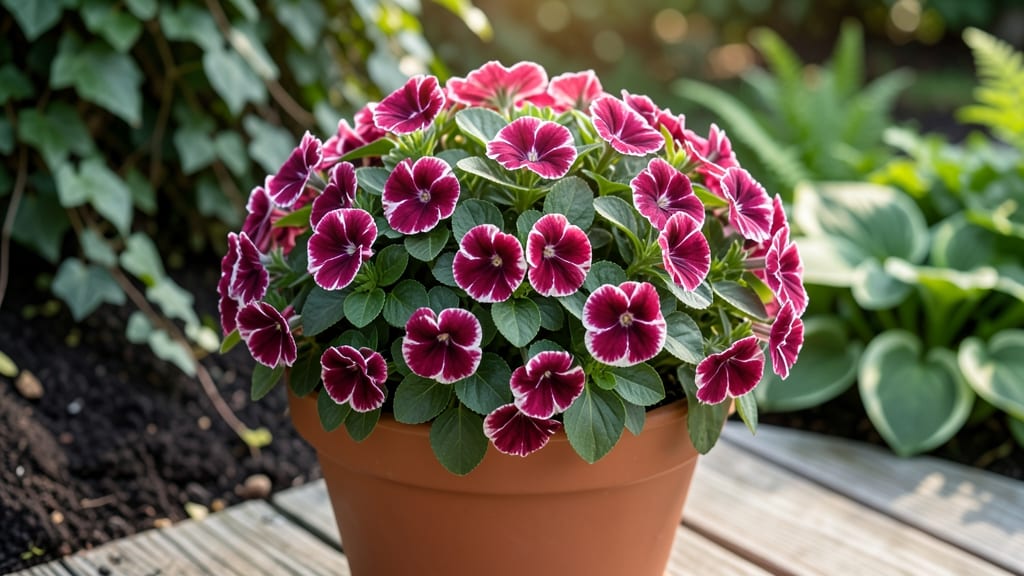
Double impatiens behave as an annual or perennial depending on your climate zone, succumbing to frost but often resprouting from self-sown seeds the following spring. In USDA zones 10-11, they establish as perennials, regrowing from their root systems each year despite winter dormancy. Their growth cycle depends entirely on cold tolerance.
Whether your double impatiens annual or perennial plants return year after year depends entirely on your climate zone. 🌱 These tender plants originate from tropical regions, so they can't survive freezing temperatures—even a light frost will kill their foliage.
However, their shallow root systems often survive underground, ready to sprout when conditions warm again. In colder zones, gardeners often treat them as annuals but may still find surprise seedlings popping up in spring from seeds dropped the previous season.
For gardeners in marginal zones (9-10), extending their season requires strategic planning. Container growing with winter protection or selecting cold-hardier cultivars can make a difference.
The key is understanding that while double impatiens won't survive winter outdoors in most areas, their adaptability through self-seeding makes them feel almost perennial in many gardens.
💡 In This Article
- Why Double Impatiens Die Back in Cold Climates
- Extending Double Impatiens Season: Overwintering and Zone Adaptations
Why double impatiens die back in cold climates
Double impatiens trace their origins to the tropical rainforests of West Africa, where temperatures rarely drop below 60°F and humidity stays consistently high. This evolutionary history explains their extreme frost sensitivity—even a light freeze (32°F) triggers cellular damage in their tender stems and leaves.
Unlike hardier annuals like marigolds or zinnias, double impatiens lack protective adaptations like thick waxy coatings or deep root systems to store energy for regrowth.
Their shallow root systems (typically just 6-12 inches deep) store minimal reserves, making them vulnerable to winter dieback.
When temperatures dip below 40°F, the plant's metabolic processes slow dramatically, and any remaining moisture in the stems freezes, causing cellular rupture. 🌡️ This is why you'll see their foliage blacken and collapse after the first frost—it's not just wilting, but actual tissue death from ice crystal formation within plant cells.
Comparing double impatiens to other shade-loving annuals reveals their unique vulnerability. Begonias, for example, can tolerate brief dips to 30°F if protected, while fuchsias may survive 28°F with proper mulching.
The difference lies in their native climates: begonias originate from South America's high-altitude regions where cooler nights are common, while double impatiens evolved in equatorial conditions where temperature stability is the norm.
What makes their annual behavior particularly interesting is their self-seeding strategy. When mature plants drop seeds in late summer, they often germinate the following spring—creating the illusion of perennial behavior even in cold climates. These seedlings emerge from seeds that survived winter's chill in the soil, not from regrowing roots.
This biological adaptation explains why gardeners frequently find "volunteer" impatiens popping up year after year, even when the parent plants died back completely.
The key difference between annual and perennial behavior comes down to root survival versus seed survival. In USDA zones 10-11, where winters rarely drop below 40°F, the root crowns remain viable through winter dormancy, allowing regrowth in spring.
In colder zones, these same roots typically succumb to freezing soil temperatures, but the seeds they produced provide the genetic continuity that keeps the plants appearing perennial in many gardens.