
Flowers
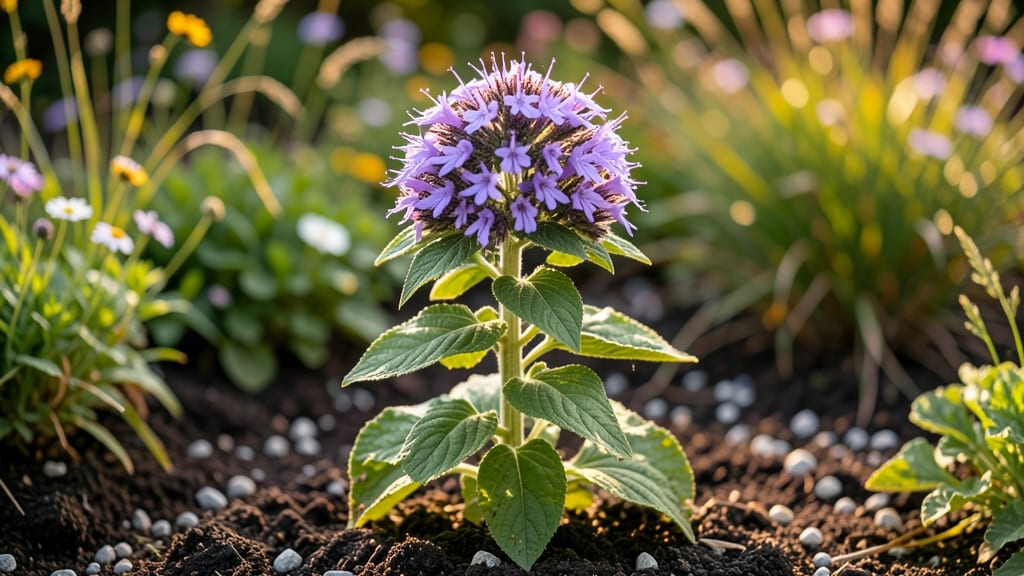
Yes, bergamot is a perennial plant that returns each year from its robust root system, though it may appear dormant or deadback during winter months before spring regrowth.
This hardy citrus-scented herb survives winter by storing energy in its underground rhizomes, which are far more resilient than annual plants. 🌱 Unlike many garden favorites that need replanting yearly, bergamot's deep roots act like a natural storage system, allowing it to push through soil and re-emerge when temperatures rise.
The key to maintaining its perennial nature lies in protecting these roots during cold snaps—proper mulching and avoiding over-trimming in late fall make all the difference.
What sets bergamot apart is how it handles dormancy differently than true perennials like lavender. While lavender might just fade to brown stems, bergamot's entire above-ground structure wilts completely, only to spring back with fresh growth from the base.
This dramatic cycle makes it perfect for gardeners who love dramatic seasonal transformations without losing their plants.
💡 In This Article
- How Bergamot’s Root System Ensures Yearly Regrowth
- Caring for Bergamot Through Its Seasonal Dieback Cycle
How bergamot’s root system ensures yearly regrowth
Bergamot's perennial nature stems from its specialized rhizomatous root system, which acts like a natural underground storage unit. Unlike annuals that rely solely on seeds, bergamot stores energy in thick, fleshy roots that can survive temperatures as low as -30°F (-34°C) when properly protected.
These roots spread horizontally just below the soil surface, creating a network that can regenerate entire plants from even small fragments.
The magic happens in late summer when bergamot begins storing carbohydrates in its roots, converting sunlight into energy reserves. This process, called photosynthesis-driven storage, is why bergamot can survive winter dormancy—its roots contain enough energy to fuel new growth when temperatures rise above 50°F (10°C) in spring.
The roots also produce growth inhibitors during winter, preventing premature sprouting that could be damaged by late frosts.
What makes bergamot's roots particularly resilient is their high starch content—up to 20% of root dry weight—which serves as winter fuel. Compare this to annual herbs like basil, which have no such storage mechanism and must be replanted each year.
The root system's ability to regenerate from even small pieces (as little as 1-inch segments) makes bergamot nearly indestructible in suitable climates.
This root system explains why bergamot often appears "dead" in winter—it's actually in cold dormancy, a survival strategy where metabolic activity slows to near-zero while essential functions continue.
The roots remain alive but inactive, ready to resume growth when conditions improve. This is different from true winter-kill perennials like peonies, which have more delicate root structures.
One fascinating adaptation is bergamot's ability to regenerate from root fragments even after severe dieback. If you accidentally cut back too much in fall, the remaining roots can still produce new shoots in spring.
This resilience is why bergamot thrives in USDA zones 3-9—its roots can endure both harsh winters and hot summers that would kill many other herbs.
The root system's depth also matters—bergamot roots typically extend 12-18 inches deep, anchoring the plant while accessing moisture from lower soil layers. This vertical growth helps bergamot survive drought periods between seasons, another advantage over shallow-rooted annuals.
For gardeners, understanding this root system means you can be more aggressive with pruning in spring without harming the plant. The roots will compensate for above-ground damage, making bergamot one of the most forgiving perennials for both beginners and experienced growers. 💚