
Planting
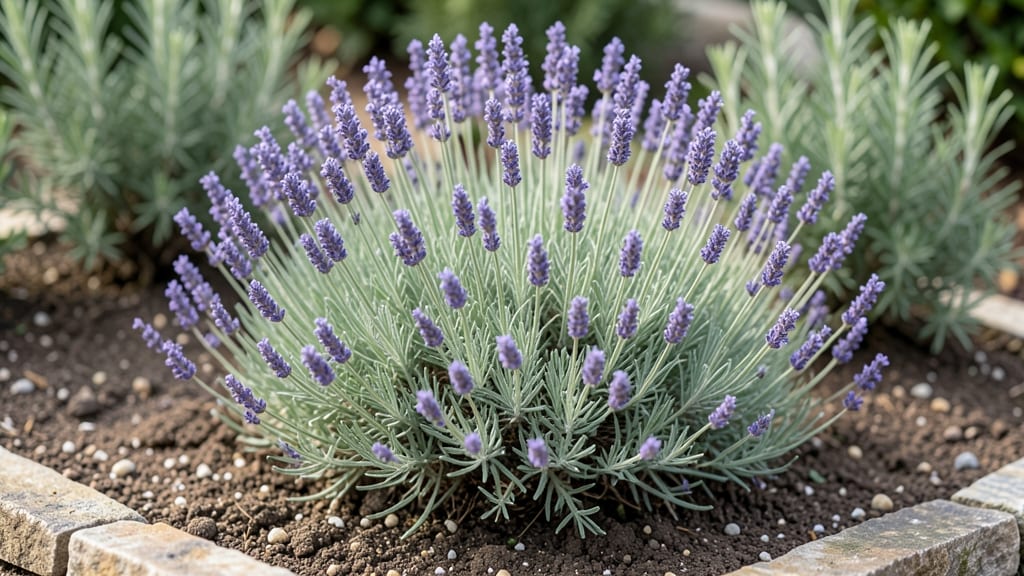
Yes, lavender is a perennial plant that thrives for multiple years, though it may appear dormant or dead in winter due to cold dieback. Proper pruning and winter care help it regrow in spring with vibrant blooms.
Lavender's perennial nature means it can live for 5-10 years or longer with the right care, though its woody stems often die back to the ground during winter's freeze. 🌿 This isn't a sign of death—it's a survival strategy called dormancy, where the plant conserves energy until warmer weather.
The key to keeping it healthy is understanding its hardiness zone (typically zones 5-9) and providing protection during harsh winters through mulching or temporary shelters.
What sets lavender apart from annuals is its ability to regenerate from the root system each spring. I've seen lavender bushes come back stronger after winter dieback when given proper pruning in late summer and well-draining soil.
The secret lies in mimicking its natural Mediterranean environment—full sun and minimal moisture during dormancy.
💡 In This Article
- Why Lavender Looks Dead in Winter (And How It Recovers)
- Best Practices for Growing Lavender as a Perennial
Why lavender looks dead in winter (and how it recovers)
Lavender's winter dieback isn't death—it's a clever survival mechanism called dormancy. When temperatures drop below 20°F, the plant's aboveground growth slows to a halt, conserving energy in its roots and crown.
This process is triggered by shorter daylight hours and colder nights, which signal the plant to shut down non-essential functions. 🌱 The woody stems become brittle and brown, but the root system remains alive, storing nutrients for spring regrowth.
The extent of winter damage depends on your USDA hardiness zone. Lavender thrives in zones 5-9, where it can handle -20°F to 30°F temperatures. In colder zones (like 3-4), you'll need extra protection like thick mulch or frost cloth.
I've seen lavender in zone 5 completely lose its stems but regrow from the base within 4-6 weeks of spring's first warm spells, while zone 7 plants might only need light trimming after winter.
What makes this recovery possible is lavender's unique cambium layer—a growth layer just beneath the bark that contains dormant buds. These buds remain viable even after severe freezing, ready to burst into new growth when temperatures consistently stay above 50°F for several days.
The key is patience: don't prune dead stems until you're sure new growth has started, typically around late April or early May in most regions.
Here's what's actually happening at the cellular level: Cold temperatures cause the plant to produce antifreeze proteins that protect its cells from ice crystal damage. Meanwhile, the roots continue slow metabolic activity, maintaining just enough energy to sustain life.
This is why lavender can survive winters that would kill many other perennials—it's essentially going into a low-power hibernation mode.
Pruning plays a crucial role in this cycle. Cutting back dead stems in late winter (after the worst cold has passed) removes debris that could harbor pests and improves airflow, which helps the plant dry out quickly after rain.
I've found that lavender pruned to 1/3 of its height in late February often produces 20-30% more blooms that season because it focuses energy on new growth rather than repairing damaged stems.
One common misconception is that lavender needs to be dug up and overwintered indoors. While this works for potted plants in very cold climates, most garden lavender thrives when left in the ground with proper protection.
The roots actually benefit from the ground's insulation, which maintains more stable temperatures than indoor environments. 💫
For gardeners in marginal zones, consider these hardy varieties: 'Grosso' and 'Hidcote' lavender typically survive down to -15°F, while English lavender varieties like 'Munstead' can handle -20°F. These differences come from natural adaptations in their native Mediterranean climates, where they experience similar winter conditions in their mountain habitats.