
Vegetables
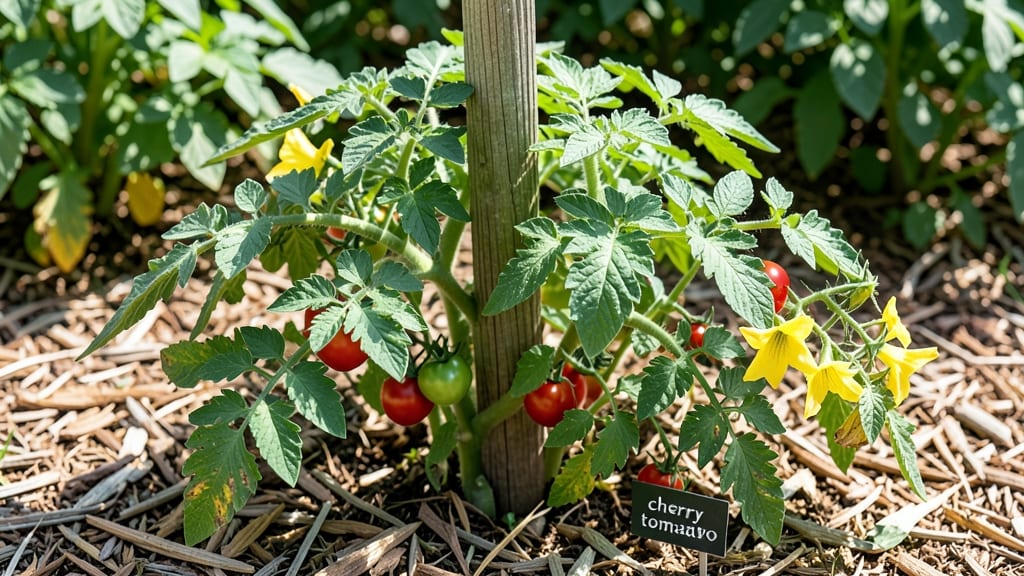
Cherry tomatoes are not perennials in most climates, but their roots can regrow in warm regions with winter protection or when replanted yearly. In colder areas, they typically die back annually but regrow from seeds or cuttings the next season.
While cherry tomatoes don't naturally survive multiple years in most gardens, their hardy root systems can bounce back under the right conditions. 🌱 In frost-free zones like USDA Hardiness Zones 9-11, plants often persist through mild winters with minimal care, producing new growth when temperatures rise.
Even in cooler climates, gardeners can coax regrowth by protecting roots with thick mulch or overwintering containers in sheltered spots.
This regrowth ability explains why many gardeners treat cherry tomatoes like perennials in practice—even when they're technically annuals. The key difference lies in temperature tolerance: while the plant itself won't survive freezing, its roots can remain dormant and viable for months, ready to sprout new shoots when conditions improve.
This makes them one of the most resilient garden vegetables for patient growers.
💡 In This Article
- How Cherry Tomato Plants Survive Winter in Different Climates
- Year-Round Cherry Tomato Gardening Strategies
How cherry tomato plants survive winter in different climates
The botanical reason cherry tomatoes act like perennials in warm climates comes down to their root hardiness and temperature tolerance. In frost-free zones (USDA Zones 9-11), the plant's root systems can remain dormant through winter months when daytime temperatures stay above 40°F.
These roots contain meristematic cells that stay viable, allowing new shoots to emerge when soil temperatures rise above 55°F in spring.
What sets cherry tomatoes apart is their shallow but extensive root network, which spreads horizontally rather than growing deep. This makes them more resilient to temperature fluctuations near the soil surface. In contrast, true perennials like asparagus develop thick, insulated root crowns that survive -20°F winters.
Cherry tomato roots typically tolerate down to 25°F for short periods but will die back completely when exposed to prolonged freezing or 15°F temperatures.
The plant's growth habit also plays a role. Cherry tomatoes are indeterminate growers, meaning they continue producing new shoots from the base throughout the season. When winter arrives, these basal shoots can remain protected by mulch or soil, creating a "bank" of potential regrowth points.
This is why you'll often see gardeners report "volunteer" cherry tomato plants appearing the following spring from roots that survived winter.
In colder climates, the difference comes from frost sensitivity in the foliage and stems. While roots may survive, the above-ground growth dies completely when exposed to 32°F for more than a few hours.
This is why gardeners in Zones 5-8 typically treat them as annuals—they replant from seeds or cuttings each spring rather than relying on root regrowth. The plant's inability to regenerate foliage from dormant roots in freezing conditions creates this annual vs. perennial distinction.
Consider this comparison: In Hawaii (Zone 11), cherry tomato plants may continue growing year-round with minimal care, while in Minnesota (Zone 4), the same plant would require complete replanting each season. The root system's ability to persist depends entirely on maintaining soil temperatures above 35°F continuously.
This threshold explains why even in mild winters, gardeners often need to provide additional protection like row covers or cold frames to encourage regrowth.
What most people don't realize is that cherry tomato roots contain reserve carbohydrates that fuel regrowth when conditions improve. These stored nutrients allow the plant to produce new leaves and stems without needing to establish a full root system from scratch.
This biological adaptation explains why you can sometimes see cherry tomato plants "pop up" unexpectedly in spring gardens—even when you didn't intentionally plant them.