
Orchid Care
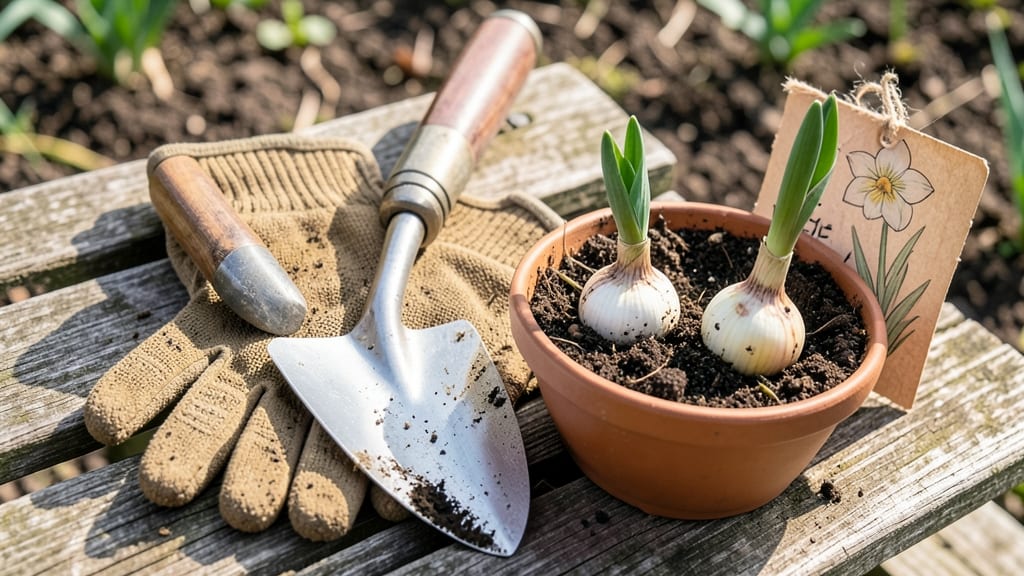
Bulbs are not annual plants—they are perennial, regrowing each season from underground storage structures, though some like tulips often need replanting every few years due to their shorter natural cycles. With proper care, most bulbs return stronger annually.
This perennial nature comes from how bulbs store energy in layered scales or protective tunics underground. Think of them like nature's built-in batteries—once established, they wake up each spring from the same root system. 🌱 The exceptions?
Some wildflowers mimic bulbs but behave as annuals, blooming once before dying. Even "perennial" bulbs can weaken over time, which is why gardeners often divide clumps every 3-5 years to refresh growth.
What makes bulbs special is their ability to store nutrients between seasons, unlike annuals that complete their entire lifecycle in one year. This storage system lets them push up new shoots year after year, provided they get consistent moisture and well-draining soil.
The key to maximizing their lifespan? Regular division and seasonal care—like mulching in fall to protect roots through winter.
💡 In This Article
- Botanical Lifespan: Why Most Garden Bulbs Are Perennial
- Perennial Bulb Care: When and How to Extend Their Lifespan
Botanical lifespan: why most garden bulbs are perennial
The perennial nature of bulbs comes down to their unique underground structure, which acts as a self-sustaining energy reserve. Most garden bulbs fall into two categories: tunicated (like onions and lilies) with papery outer layers, and scaly (like tulips and daffodils) with overlapping fleshy scales.
These structures store carbohydrates, proteins, and water—essentially functioning like nature's hard drive, ready to reboot growth each spring. 🌱 The tunic provides protection against rot, while the scales hold nutrients that fuel new shoots year after year.
What sets bulbs apart from annuals is their ability to regenerate from the same root system. For example, a daffodil bulb planted in fall can produce flowers for 10-15 years with proper care, whereas an annual like a marigold completes its entire lifecycle in one season.
The bulb's basal plate (the bottom layer) acts as a growth center, continuously producing new leaves and flowers. This biological mechanism explains why gardeners often see the same clumps of daffodils or alliums returning stronger each spring.
However, not all bulb-like plants follow this rule. Some wildflowers, like the rain lily (Zephyranthes), mimic bulb structures but behave as annuals, blooming once before dying back. Even true perennials can weaken over time—tulips, for instance, often decline after 3-5 years in the same spot due to depleted nutrients.
The key difference lies in their storage capacity: true perennials like crocuses have robust underground systems that regenerate, while weaker mimics exhaust their reserves quickly.
Seasonal changes trigger this perennial cycle. In winter, bulbs enter dormancy, conserving energy. As temperatures rise in spring, stored nutrients activate growth hormones that push shoots upward. This process repeats annually, provided the bulb remains undisturbed and healthy.
The depth at which bulbs are planted also matters—most need 6-8 inches of soil coverage to protect their storage structures from temperature fluctuations and pests.
Consider the garlic bulb as a prime example: each clove is a miniature bulb that can regrow independently. When planted, these cloves develop into full bulbs over a growing season, then produce new cloves for the next year.
This self-perpetuating cycle is what makes bulbs such reliable garden workhorses. Even after harvest, many bulbs (like shallots) can be replanted to continue the cycle, demonstrating their true perennial nature.