I’ve been obsessed with plants since I was a kid, sneaking seeds from my mom’s garden to grow in old tin cans by the back porch. There’s something about watching something small turn into something alive that never gets old. This site is where I share the lessons I’ve learned—from the triumphs (that first tomato!) to the disasters (the time the squash vines took over the whole yard). I aim to make gardening approachable, whether you’re a beginner with a windowsill or a veteran with a full plot.
💥 Quick Answer Softened water on plants can harm their growth by stripping away essential minerals like calcium and magnesium, which weakens roots and causes nutrient deficiencies. For healthier plants, use rainwater…
Russian sage's silvery-blue spikes transform my dry garden into a pollinator magnet. 🌿 This cold-hardy perennial thrives where others fail, with fragrant foliage that repels deer and attracts bees. The secret lies in…
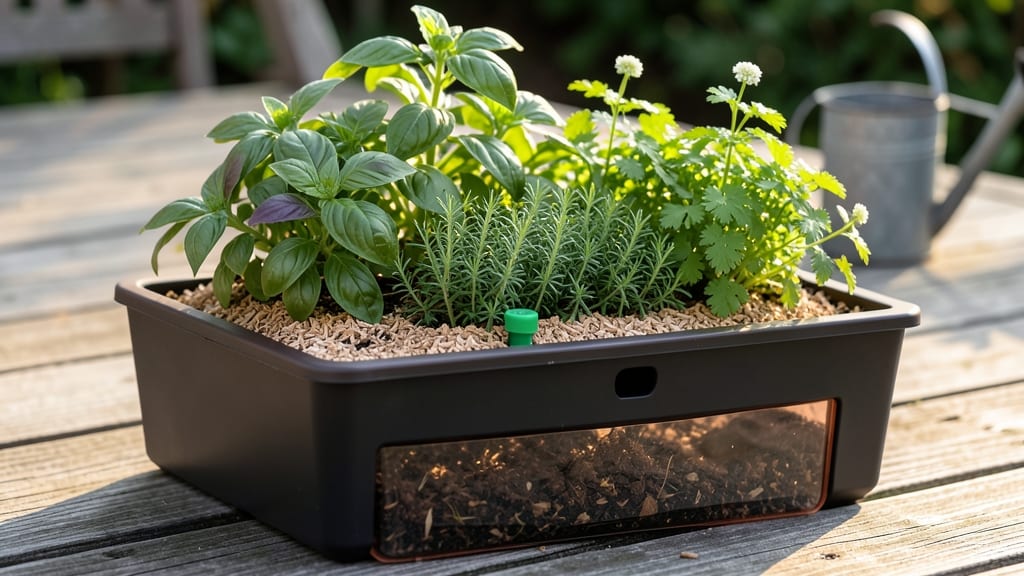
💥 Quick Answer Self watering planters are worth it for busy gardeners because they reduce watering frequency by up to 70%, prevent overwatering, and maintain consistent moisture—though upfront costs are higher than…
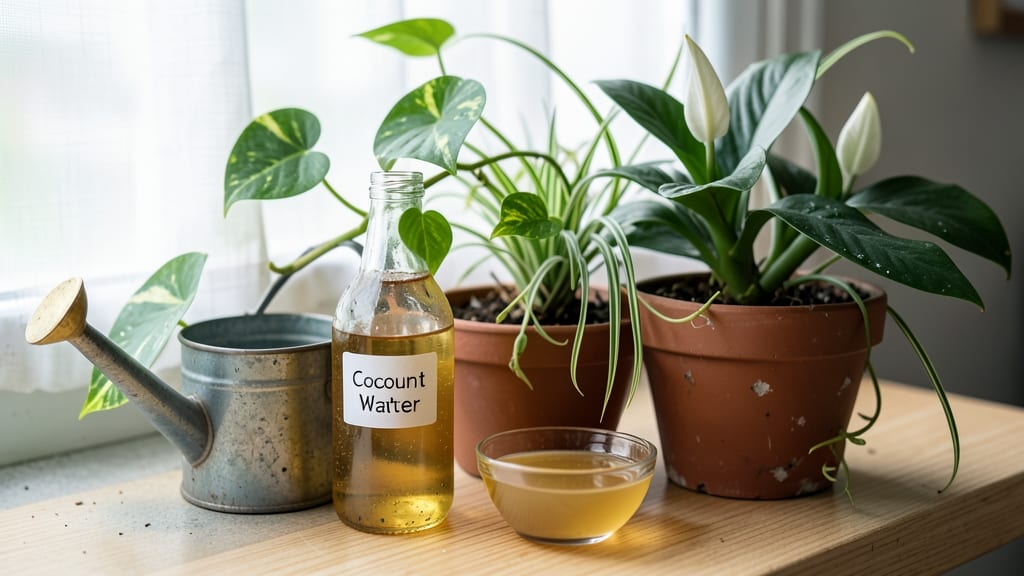
💥 Quick Answer Coconut water for plants acts as a natural fertilizer rich in potassium, magnesium, and cytokinins that stimulate root development, flowering, and overall plant vitality, but must be diluted and used…
💥 Quick Answer Carbonated water for plants can disrupt soil chemistry by releasing excess carbon dioxide, which lowers pH and reduces oxygen availability, potentially stunting root growth and microbial activity. Stick…
💥 Quick Answer To determine how do you know how much water to give a plant , check soil moisture by inserting your finger 1-2 inches deep—if the soil feels dry, water until it drains freely from the bottom. If it's…
💥 Quick Answer The best time to water plants in Florida is early morning between 4 AM and 8 AM, allowing moisture to absorb into roots before heat and humidity accelerate evaporation and fungal growth. Avoid evening…
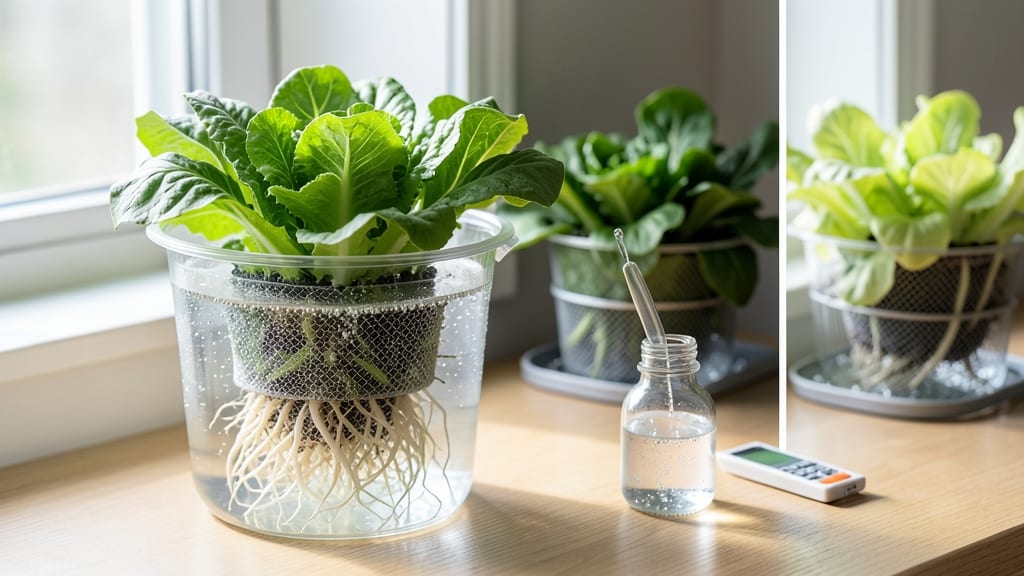
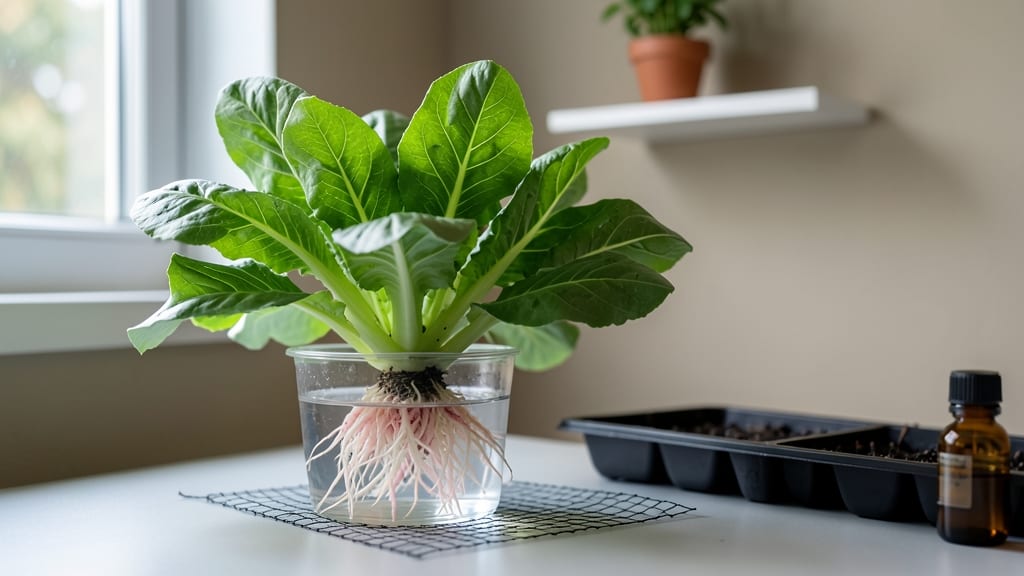
💥 Quick Answer When you grow plants in water instead of soil, it's called hydroponics—a method where roots thrive in nutrient-rich water solutions, delivering faster growth and higher yields without traditional soil…
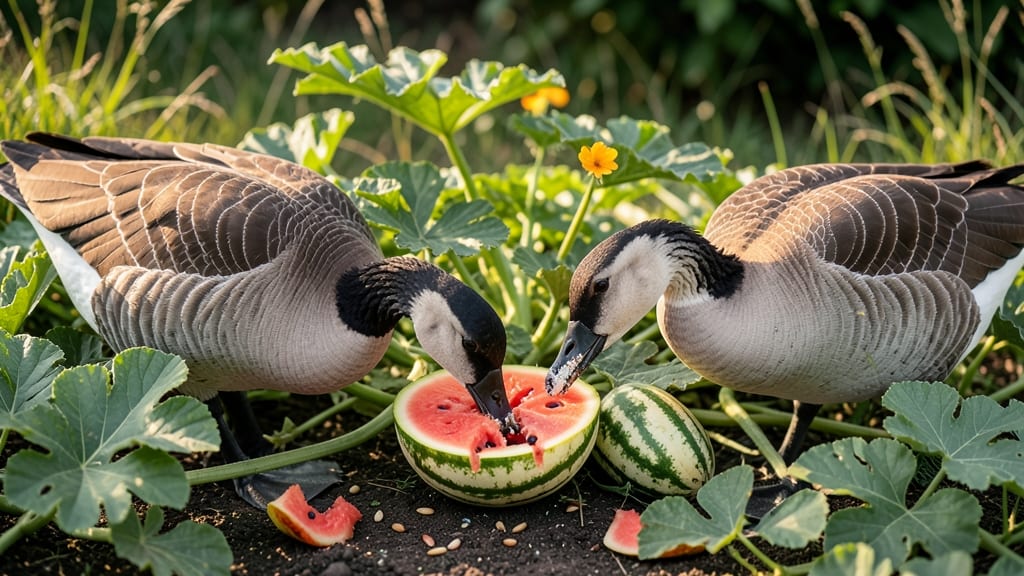
💥 Quick Answer Yes, geese can eat watermelon safely in moderation, as it provides hydration and vitamins A and C, though the rind should be removed to avoid digestive issues. Feed small, seedless pieces as occasional…
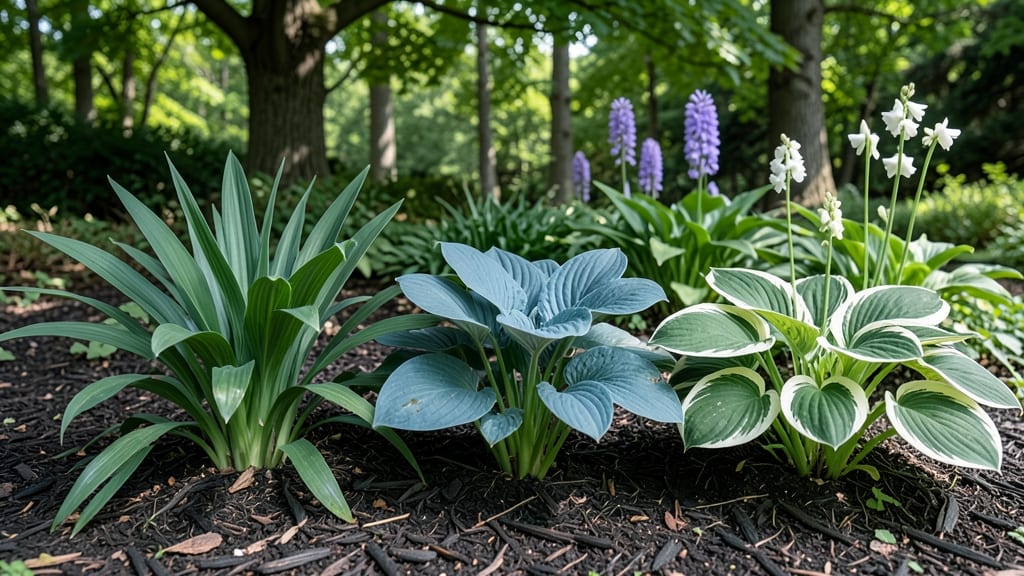
Hostas are the unsung heroes of shade gardens —those lush, leafy perennial plants that turn dull corners into vibrant green oases year after year. 🌿 I’ve grown them for over a decade, and they’ve never let me down, even…