
Advice
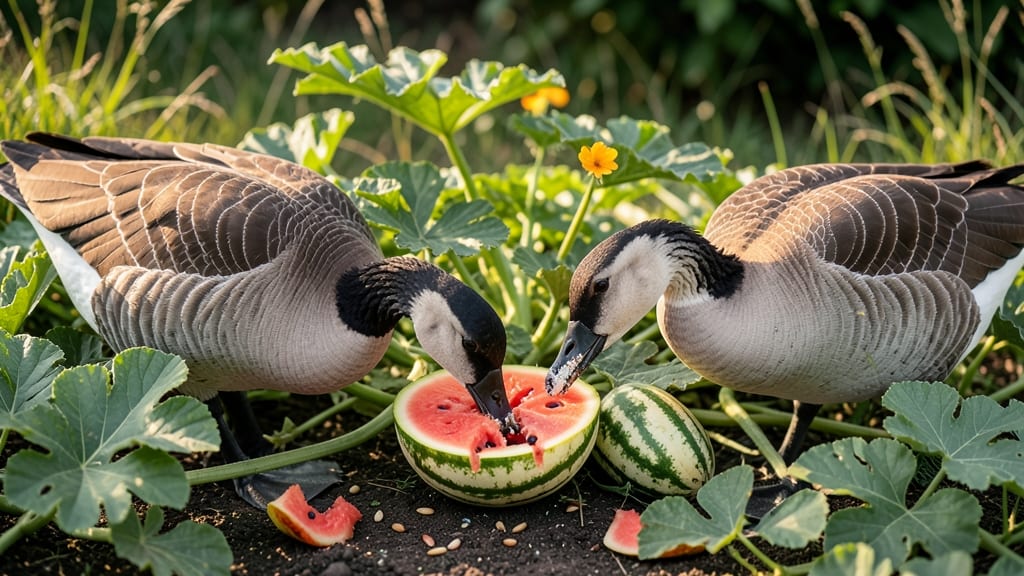
Yes, geese can eat watermelon safely in moderation, as it provides hydration and vitamins A and C, though the rind should be removed to avoid digestive issues. Feed small, seedless pieces as occasional treats, not a staple diet.
Watermelon isn't just a refreshing snack for geese—it's a hydrating powerhouse packed with nutrients like vitamin C and electrolytes, especially useful during hot weather. 💧 The key is moderation: while watermelon offers health benefits, its natural sugars and high water content mean it should never replace a balanced diet of grains, greens, or protein sources.
I always recommend removing the rind and seeds completely, as these can cause digestive blockages or discomfort. For a treat, cut watermelon into small, bite-sized cubes and limit portions to about 10-15% of their daily diet.
What's interesting is how geese react to watermelon compared to other fruits. Unlike apples or berries, watermelon's high moisture content makes it a great way to keep geese hydrated, particularly in summer months. However, overfeeding can lead to loose stools or even obesity over time.
Always introduce new foods gradually and monitor your geese for any signs of digestive upset, such as lethargy or changes in droppings.
💡 In This Article
- Nutritional Value of Watermelon for Geese
- Safe Watermelon Feeding Guidelines for Geese
Nutritional value of watermelon for geese
Watermelon offers geese a nutrient-dense treat, particularly in vitamin A (1,240 IU per cup) and vitamin C (21 mg per cup), which support immune function and feather health.
The high water content—about 92% of its weight—also makes it an excellent hydration source, especially during hot weather when geese may drink less. 💧 This aligns with their natural diet, which includes aquatic plants and fruits in the wild, though watermelon's sugar content (around 6-8 grams per 100 grams) means it should never exceed 10% of their daily intake.
The flesh's soft texture and mild sweetness make it appealing, but the rind contains cucurbitacin, a compound that can irritate a goose's digestive tract. Meanwhile, seeds pose a choking hazard or intestinal blockage risk if ingested in large quantities.
Even small amounts of seeds can cause discomfort, so always opt for seedless varieties when feeding watermelon. 🌱 What's fascinating is how watermelon's electrolyte profile (potassium, magnesium) mirrors what geese lose through heat stress, making it a smart summer snack.
Compared to a goose's staple diet—which typically includes 60-70% grains, 20-30% greens, and 5-10% protein—watermelon lacks essential amino acids and fiber. While it's a hydrating supplement, it shouldn't replace balanced feed.
For example, a 3-pound goose might safely consume 1/4 cup of watermelon per day, but this should be paired with leafy greens or corn for complete nutrition.
One often-overlooked benefit is watermelon's lycopene content, an antioxidant that may reduce inflammation. However, geese metabolize lycopene differently than humans, so the primary advantage remains hydration and vitamin support.
The key is balance: watermelon as a treat, not a dietary cornerstone. 💡 For instance, feeding watermelon daily could lead to sugar imbalances, similar to how overfeeding fruit to dogs causes obesity.
Seasonal variations also matter. In summer, watermelon's hydrating properties are ideal, but in cooler months, its high moisture content might not be as beneficial. Always adjust portions based on temperature—geese in 80°F+ weather may need slightly more watermelon for hydration, while those in 50°F conditions should stick to smaller amounts.
For context, a 1-cup serving of watermelon provides roughly 46 calories**, mostly from natural sugars. While this seems minimal, frequent overfeeding can lead to weight gain, especially in domestic geese bred for larger sizes. Wild geese, with higher activity levels, can handle occasional treats better but still need moderation. 🦢