
Plants
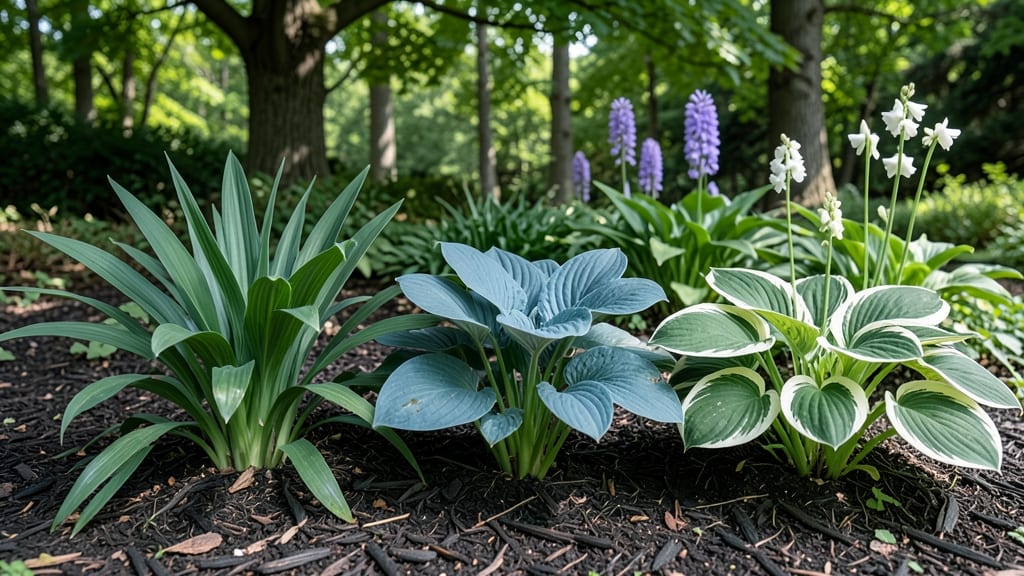
Hostas are the unsung heroes of shade gardens—those lush, leafy perennial plants that turn dull corners into vibrant green oases year after year. 🌿 I’ve grown them for over a decade, and they’ve never let me down, even in spots where nothing else survives.
The secret lies in their adaptability: they tolerate shade, thrive in moist soil, and come in sizes and colors to fit any garden.
You’ll need a spot with partial to full shade, well-draining soil (even if it’s heavy clay), and consistent moisture—though they’re tough enough to handle drought once established. Varieties range from tiny ‘Blue Mouse’ to giant ‘Guacamole’, so you can mix textures and hues for dramatic effect.
Plant them in spring or fall, keeping the crowns just below soil level for winter protection.
Once settled, hostas reward you with low-maintenance beauty: minimal pruning (just remove yellow leaves in early spring), occasional division every 3-4 years, and the occasional snack from deer or slugs (which you can deter with beer traps or diatomaceous earth).
Their foliage stays stunning through summer, and many varieties even produce fragrant lavender blooms in midsummer.
They’re perfect for borders, containers, or as a living mulch under trees. My favorite trick? Pairing them with ferns and astilbes for a shade garden that feels like a lush forest floor. Ready to transform your shady spots into a leafy paradise?
📚 In This Guide
- What you need
- Instructions
- Tips and common mistakes
- Wrapping up and next steps
What you need
- ● Hosta plants: Choose 3–5 mature hostas (or more for larger gardens), varying sizes (e.g., 1–2 gallon pots or bare-root plants). Opt for disease-resistant varieties like Hosta 'Blue Angel' or Hosta 'Halcyon'.
- ● Well-draining soil: 5–10 bags (2–3 cubic feet each) of peat moss or compost to amend heavy clay soil. Mix with native soil for ideal moisture retention.
- ● Organic mulch: 2–3 bags (2–3 cubic feet) of shredded bark or wood chips to suppress weeds and retain moisture.
- ● Slow-release fertilizer: 1–2 bags of balanced 10-10-10 or organic options (like fish emulsion) for nutrient-rich soil.
- ● Watering can or hose: A gallon-sized can or soaker hose (25–50 ft) for deep, consistent watering.
- ● Garden trowel or spade (for planting)
- ● Gloves (to protect hands from soil and sharp edges)
- ● Pruners (for trimming dead leaves or dividing plants)
- ● Measuring tape (to space plants 12–36 inches apart, depending on variety)
- ● Decorative rocks or pebbles (for a polished look around hostas)
- ● Slow-release fertilizer spikes (for minimal maintenance)
- ● Plant labels (to track varieties and care notes)
- ● Shade cloth (if your area gets occasional sun exposure)
Step-by-step guide for planting and maintaining hostas
Hostas are the perfect shade garden workhorses—easy to grow, stunning year after year, and happy in spots where nothing else thrives.
🌱 Step 1: Choose the Perfect Planting Spot
Hostas thrive in partial to full shade, with 4-6 hours of dappled sunlight ideal for most varieties. Look for areas where sunlight filters through trees or where buildings cast afternoon shade. Avoid deep, dense shade where leaves stay dark and growth slows dramatically.
Test your spot by observing how sunlight moves across it throughout the day. The best locations receive morning sun with afternoon shade—this prevents leaf scorch while still encouraging lush growth. If your yard only offers full shade, opt for varieties like 'Blue Angel' or 'Francee' that tolerate lower light better than others.
🪴 Step 2: Prepare the Soil for Healthy Growth
Hostas prefer rich, moist, well-draining soil with a pH between 6.5 and 7.5. Amend your garden soil with 2-3 inches of compost mixed into the top 12 inches of soil. This improves drainage while retaining moisture—critical for hostas that hate soggy roots but also dry out quickly.
Work in a handful of balanced fertilizer (10-10-10) at planting time to give your hostas a nutrient boost. If your soil is heavy clay, add pearlite or coarse sand to improve aeration. You'll know your soil is ready when it crumbles easily between your fingers without sticking together in clumps.
☀️ Step 3: Plant Hostas at the Right Depth and Spacing
Dig a hole twice as wide as the hosta's root ball but no deeper. Gently remove the plant from its container and loosen any circling roots with your fingers. Place it in the hole so the top of the root ball sits just below soil level—hostas hate having their crowns buried too deep, which causes rot.
Space hostas 18-36 inches apart, depending on mature size. Smaller varieties like 'Pandora' can go in at 18 inches, while large types like 'Guacamole' need 36 inches to prevent overcrowding. Backfill with soil, firming gently around the roots to eliminate air pockets. Water deeply right after planting to settle the soil.
💧 Step 4: Water and Mulch for Long-Term Success
Keep the soil consistently moist for the first 2-3 weeks after planting. Water deeply 2-3 times per week, aiming for 1 inch of water per week. You'll know you're watering correctly when the soil feels damp 2 inches below the surface—hostas wilt quickly when thirsty but also struggle in soggy conditions.
Apply a 3-inch layer of mulch around each plant, keeping it 2 inches away from the crown to prevent rot. Use shredded bark or pine needles—these break down slowly while suppressing weeds. Replenish mulch annually in early spring to maintain moisture and protect roots from temperature swings.
✂️ Step 5: Maintain Through Seasons for Peak Performance
Fertilize hostas twice a year: once in early spring with a balanced fertilizer and again in mid-summer with a low-nitrogen, high-phosphorus formula to encourage strong roots. You'll see healthy growth when leaves emerge vibrant green and new shoots appear within 2-3 weeks of spring feeding.
Divide hostas every 3-5 years in early spring or fall when they become overcrowded. Look for plants with multiple shoots growing from the center—they're ready to split. After dividing, replant immediately and water deeply. Hostas handle division well, often rebounding with even more vigor in their new homes.
Tips & tricks for perfect hosta planting and care
These simple strategies will help your hostas grow into lush, thriving plants that bring beauty to your shade garden year after year.
Lighting Insight: When selecting your planting spot, pay attention to how sunlight shifts throughout the day. The ideal 4-6 hours of dappled sunlight should arrive in the morning when temperatures are cooler. Hostas can handle afternoon shade, but direct afternoon sun often causes leaf scorch. I always scout my yard in late afternoon to identify these perfect spots—this small step makes all the difference in leaf health and color intensity.
Soil Prep Secret: The 2-3 inches of compost mixed into the top 12 inches of soil is non-negotiable for hostas. I like to add a handful of worm castings to this mix for extra nutrients. This soil preparation creates the perfect balance—well-draining enough to prevent root rot but moisture-retaining enough to keep roots happy. Test your soil's readiness by squeezing a handful—it should crumble easily without sticking together like wet clay.
Planting Depth Caution: Getting the planting depth right is crucial—hostas absolutely hate having their crowns buried too deep. The top of the root ball should sit just below soil level, never more than an inch down. I use a small stake to mark the depth before planting, then double-check after backfilling. This simple precaution prevents crown rot, which can kill your plant before it even establishes.
Mulching Technique: That 3-inch layer of mulch around your hostas isn't just for looks—it's a game-changer for moisture retention and weed suppression. I always keep it 2 inches away from the crown to prevent rot. For extra protection in winter, I add an extra inch of mulch in late fall. The key is to replenish it annually in early spring before new growth appears—this maintains consistent moisture levels throughout the growing season.
Pro Tips for Hosta Perennial Plants
- These simple strategies will help your hostas grow into lush, thriving plants that bring beauty to your shade garden ...
- Lighting Insight: When selecting your planting spot, pay attention to how sunlight shifts throughout the day. The ide...
- Soil Prep Secret: The 2-3 inches of compost mixed into the top 12 inches of soil is non-negotiable for hostas. I like...
Frequently asked questions
Got questions about growing and caring for hosta perennial plants? You’re not alone! Here are some of the most common queries—and their easy answers—to help you keep your shade garden thriving.
How do I know if my hosta is getting enough sunlight?
Hostas thrive in partial to full shade, but they’re flexible! If leaves turn pale or stretch (etiolation), they need more shade. Yellowing or crispy edges? Too much sun. Aim for 3–6 hours of indirect light daily—morning sun is gentler than harsh afternoon rays.
When is the best time to plant hostas?
Spring or fall are ideal! Plant in spring after the last frost (so roots establish before summer heat) or in early fall (6–8 weeks before frost) for a head start. Avoid extreme heat or cold—hostas hate stress!
Why are slugs and snails eating my hostas?
Hostas are a slug buffet—their tender leaves are irresistible! Use copper barriers, diatomaceous earth, or organic baits like iron phosphate. Handpick pests at night (they’re most active then) or attract predators like birds with nearby water sources.
Can hostas survive winter in cold climates?
Hostas are hardy perennials (USDA zones 3–9). In harsh winters, mulch with 3–4 inches of straw or shredded leaves to insulate roots. Evergreen varieties (like ‘Patriot’ or ‘Francee’) hold up better than floppy types in snow.
What’s a good hosta alternative if I need more height?
If hostas feel too low-growing, try heuchera (coral bells) or astilbe for bold foliage and height (1–3 feet). For texture, ferns (e.g., maidenhair or ostrich) or carex sedges add vertical interest while loving shade too!
Wrapping up and next steps
Hostas are the ultimate shade garden superstars—low-maintenance, stunning foliage, and reliable year after year! Whether you’re a beginner or a seasoned gardener, these perennials bring texture, color, and life to even the darkest corners of your yard. 🌿✨
Ready to transform your space? Start by selecting the perfect varieties for your climate, then dive into planting and care with confidence. Grab your gloves, pick a hosta (or ten!), and get growing—your future shady oasis awaits!