
Plants
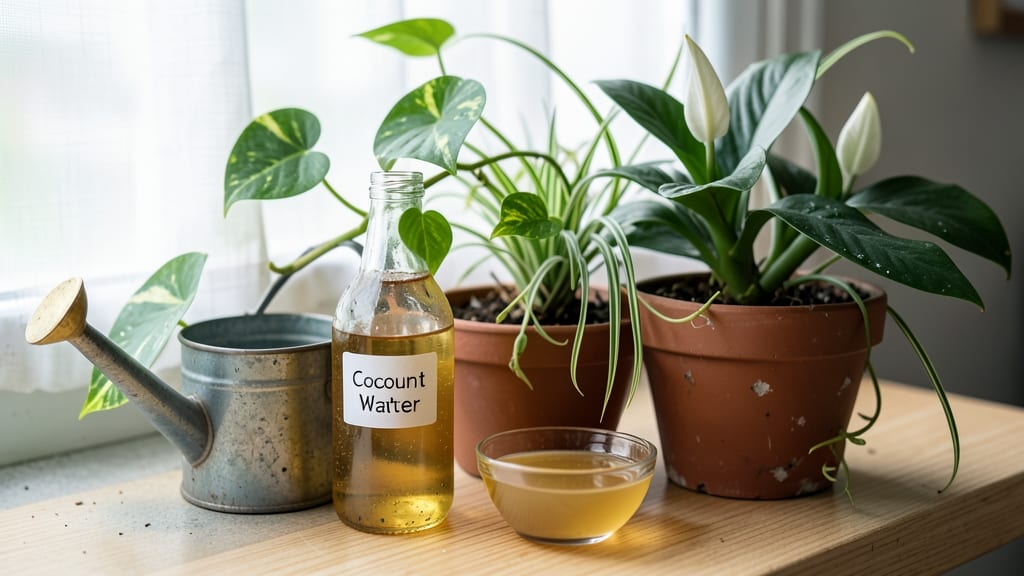
Coconut water for plants acts as a natural fertilizer rich in potassium, magnesium, and cytokinins that stimulate root development, flowering, and overall plant vitality, but must be diluted and used sparingly to prevent over-fertilization.
Coconut water isn't just a refreshing drink—it's packed with plant-boosting nutrients like potassium, which strengthens cell walls and improves water uptake, and magnesium, essential for photosynthesis. 🌱 The real magic lies in its cytokinins, plant hormones that trigger cell division and root growth.
I've seen orchids and succulents thrive after just a few applications, though I always dilute it first (1 part coconut water to 4 parts water) to avoid shocking delicate plants.
For best results, use it every 2-4 weeks during the growing season, targeting plants like tomatoes, peppers, and African violets that crave these micronutrients. The key is moderation—overuse can lead to salt buildup in the soil, which actually harms roots.
Think of it as a vitamin boost rather than a full meal replacement.
💡 In This Article
- How Coconut Water Enhances Plant Growth Mechanisms
- Best Practices for Feeding Plants with Coconut Water
How coconut water enhances plant growth mechanisms
Coconut water contains natural plant hormones called cytokinins, which are critical for cell division and root development.
These hormones stimulate the growth of new roots and help plants recover from transplant shock. 🌱 The cytokinin levels in coconut water can reach up to 100-200 parts per million (ppm), which is significantly higher than what you'd find in most tap water.
This is why many gardeners swear by it for propagating cuttings or reviving stressed plants.
The potassium content in coconut water (typically 250-300 ppm) plays a vital role in regulating water balance within plant cells and activating enzymes that convert sugars into energy.
Unlike synthetic fertilizers, which often contain potassium in the form of salts that can accumulate in the soil, coconut water's potassium is organically bound and absorbed more efficiently. Magnesium, another key nutrient found in coconut water, is essential for chlorophyll production, helping plants convert sunlight into energy through photosynthesis.
One of the most fascinating aspects is how coconut water mimics the natural environment of tropical plants.
In their native habitats, these plants often receive nutrient-rich water from rainfall or natural decomposition, which contains similar hormonal and mineral profiles. 🌿 This is why orchids, bromeliads, and other tropical species respond so well to coconut water treatments—they're essentially getting a taste of home.
The cytokinins also help delay leaf senescence (aging), keeping foliage vibrant longer.
However, the benefits aren't just limited to tropical plants. Vegetables like tomatoes and peppers benefit from the potassium boost, which enhances fruit development and disease resistance. The magnesium supports stronger cell walls, making plants more resilient against environmental stressors like drought or temperature fluctuations.
What's particularly impressive is how these benefits occur without the risk of chemical buildup that often accompanies synthetic fertilizers.
When comparing coconut water to commercial fertilizers, it's important to note that it's not a complete nutrient solution. While it provides essential micronutrients, it lacks macronutrients like nitrogen and phosphorus found in balanced fertilizers.
This is why it works best as a supplement rather than a standalone fertilizer. The natural organic compounds also promote beneficial microbial activity in the soil, creating a healthier root zone environment.
For those curious about the science, the cytokinins in coconut water bind to plant cell receptors, triggering a cascade of genetic responses that promote growth.
These hormones are particularly effective during the early stages of plant development, which is why many gardeners use it when starting seeds or transplanting young plants. The combination of hormonal stimulation and mineral enrichment creates a powerful growth cocktail that's hard to replicate with synthetic alternatives.