I’ve been obsessed with plants since I was a kid, sneaking seeds from my mom’s garden to grow in old tin cans by the back porch. There’s something about watching something small turn into something alive that never gets old. This site is where I share the lessons I’ve learned—from the triumphs (that first tomato!) to the disasters (the time the squash vines took over the whole yard). I aim to make gardening approachable, whether you’re a beginner with a windowsill or a veteran with a full plot.
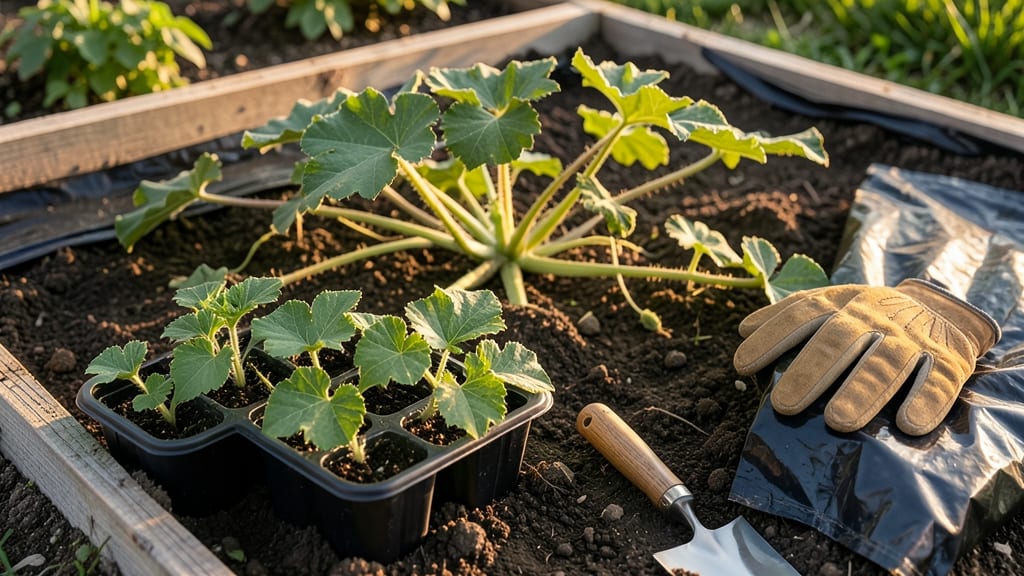
💥 Quick Answer You can plant watermelons in a raised bed with proper spacing and soil conditions, ensuring vines have room to sprawl while maintaining drainage and warmth for optimal fruit growth. Choose compact…
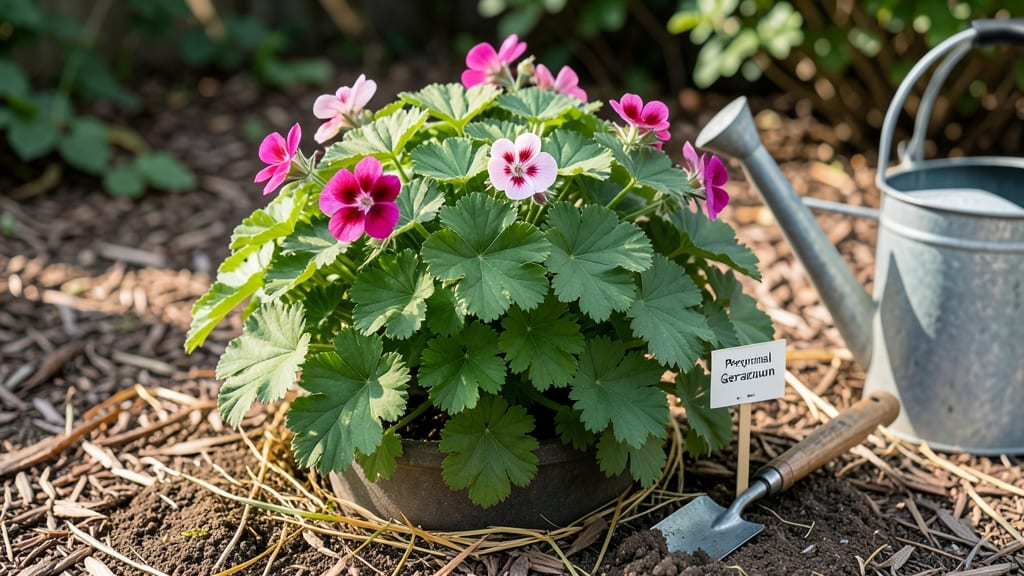
The perennial geranium care secrets are simple: these cold-hardy plants deliver months of blooms with minimal effort—once you know their needs. 🌿 I’ve grown these tough perennials through winters and droughts, and…
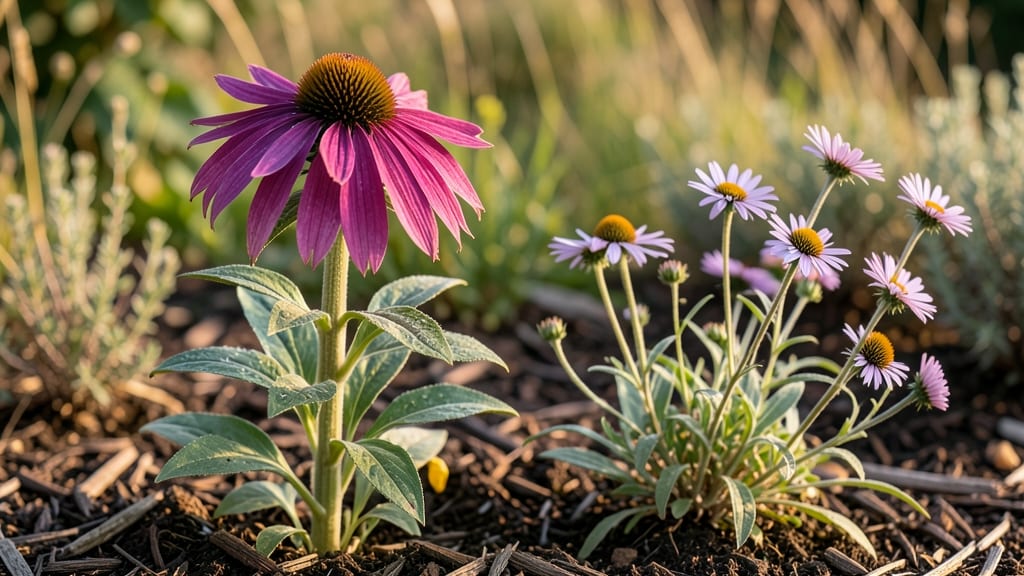
💥 Quick Answer Purple coneflower is a perennial plant, not an annual, despite its dramatic late-summer dieback—its roots survive winter to regrow in spring, thriving in poor soil and drought conditions with minimal…
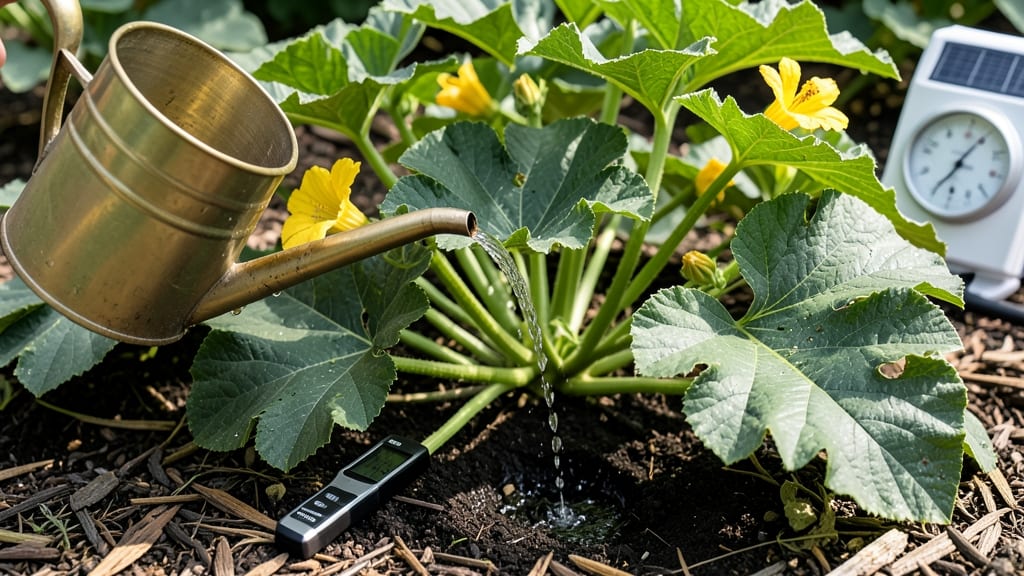
💥 Quick Answer To water pumpkin plants properly, maintain consistent moisture by providing 1-2 inches of water weekly during active growth, adjusting for temperature and rainfall. Young plants need frequent, shallow…
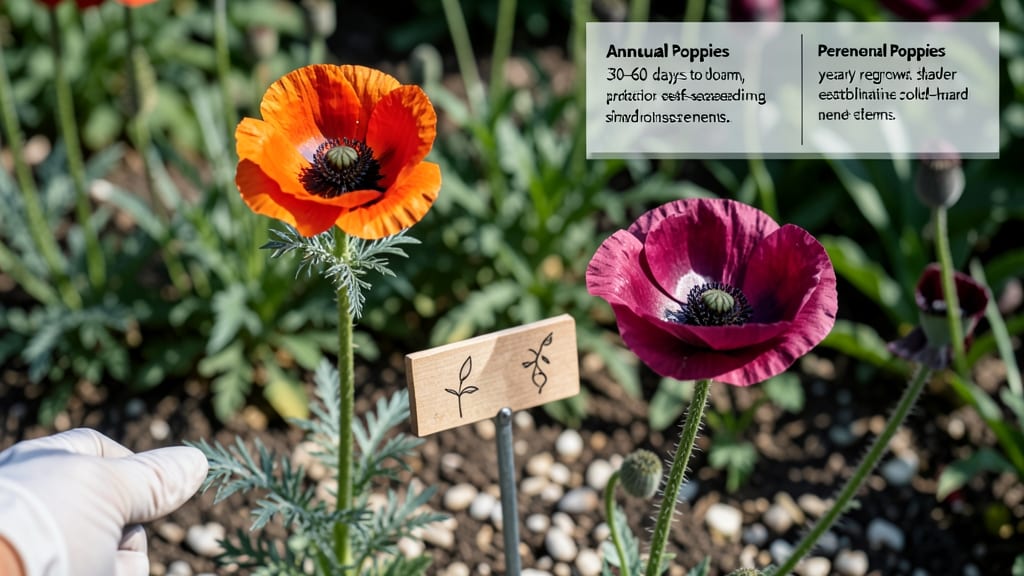
💥 Quick Answer Poppy flowers are annuals, meaning they complete their life cycle in one growing season, though some varieties self-seed prolifically to create the illusion of perennial behavior through natural…
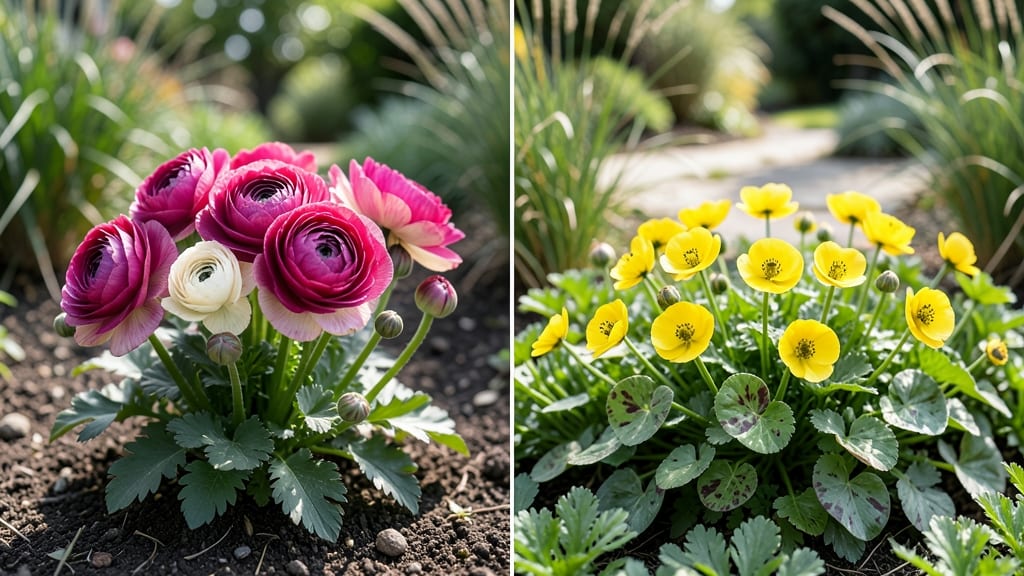
💥 Quick Answer Whether ranunculus are annual or perennial depends on your climate: they're hardy perennials in mild zones but treated as annuals in colder areas where their tubers need winter dormancy to survive. These…
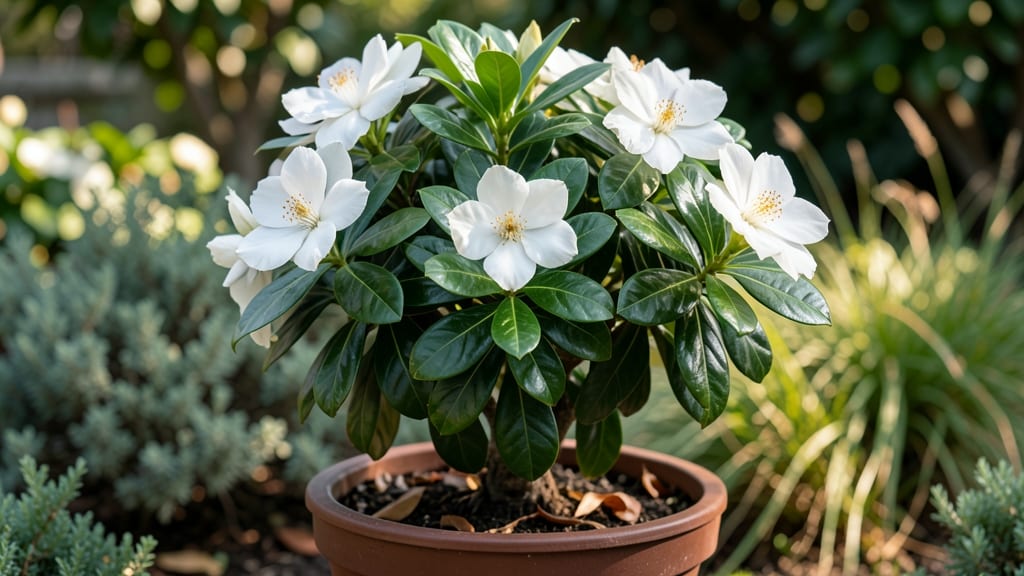
💥 Quick Answer Gardenia plants can survive as perennials in Zone 7 with proper winter protection, such as mulching, wrapping, or moving pots indoors before frost. Choose cold-hardy varieties like Gardenia jasminoides…
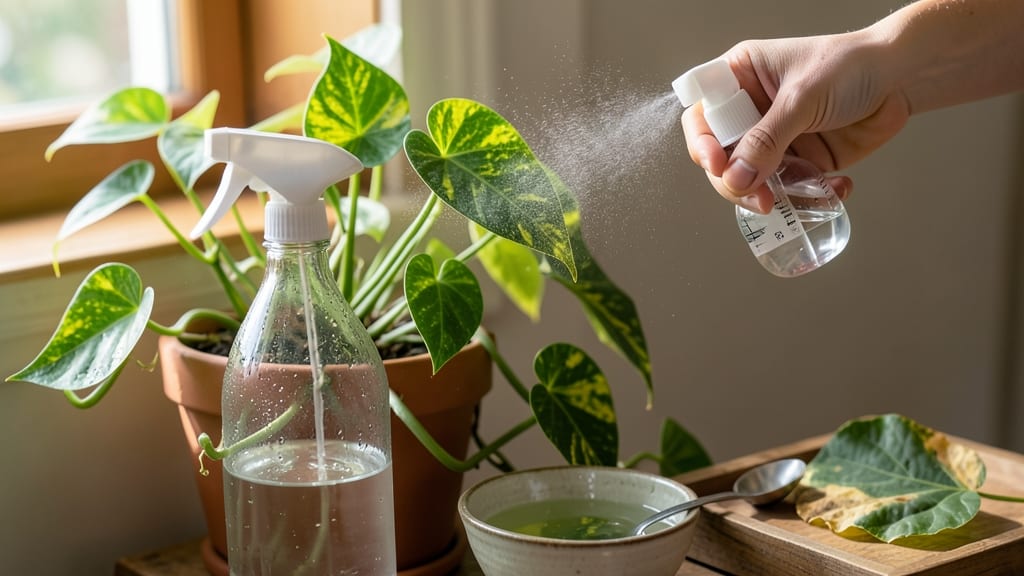
💥 Quick Answer Using vinegar and water for plants lowers soil pH naturally, but you must mix it carefully—start with 1 tablespoon white vinegar per gallon of water—to prevent root damage. Always test soil pH first and…
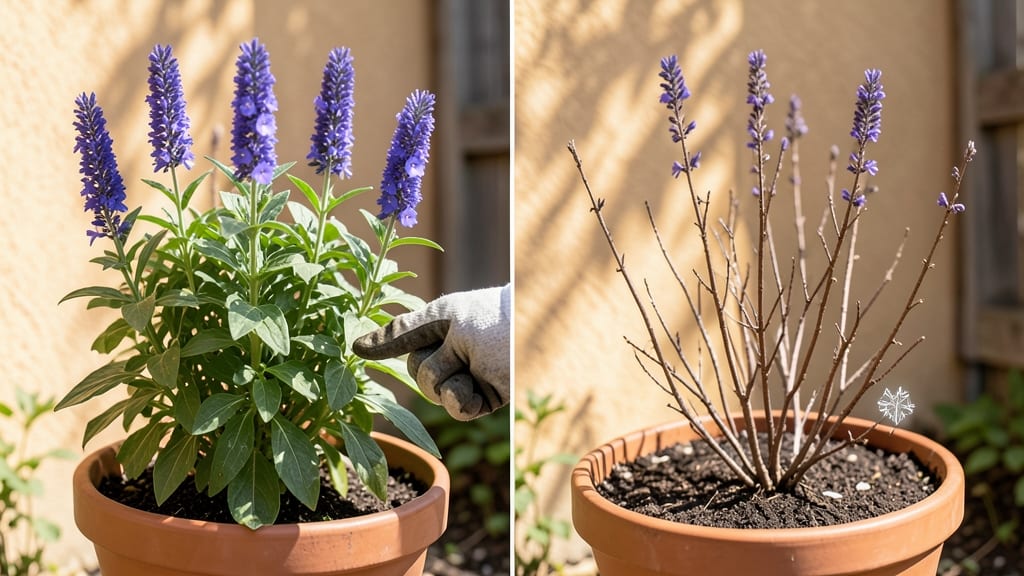
💥 Quick Answer Angelonia behaves like a perennial only in frost-free zones, since it dies back completely when temperatures fall below 30°F (-1°C) . While it may regrow from roots in milder winters, true cold-hardy…
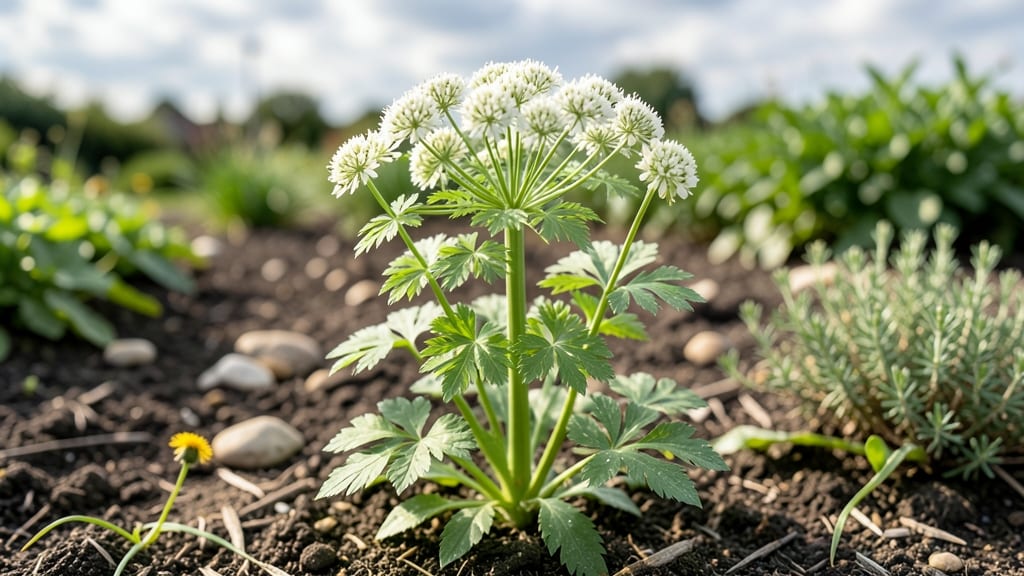
💥 Quick Answer Chervil isn't a true perennial—it acts like a biennial or short-lived perennial, dying back each winter but often regrowing from its base in spring if conditions are favorable. Some cold-resistant types…