
Flowers
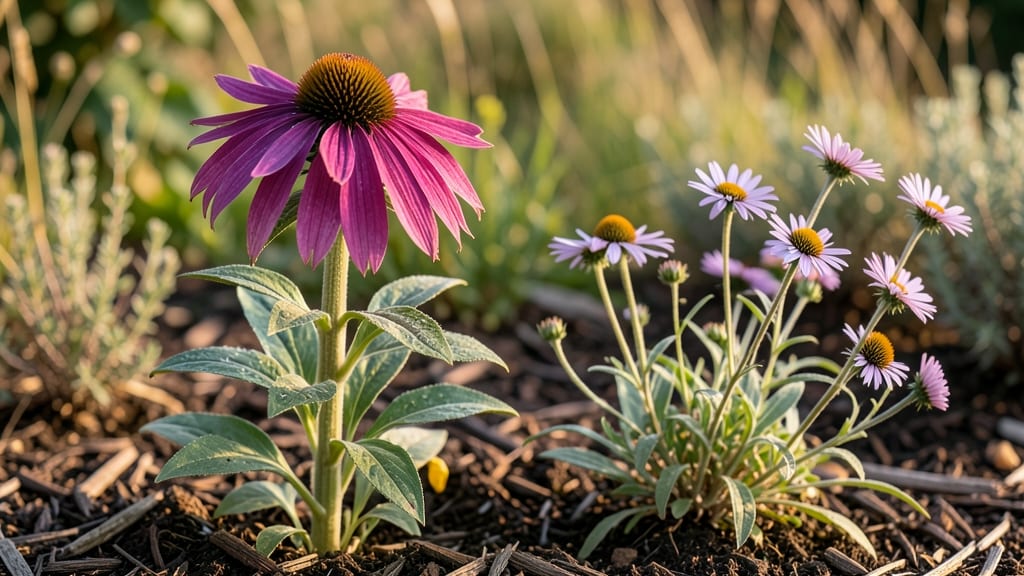
Purple coneflower is a perennial plant, not an annual, despite its dramatic late-summer dieback—its roots survive winter to regrow in spring, thriving in poor soil and drought conditions with minimal care.
Many gardeners mistake purple coneflower for an annual because it looks like it dies back completely by late summer. 🔥 The secret is in its deep, tough roots that store energy through winter, allowing it to bounce back stronger in spring.
This hardy plant actually thrives in tough conditions—drought, poor soil, and even freezing temperatures—making it one of the most resilient perennials for low-maintenance gardens.
What sets purple coneflower apart is its ability to self-seed while maintaining its perennial nature. Once established, it often spreads naturally, creating clusters of blooms that attract pollinators for months. The key to encouraging this behavior is proper deadheading after flowering and avoiding overwatering, which can weaken those hardy roots.
💡 In This Article
- Why Purple Coneflower Looks Dead but Returns Every Year
- Caring for Purple Coneflower’s Perennial Lifespan
Why purple coneflower looks dead but returns every year
The dramatic late-summer dieback of purple coneflower (Echinacea purpurea) is actually a survival strategy called senescence. As temperatures rise and daylight shortens, the plant deliberately sheds its above-ground foliage to conserve energy in its deep taproot system, which can extend up to 3 feet underground.
This root stores carbohydrates and nutrients like starches and sugars, acting as a biological battery for winter. 🌱 During dormancy, metabolic processes slow dramatically—respiration rates drop by 70-80%—reducing water loss while maintaining just enough activity to keep root cells alive.
What makes this possible is the plant's cold hardiness, rated USDA zones 3-9. Purple coneflower's cells produce protective proteins and antifreeze compounds that prevent ice crystal formation in root tissues. Studies show its roots can withstand temperatures down to -30°F (-34°C) without permanent damage.
The key difference from annuals? Annuals rely entirely on current season growth, while perennials like coneflower invest heavily in root development early on, creating a reserve system that annuals simply can't match.
The regrowth process begins in early spring when soil temperatures reach 40-50°F (4-10°C). New shoots emerge from the crown (the base where stems meet roots) because this area contains meristematic cells—undifferentiated cells capable of rapid division.
You'll often see fresh green leaves appear before the old stems have fully decomposed, a clear sign the plant is actively rebuilding its energy reserves.
This two-phase growth cycle (summer dieback followed by spring rebound) is why coneflower thrives in xeric conditions—it's essentially programmed to survive drought by shutting down non-essential functions.
One fascinating adaptation is the plant's ability to photosynthesize through its roots in low-light conditions. While this contributes only 5-15% of its total energy needs, it provides critical supplements during winter when above-ground photosynthesis isn't possible.
This root-level photosynthesis explains why purple coneflower often performs better in clay or rocky soils where other plants struggle—its roots can access deeper moisture and nutrients that surface plants can't reach.
The timing of dieback varies by climate but typically occurs between late July and September, coinciding with the plant's natural seed maturation period. This isn't accidental—the plant prioritizes seed production before conserving resources.
What gardeners often mistake for death is actually a dormancy phase similar to how deciduous trees lose leaves in autumn. The difference is that coneflower's roots remain metabolically active year-round, ready to capitalize on spring's first warm days.
For visual confirmation of its perennial nature, look for these signs in late winter: green shoots pushing through the soil, new leaf buds at the base of old stems, or sprouting from the crown. These are unmistakable indicators that the plant's energy reserves are converting back into growth.
Unlike annuals that complete their lifecycle in one season, purple coneflower's roots contain perennial meristems that can persist for 5-10 years or longer with proper care.