
Planting
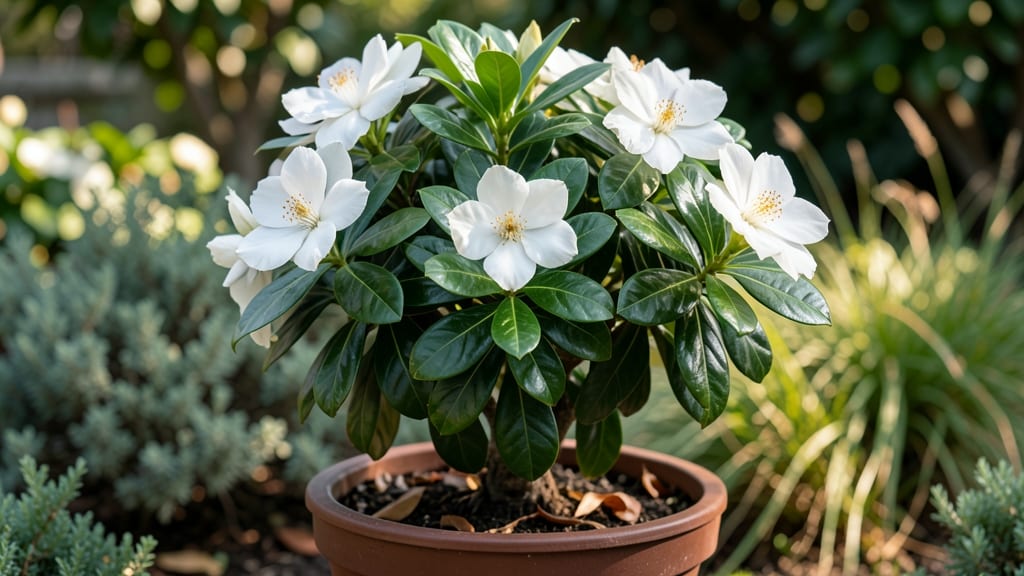
Gardenia plants can survive as perennials in Zone 7 with proper winter protection, such as mulching, wrapping, or moving pots indoors before frost. Choose cold-hardy varieties like Gardenia jasminoides 'Kleim’s Hardy' for best results.
Gardenias thrive in warmer climates, but with the right strategies, you can keep them alive through Zone 7 winters.
The key is understanding their tropical roots—they can't handle prolonged temperatures below 20°F, which is common in many Zone 7 areas. 🌿 I've found that using thick mulch layers (at least 4-6 inches) or even wrapping pots in frost cloth can create a protective barrier against sudden cold snaps.
Another trick is planting near south-facing walls, where the sun's warmth helps moderate temperatures during winter months.
For container gardeners, mobility is your best friend. Moving pots indoors before the first frost gives you full control over their environment.
Even if you don't bring them inside, choosing hardier varieties like 'Kleim’s Hardy' gives you a fighting chance—these plants have been bred specifically to tolerate slightly cooler conditions than their tropical cousins.
💡 In This Article
- Why Gardenias Struggle in Zone 7 Winters
- Zone 7 Gardening Hacks for Year-Round Gardenias
Why gardenias struggle in Zone 7 winters
Gardenias originate from tropical regions where temperatures rarely drop below 60°F, making them highly sensitive to cold. Their delicate foliage and flowers begin suffering when exposed to temperatures below 40°F, while prolonged exposure to 20°F or lower can be fatal.
This sensitivity stems from their thin, waxy leaves that lack the protective adaptations of hardier plants, like thick cuticles or deep root systems. 🌱 The real damage occurs when water inside plant cells freezes and expands, rupturing cell walls—a process called frost desiccation.
Zone 7 winters can dip well below these thresholds, especially during sudden cold snaps where temperatures may plummet to 15-20°F for extended periods. Even brief exposure to 32°F
The good news is that gardenias are shallow-rooted, meaning their root systems are also vulnerable to freezing ground temperatures. This is why mulching becomes critical—it acts as an insulating blanket that moderates soil temperature fluctuations. Microclimates play a surprisingly large role in extending gardenia survival. South-facing walls, for instance, can create zones that are 5-10°F warmer than the surrounding area during winter. This extra warmth helps prevent frost damage to leaves and flowers. Similarly, planting near evergreen shrubs or trees provides windbreaks that reduce heat loss. The science here involves convection currents—when wind is blocked, the air layer near the plant stays warmer, creating a protective bubble around the foliage. 🌿 Another key factor is the plant's metabolic response to cold. Gardenias enter a state of dormancy when temperatures drop, but this process isn't as robust as in native cold-hardy plants. Their growth slows dramatically, but they don't develop the protective compounds that help plants like rhododendrons survive winter. This is why even "hardy" gardenia varieties need additional protection—they've been bred for slightly better tolerance, but their fundamental biology remains tropical. Water management is equally critical during winter. Overwatering when the ground is frozen can lead to root suffocation, while underwatering causes dehydration stress. The ideal approach is to reduce watering by 50% in fall and completely halt irrigation when temperatures drop below 40°F. This allows the plant to focus its energy on surviving rather than processing water through frozen soil. The right balance keeps roots hydrated without inviting rot in cold conditions. Finally, gardenias' flowering mechanism is highly temperature-sensitive. Buds form in late summer and require consistent warmth to develop properly. When winter temperatures fluctuate, these buds often drop off before blooming. This is why gardeners in Zone 7 need to create stable microclimates—fluctuations of just 10°F can trigger bud abortion. 🌸 The solution lies in consistent protection, whether through mulch, wraps, or indoor relocation.