
Flowers
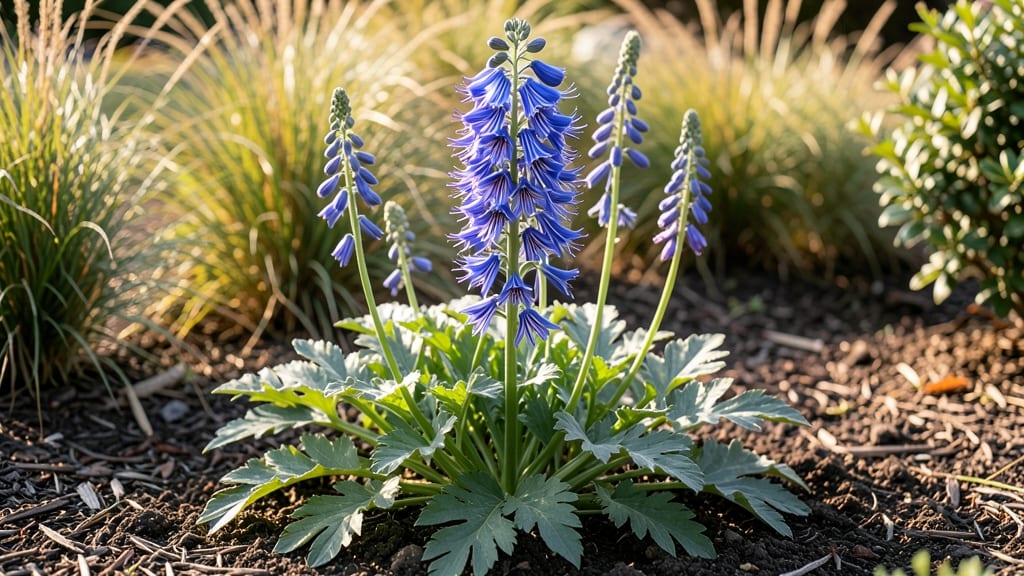
Delphinium perennials grow best in USDA hardiness zones 3 through 7, with some cold-hardy varieties enduring zone 8 in cooler microclimates. These plants require well-draining soil, full sunlight, and winter mulch to shield roots from freezing temperatures and frost damage. Regular deadheading of spent blooms helps prolong flowering in milder climates.
Delphiniums' hardiness varies by variety, but most thrive where winter temperatures rarely drop below -35°F. 🌱 The key to their survival is protecting the crown—mulching with 4-6 inches of straw or shredded leaves creates an insulating barrier that prevents frost heave.
In zone 7 and above, where humidity increases fungal risks, spacing plants properly and avoiding overhead watering helps prevent rot. Dwarf varieties like 'Blue Bird' often handle zone 8 better than towering types, which may need extra winter protection.
For planting success, amend heavy soils with sand or perlite to ensure drainage, and choose a site with at least 6-8 hours of sunlight daily. In colder zones (3-4), wait until after the last frost to plant, while zone 7 gardeners can start in early spring.
Staking becomes crucial in windy zones to prevent stem breakage, especially for the 4-6 foot tall varieties. The payoff? Well-cared-for delphiniums reward you with 3-4 weeks of vibrant blooms in late spring to summer.
💡 In This Article
- Delphinium Perennial Cold Tolerance Explained
- Optimal Planting and Maintenance for Zone-Specific Delphiniums
Delphinium perennial cold tolerance explained
Delphiniums survive winter through a process called dormancy, where their above-ground growth dies back while the crown and roots remain alive underground.
The plant's cold tolerance hinges on soil temperature—roots can handle -35°F to -40°F when properly insulated, but prolonged exposure to -45°F or colder risks damage. 🌱 In zone 3, where winters dip below -35°F, delphiniums enter deeper dormancy, while zone 7 plants may experience milder winters with occasional dips to -10°F.
The real challenge isn't just cold, but frost heave—when soil freezes and expands, lifting roots out of the ground. This is why mulching with 4-6 inches of straw or shredded leaves is critical. The mulch acts like a blanket, maintaining a 5-10°F warmer soil temperature at the crown level.
Dwarf varieties like 'Pacific Giant' (2-3 feet tall) often handle frost better than tall types (5-6 feet) because their shorter stems are less exposed to wind and temperature swings.
Soil drainage plays a hidden role in cold survival. Wet, frozen soil conducts cold more efficiently, increasing frost heave risks. That's why well-draining soil—amended with sand or perlite—helps roots stay insulated.
In zone 4-5, where temperatures fluctuate wildly, planting delphiniums on a south-facing slope can add an extra 5-10°F of warmth to the root zone compared to flat ground.
Not all delphiniums are equal in their resilience. Tall varieties like 'Black Night' (6 feet) may struggle in zone 7's humid summers, where fungal diseases thrive, while dwarf types like 'Blue Bird' (2 feet) often thrive in zone 8's milder winters.
The key difference? Shorter stems have less surface area for heat loss and are less prone to wind damage. In zone 6, where winters average 0-10°F, a 3-inch layer of pine needles under mulch adds acidity that some delphiniums prefer.
What most gardeners miss is that delphiniums' cold tolerance depends on how well they're established. First-year plants in zone 3 need extra mulch (6+ inches) because their root systems aren't fully developed.
By year two, their deeper roots can access more stable soil temperatures. In zone 7, where summers are hotter, late afternoon shade helps prevent stress that weakens winter hardiness.
Here's a quick comparison of how varieties handle cold:
- Zone 3-4: 'Blue Bird' (dwarf) survives -40°F with proper mulch
- Zone 5-6: 'Black Night' (tall) needs 5-inch mulch for -25°F protection
- Zone 7-8: 'Pacific Giant' (medium) thrives with 3-inch mulch in cooler microclimates
Remember: The goal isn't just survival, but vibrant regrowth next spring. Proper winter care ensures delphiniums emerge with stronger stems and longer bloom times—up to 4-6 weeks in ideal conditions. 💫