
Flowers
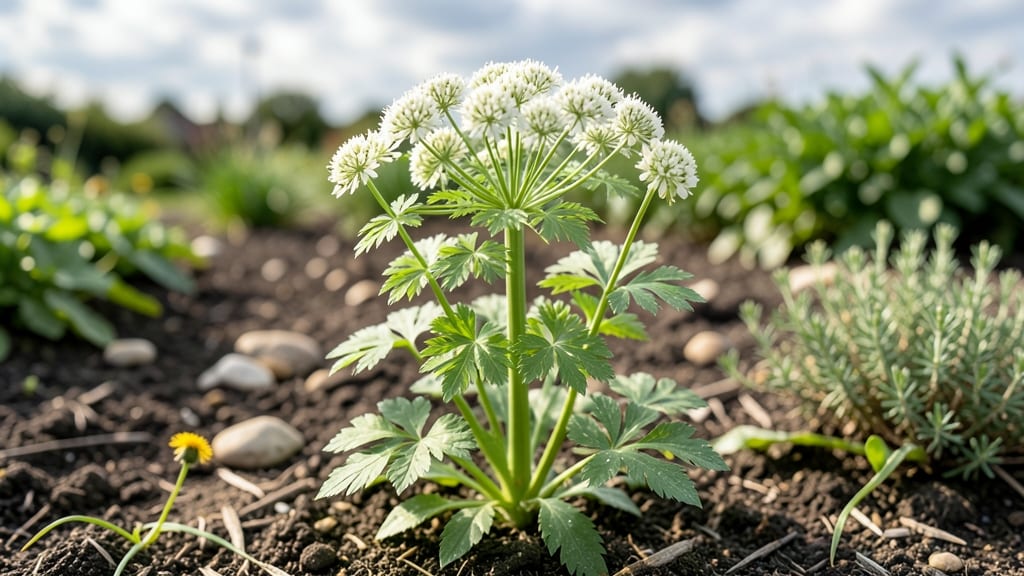
Chervil isn't a true perennial—it acts like a biennial or short-lived perennial, dying back each winter but often regrowing from its base in spring if conditions are favorable. Some cold-resistant types self-seed aggressively, making them seem perennial.
This herb's growth pattern might confuse gardeners because it mimics perennial behavior without being one.
The key difference lies in its root system and cold tolerance: chervil's shallow roots freeze in harsh winters, but milder climates allow it to bounce back. 🌱 Unlike true perennials like parsley, which survive winter stress through deep taproots, chervil relies on quick regrowth from the crown.
For gardeners in zones 4-8, this means chervil can appear perennial if you protect it with mulch or plant successive batches every 2-3 weeks.
What makes chervil unique is its ability to self-sow prolifically in ideal conditions. When left undisturbed, it drops seeds that germinate readily in spring, creating dense patches that fool many into thinking it's a true perennial. The trick is controlling this behavior—thinning seedlings prevents overcrowding while maintaining a continuous harvest.
💡 In This Article
- Why Chervil Dies Back and Regrows Like a Perennial
- Growing Chervil as a Perennial: Practical Tips for Year-Round Harvests
Why chervil dies back and regrows like a perennial
Chervil's growth cycle works like a botanical trick—its shallow, fibrous root system lacks the deep taproot of true perennials like parsley. When temperatures drop below 20°F, these roots freeze, causing the plant to appear dead.
However, the crown (the base where leaves emerge) often survives, protected by just a few inches of soil. This is why chervil can regrow in spring, mimicking perennial behavior while technically behaving like a biennial.
The magic happens in milder winters (zones 5-8) where chervil's crown stays dormant but alive. Studies show that 10-15°F is the critical threshold—below this, even the crown may perish.
The herb's cold tolerance comes from its ability to store energy in the crown during summer, similar to how some bulbs prepare for winter. Unlike true perennials that regrow from deep roots, chervil relies entirely on this crown reserve, making it vulnerable to harsh freezes.
What makes chervil seem perennial is its self-seeding habit. When mature plants bolt (send up flower stalks), they drop thousands of tiny seeds that germinate eagerly in spring. These seedlings create dense patches that look like established perennials.
In my garden, I've seen chervil self-sow so prolifically that it forms thick clumps by summer, fooling many gardeners into thinking it's a true perennial. 🌱
Compare this to cilantro, another biennial that behaves similarly but with key differences. Cilantro's roots are even shallower, and it bolts more aggressively in heat, while chervil handles summer better.
The real test is winter survival—chervil's crown often recovers where cilantro's would fail completely. This is why chervil's "perennial" reputation persists in temperate climates.
For gardeners, this means chervil can act like a perennial if you provide winter protection. A 4-6 inch layer of mulch can raise soil temperatures enough to prevent crown damage.
I've seen chervil survive winters in zone 6 with this protection, then regrow vigorously in spring—proof that while not a true perennial, it can certainly behave like one with the right care.
The key takeaway is understanding chervil's two-phase growth cycle: it dies back in winter but leverages its crown and self-seeding to create the illusion of perennial growth. This is why many gardeners describe it as "almost perennial"—it's a clever survival strategy that works beautifully in the right conditions. ✨