
Flowers
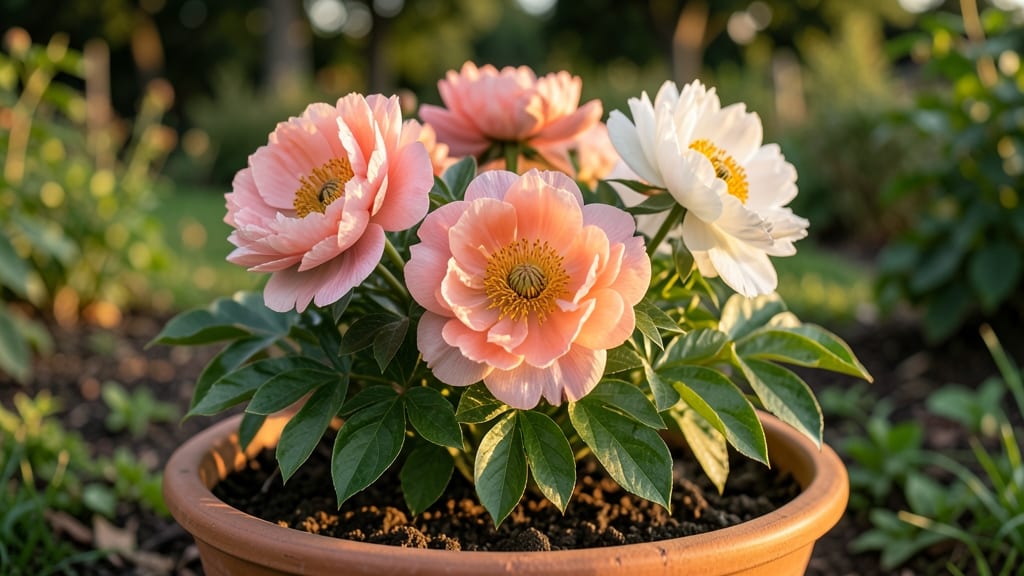
Peonies are perennial plants, meaning they return year after year from their hardy root systems, dying back to the ground in winter but rebounding with lush foliage and blooms each spring.
This unique life cycle is what sets peonies apart—while many plants die back seasonally, peonies actually store energy in thick, woody roots during dormancy. 🌱 What looks like dead foliage in winter is just their survival strategy, and with proper care, these roots can sustain the plant for 20-50 years or more.
The key to their longevity lies in how they balance dormancy with regrowth, making them one of the most reliable garden perennials.
What's fascinating is how their growth patterns work: peonies typically bloom in early summer, then enter a rest period when temperatures drop. This cycle repeats annually, with each season strengthening their root system for the next bloom cycle.
Unlike annuals that complete their life cycle in one season, peonies build resilience over time, which is why established plants often produce more abundant flowers each year.
💡 In This Article
- Understanding Peony Perennial Growth Cycles
- Caring for Perennial Peonies Long-Term
Understanding peony perennial growth cycles
Peonies enter dormancy as temperatures drop below 50°F in autumn, triggering their foliage to yellow and die back. This isn't death—it's a survival mechanism where the plant redirects all energy to its thick, woody roots (called crowns) that can store nutrients for years.
These roots contain starch reserves that fuel regrowth, similar to how a tree stores energy in its trunk. 🌱 The crowns remain alive underground, even when above-ground growth appears completely gone.
What makes peonies unique is their biennial bloom cycle. First-year plants focus on root development, while mature plants (typically 2-3 years old) produce flowers in early summer. The blooms emerge from buds formed the previous year, which is why proper care during dormancy directly impacts next year's flowers.
Unlike annuals that complete their life cycle in one season, peonies build resilience incrementally, with each dormant period strengthening their root system for more abundant blooms.
The dormancy process involves several key stages: leaf senescence (yellowing), stem dieback, and root hardening. During this time, peonies can survive temperatures down to -20°F thanks to their specialized root structure.
This hardiness explains why established peonies often outlive gardeners—some heritage varieties have thrived for over a century with minimal intervention. The trade-off is their slow growth in early years, as they prioritize root development over immediate flowering.
One fascinating adaptation is their rhizomatous growth habit. While many perennials spread via runners, peonies expand by producing new shoots from their crowns. This creates a gradual, natural clumping pattern that prevents overcrowding.
When you see those lush, bushy peony plants in gardens, you're looking at decades of carefully managed root expansion. 🌿 The key to their longevity lies in this balanced growth strategy—never too aggressive, never too slow.
Seasonal timing plays a critical role in their cycle. Spring regrowth begins when soil temperatures reach 50-55°F, triggering root activity. New shoots emerge from the crown, followed by leaves, then flower buds.
The entire process is tightly regulated by photoperiod (day length) and temperature cues, making peonies highly responsive to their environment. This precision is why they bloom reliably year after year in the same location.
What most gardeners don't realize is how their flowering intensity correlates with dormancy quality. Plants that experience proper winter chill (typically 400-600 hours below 45°F) produce stronger blooms the following season.
This chilling requirement explains why peonies struggle in warm-winter climates—they need that cold period to reset their biological clock. The result? Fewer blooms or weaker stems when winter conditions are insufficient. 🌸
Understanding these cycles helps explain why peonies often increase in size and bloom abundance with age. Each dormant season adds to their root mass, creating more energy reserves for future growth.
This is why a 5-year-old peony might produce only a few blooms, while a 20-year-old plant can cover an entire garden bed with flowers. The secret to their longevity isn't just hardiness—it's this carefully balanced growth and storage system that evolves over decades. ✨