
Watering
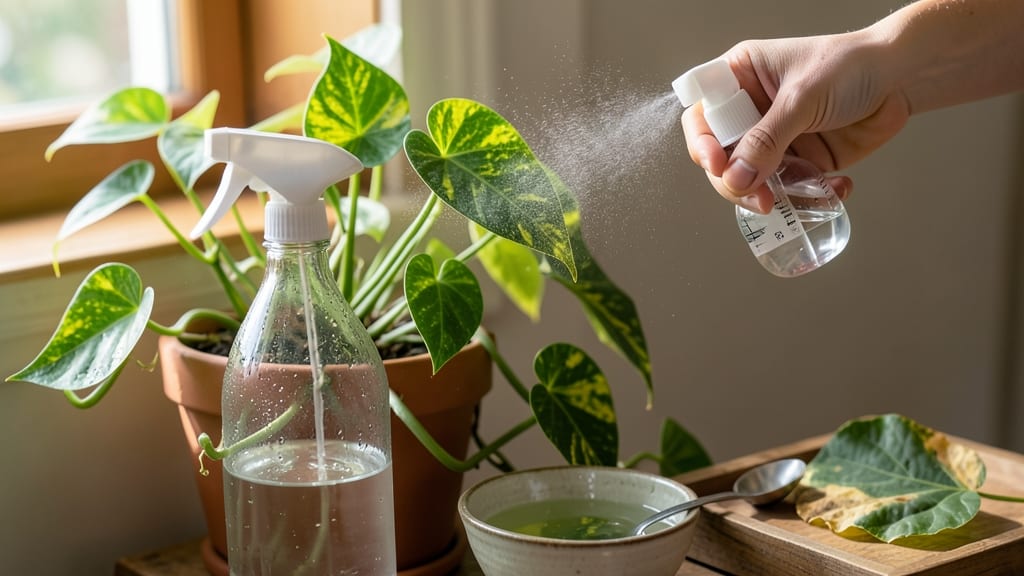
Using vinegar and water for plants lowers soil pH naturally, but you must mix it carefully—start with 1 tablespoon white vinegar per gallon of water—to prevent root damage. Always test soil pH first and dilute more for delicate plants like azaleas or blueberries.
Vinegar's acetic acid temporarily reduces soil pH, helping acid-loving plants like hydrangeas and blueberries access iron and manganese more easily. 🌱 The key is moderation—overuse can disrupt soil microbes and harm beneficial fungi.
I recommend starting with a 1:100 dilution (1 tablespoon per gallon) and monitoring plant response for 2-3 weeks before adjusting. For alkaline soils, this method works better than commercial acidifiers because it's biodegradable and won't leave chemical residues.
Pro tip: Never apply vinegar directly to leaves or dry soil—always water the soil first to distribute the acid evenly. If your plants show yellowing leaves or stunted growth, flush the soil with plain water immediately and reduce future applications.
The magic number for most gardeners is once every 4-6 weeks during growing season, but always check soil pH after each treatment.
💡 In This Article
- How Vinegar Affects Soil pH and Plant Health
- Safe Vinegar Dilutions for Different Plants and Soil Types
How vinegar affects soil pH and plant health
Vinegar works as a natural soil acidifier because its main component, acetic acid, reacts with alkaline minerals like calcium carbonate in the soil. When you apply a diluted vinegar solution, the acetic acid (CH₃COOH) dissociates into hydrogen ions (H⁺) and acetate ions (CH₃COO⁻).
These hydrogen ions temporarily lower the soil's pH by increasing its acidity—think of it like adding lemon juice to baking soda, which creates a fizzy reaction that neutralizes alkalinity.
This chemical process is why vinegar can shift soil pH from neutral (7.0) toward acidic (below 7.0), making nutrients like iron and manganese more available to plants that crave acidic conditions.
The pH scale runs from 0 (most acidic) to 14 (most alkaline), with most garden soils falling between 6.0 and 7.5. Acid-loving plants like blueberries, azaleas, and gardenias thrive in soils with pH levels between 4.5 and 5.5, while most vegetables prefer a slightly acidic to neutral range (6.0-7.0).
Vinegar's acetic acid doesn't permanently alter soil pH—it's more like a temporary adjustment that helps break down alkaline compounds over time. For example, a 1 tablespoon per gallon dilution can drop soil pH by about 0.5 to 1.0 points, but this effect fades within weeks as the soil stabilizes.
Here's the catch: vinegar's acidity isn't selective—it affects all soil components, including beneficial microbes and fungi.
While a slight pH drop helps acid-loving plants access nutrients, too much can disrupt the soil ecosystem. 🌱 For instance, earthworms and mycorrhizal fungi (which help plants absorb water and nutrients) prefer pH levels between 6.0 and 7.0.
That's why it's crucial to monitor soil pH with a test kit before and after treatment. If your soil starts below 5.0, vinegar could actually harm your plants by making the environment too harsh for root growth.
Vinegar also plays a role in breaking down mineral deposits in alkaline soils. When applied to hard water-affected areas, the acetic acid helps dissolve calcium and magnesium buildup in pots or garden beds, which can otherwise restrict root penetration.
For example, if your garden soil has a white, chalky appearance (a sign of calcium carbonate), a diluted vinegar solution can help restore porosity. However, this benefit comes with a trade-off: overuse can leach essential nutrients like potassium and magnesium from the soil, leaving plants nutrient-deficient.
Consider this comparison: commercial acidifiers like sulfur or aluminum sulfate provide long-term pH adjustments, while vinegar offers a quick, biodegradable fix. The difference lies in their mechanisms—sulfur reacts with soil moisture to form sulfuric acid, while vinegar's acetic acid works immediately but dissipates faster.
For container gardens, vinegar's rapid action makes it ideal for correcting pH imbalances between plantings, but for large garden beds, a more gradual approach might be better.
One often-overlooked factor is vinegar's effect on soil structure. Clay soils, which naturally hold more alkaline minerals, respond well to vinegar treatments because the acid helps break down compacted particles. Sandy soils, however, may not benefit as much since their loose structure doesn't retain the acetic acid for long.
Always water your plants thoroughly after applying vinegar to help distribute the solution evenly through the root zone and prevent concentrated pockets of acidity that could burn roots.
For the best results, think of vinegar as a tool for fine-tuning rather than a cure-all. Start with a 1:100 dilution (1 tablespoon per gallon) and observe your plants for two weeks. If you notice new growth or deeper green leaves, you're on the right track.
If leaves yellow or drop, flush the soil with water and reduce the concentration next time. The goal is to create a balanced environment where your plants can thrive without disrupting the delicate soil ecosystem. 💫