
Flowers
Using baking soda in flower water extends vase life by balancing pH levels, preventing bacterial growth, and keeping water fresh longer without harming delicate petals or foliage.
This simple trick works because most tap water is slightly acidic, which speeds up flower decay.
A tiny pinch of baking soda—just ¼ teaspoon per quart of water—neutralizes that acidity while creating an environment where harmful bacteria struggle to thrive. 🌸 I’ve seen roses last nearly twice as long when treated this way, especially in hard water areas where mineral buildup clogs stems.
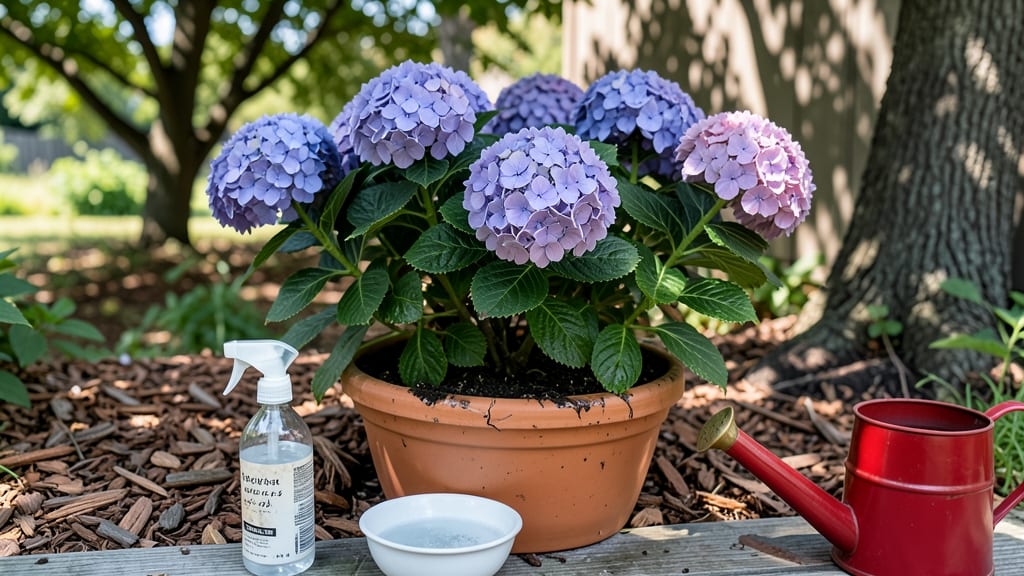
The key is moderation: too much can make the water alkaline, which actually harms some blooms like hydrangeas or gardenias that prefer slightly acidic conditions.
For best results, mix the baking soda with warm (not hot) water and add a few drops of bleach or hydrogen peroxide to further inhibit bacterial growth.
This combo keeps stems open and water crystal clear for days. Just remember—this method works best with cut flowers that aren’t naturally acid-loving, like lilies or sunflowers.
💡 In This Article
- How Baking Soda Works in Flower Water
- Best Practices for Using Baking Soda with Cut Flowers
How baking soda works in flower water
Baking soda acts as a natural pH balancer because it's alkaline (pH 8-9), while most tap water is slightly acidic (pH 6-7). When dissolved in water, baking soda's sodium bicarbonate molecules break apart into sodium and bicarbonate ions.
The bicarbonate ions react with acidic compounds in the water, neutralizing harmful hydrogen ions that accelerate flower decay. This chemical reaction creates a more stable environment where bacteria and fungi—common causes of cloudy vase water—struggle to multiply.
The magic happens at the molecular level: acidic water (pH <7) causes flower cells to break down faster through a process called hydrolysis, where water molecules split into H+ and OH- ions that damage cellular structures.
A ¼ teaspoon of baking soda per quart of water raises the pH to around 7.5-8, creating a neutral-to-slightly alkaline balance that preserves flower tissues.
For example, roses typically last 3-5 days in plain water but can extend to 7-10 days with this treatment. 🌸 The alkaline environment also prevents mineral buildup in stems, which often clogs them and cuts off water flow.
Another key benefit is bacterial inhibition. Most waterborne microbes thrive in acidic conditions, but they become less active in alkaline water. Baking soda's sodium content creates an osmotic effect that draws water into bacterial cells, causing them to burst—a process called osmotic lysis.
This is why cloudy vase water clears up within hours of adding baking soda. The visual improvement isn't just cosmetic: clear water means unobstructed stem hydration, which directly impacts flower longevity.
However, the effect isn't universal. Flowers like hydrangeas or gardenias, which naturally prefer acidic soil (pH 5-6), may show signs of stress when exposed to alkaline water. Their petals can develop brown edges or wilt faster because the pH disrupts their cellular uptake of nutrients.
This is why testing your water's pH first is crucial—most drugstores sell inexpensive pH strips that reveal whether your tap water is acidic or alkaline before treatment.
Temperature also plays a role in how effective baking soda becomes. Warm water (70-75°F) dissolves baking soda more completely than cold water, ensuring even distribution of alkaline ions. But never use hot water—it can denature proteins in flower cells, making them more susceptible to decay.
The ideal method is to mix the baking soda with warm water, let it cool to room temperature, then add your flowers immediately to maximize the pH-balancing effect.