
Plants
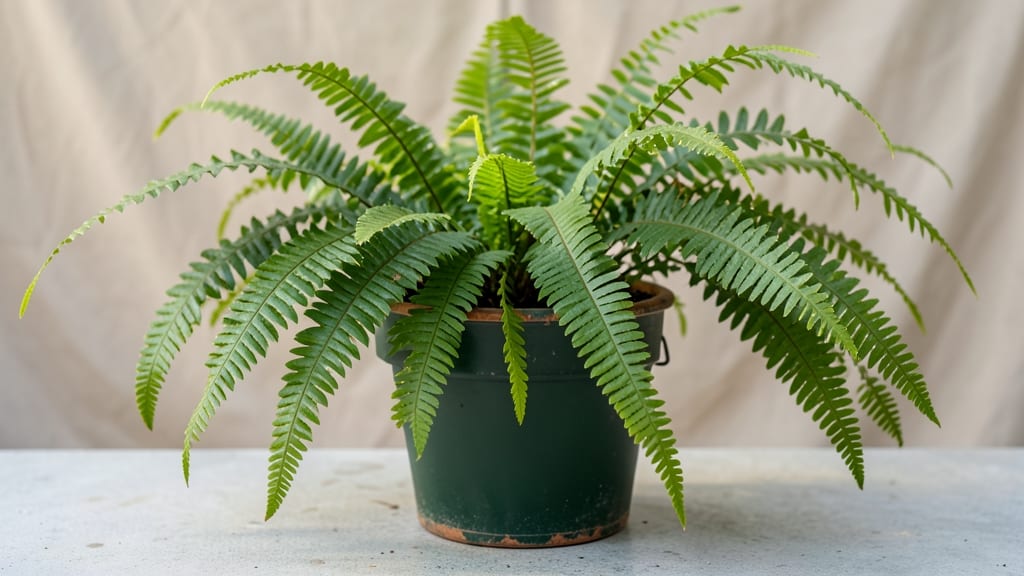
Boston ferns qualify as perennials in USDA zones 8-11, where they maintain lush growth year-round with proper moisture and shade. In colder regions, their fronds die back seasonally but survive through underground rhizomes, rebounding when spring arrives with consistent care.
These ferns earn their perennial status through clever survival tactics. Their thick rhizomes store nutrients and moisture, acting like natural insulation against freezing temperatures. 🌿 In zones 3-7, gardeners can still grow them successfully by protecting the crown with thick mulch or overwintering pots in unheated garages.
The key difference between annuals and perennials here is that Boston ferns' root systems remain alive underground, ready to sprout fresh fronds when conditions improve.
What sets them apart from other perennials is their sensitivity to drying out—even during dormancy. The rhizomes need consistent moisture to prevent desiccation, which is why mulching isn't just protective but also hydrating.
I've seen gardeners in zone 5 successfully overwinter them by burying containers in straw, then uncovering them in early spring when soil temperatures reach 50°F.
💡 In This Article
- Boston Fern Perennials: How Cold Tolerance Works
- Winterizing Boston Ferns in Cold Climates
Boston fern perennials: how cold tolerance works
The secret behind Boston ferns' perennial nature lies in their specialized rhizomes—thick, horizontal underground stems that function like survival banks. These rhizomes store carbohydrates (up to 30% of their dry weight) and water, allowing the plant to sustain itself through freezing temperatures.
When fronds die back in winter, the rhizome remains dormant but metabolically active, maintaining cell integrity through antifreeze proteins that prevent ice crystal formation in their tissues. 🌱 This is why they can survive down to 15°F with proper protection, unlike annuals that die completely each winter.
Moisture retention is equally critical to their cold hardiness. Boston ferns' rhizomes have a waxy cuticle that reduces water loss, but they still require 40-60% soil moisture during dormancy to prevent desiccation.
In zones 8-11, this moisture comes naturally from consistent rainfall, while colder climates need supplemental irrigation or protective mulch.
The rhizomes' ability to regulate moisture explains why Boston ferns often revive more quickly than other perennials in spring—once temperatures stabilize above 40°F, their stored reserves kickstart new frond growth within 2-3 weeks.
Temperature thresholds trigger their dormancy cycle. When nighttime temperatures drop below 50°F for prolonged periods, the fern's meristem cells (growth points) enter a state of arrested development. This isn't true dormancy like bulbs, but rather a slowed metabolic state where the rhizome maintains just enough activity to survive.
The key difference from true winter-hardy perennials (like hostas) is that Boston ferns lack the same level of frost tolerance in their foliage—hence why their above-ground growth always dies back in cold climates, while their roots remain viable.
Light exposure also plays a surprising role in their cold tolerance. While Boston ferns thrive in shade, their rhizomes actually benefit from indirect winter sunlight—this helps maintain photosynthesis at reduced levels, supplementing their stored energy.
In containers, this means positioning pots where they'll receive 2-4 hours of morning sun during winter months, even if the rest of the plant is dormant. This subtle light exposure can mean the difference between a fern that revives vigorously in spring versus one that struggles to regrow.
What most gardeners overlook is how soil type affects their cold tolerance. Sandy soils drain too quickly, forcing rhizomes to work harder to retain moisture, while clay soils can become waterlogged and anaerobic.
The ideal medium is a 50/50 mix of peat moss and perlite, which holds moisture while allowing oxygen exchange—critical for rhizome health during dormancy. This is why container-grown Boston ferns often survive better in cold climates than those planted directly in ground soil.
Consider this comparison: A Boston fern's rhizome system is like a well-insulated root cellar. While other perennials might rely on thick taproots or bulb structures, the fern's horizontal growth pattern allows it to spread its energy reserves across a wider area, creating a more stable survival network.
This explains why even small rhizome fragments (2 inches long) can regenerate a new plant when properly cared for—a trait that makes them remarkably resilient in challenging conditions. ✨