I’ve been obsessed with plants since I was a kid, sneaking seeds from my mom’s garden to grow in old tin cans by the back porch. There’s something about watching something small turn into something alive that never gets old. This site is where I share the lessons I’ve learned—from the triumphs (that first tomato!) to the disasters (the time the squash vines took over the whole yard). I aim to make gardening approachable, whether you’re a beginner with a windowsill or a veteran with a full plot.
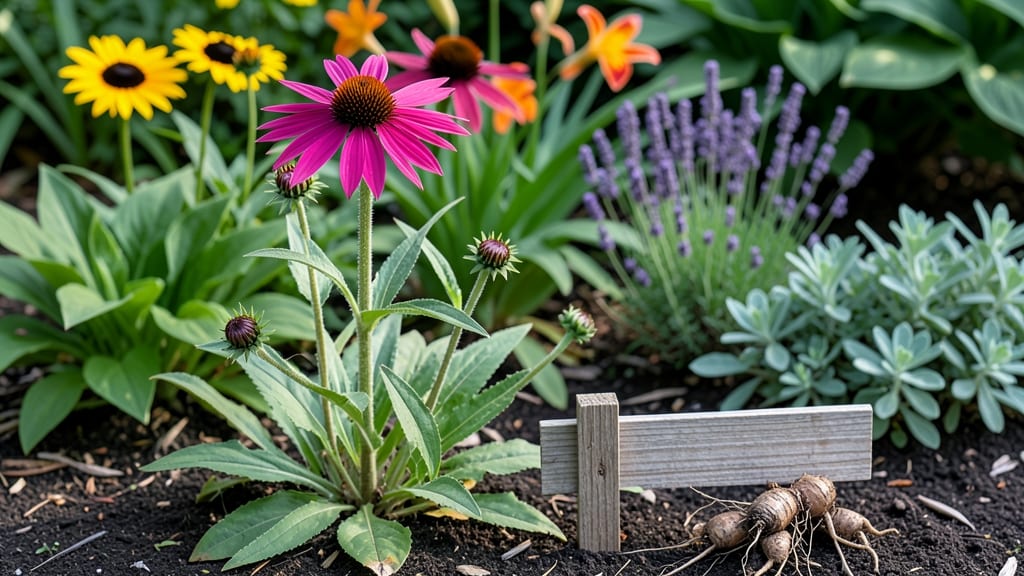
💥 Quick Answer A perennial plant is a flowering or non-flowering species that lives for more than two years, regrowing from the same root system annually after dying back in winter or dormancy periods. Unlike annuals or…
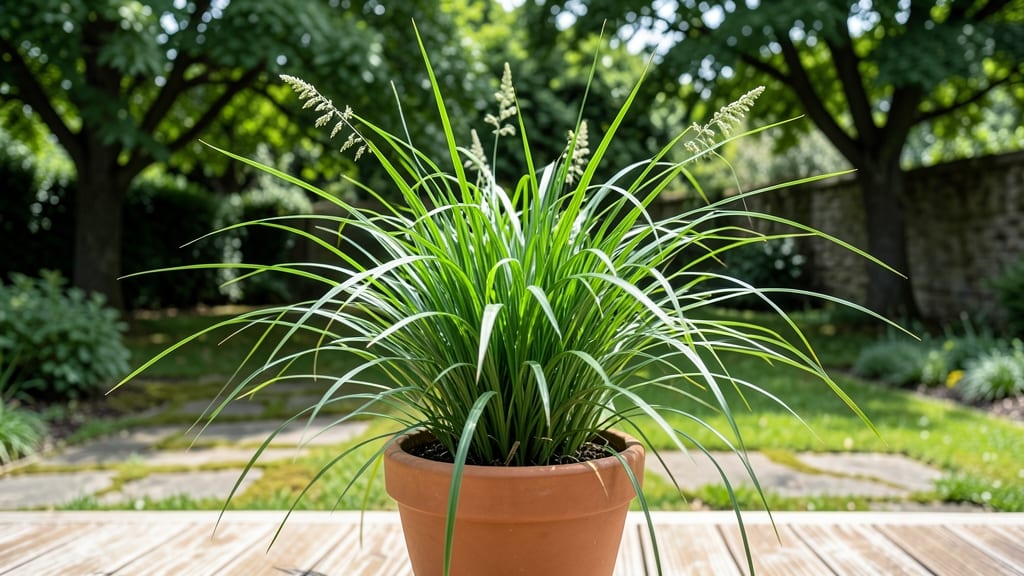
💥 Quick Answer Citronella behaves as a tender perennial in USDA zones 9-11, meaning it dies back to the ground during frost but regrows from its root system each spring with proper winter care. Citronella's perennial…
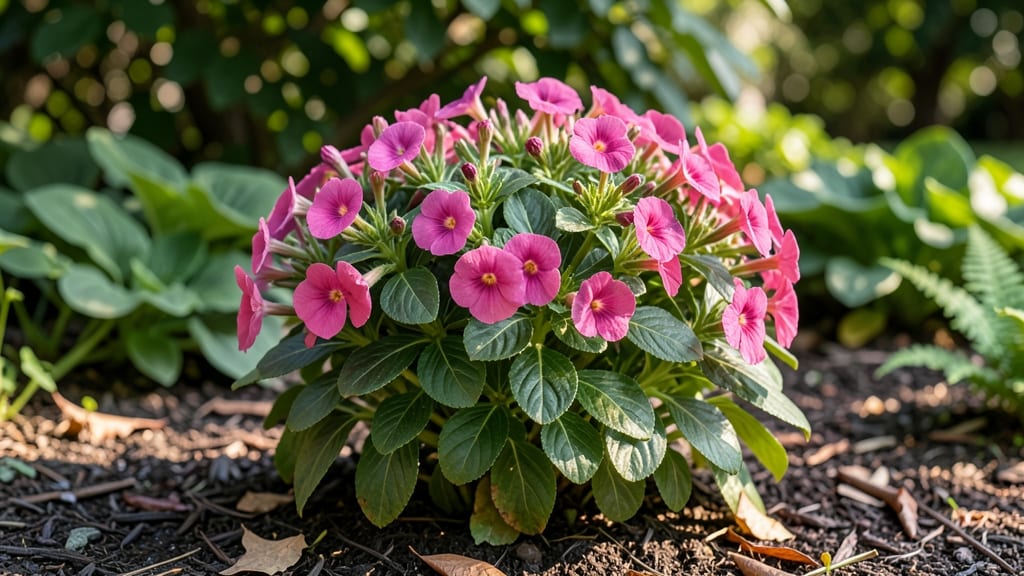
💥 Quick Answer Impatiens are not true perennials in most climates, as they die back to the ground after frost and do not regrow from the same roots annually. In USDA Zones 10-11, they may persist year-round, but in…
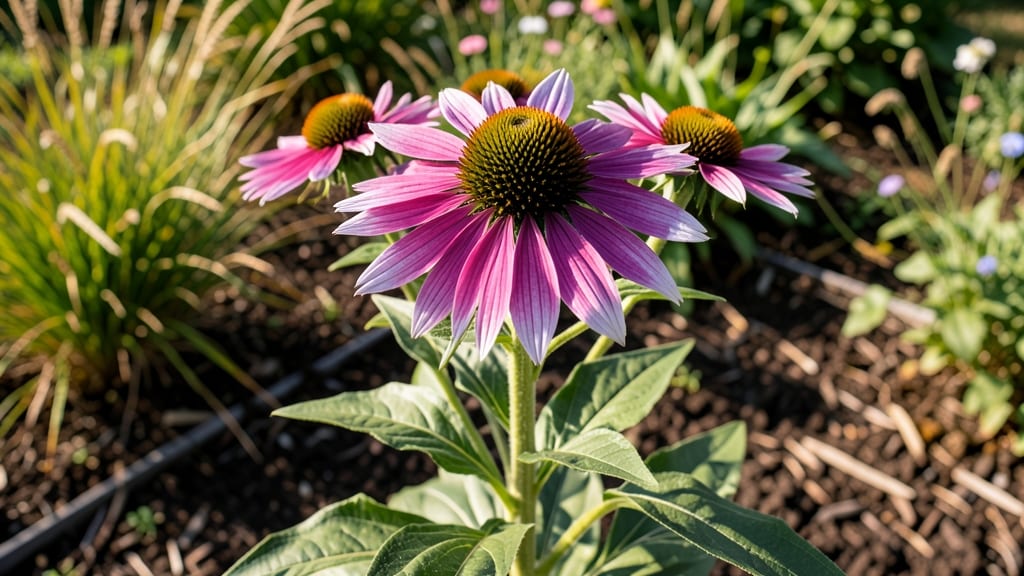
💥 Quick Answer Perennials are plants that return every year from the same root system, producing flowers and foliage annually without needing to be replanted, unlike annuals that live only one season. These hardy plants…
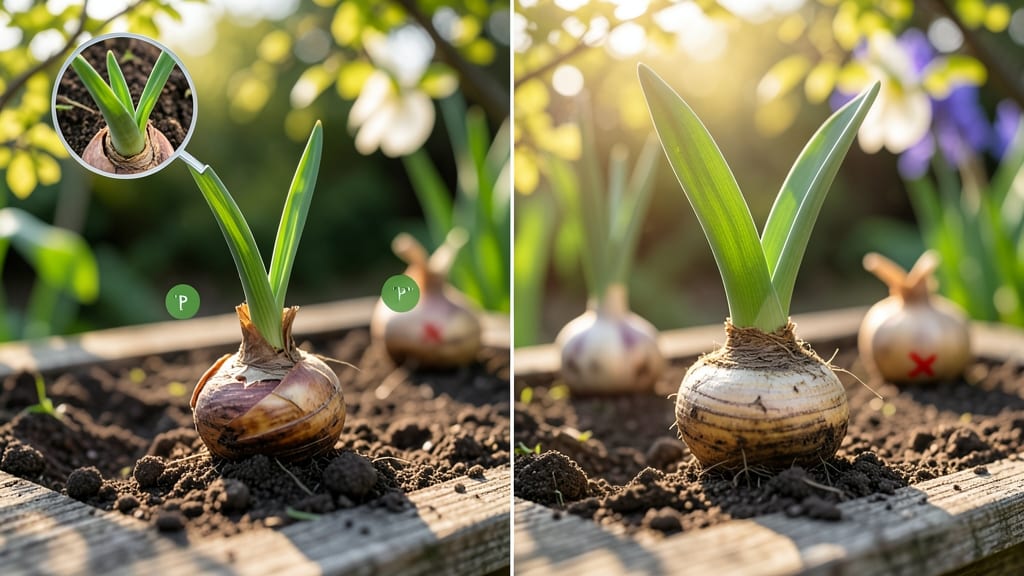
💥 Quick Answer Not all bulbs are perennials—some like tulips and daffodils return each year after dying back, while others such as onions or garlic complete their life cycle in just one or two seasons. True perennial…
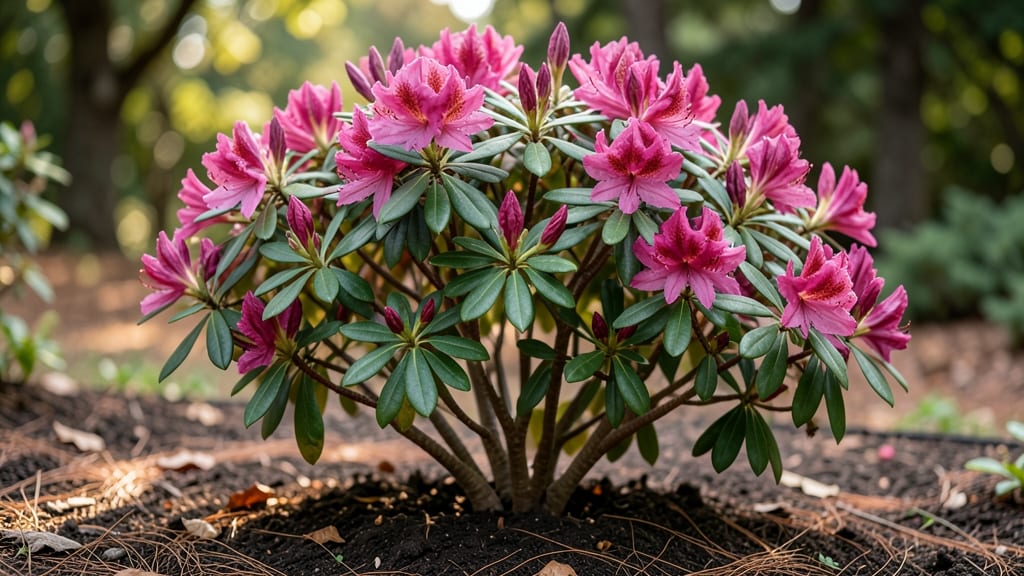
💥 Quick Answer Azaleas are perennials that lose leaves in winter but regrow each spring, thriving in cold climates with proper care. Their dieback is normal, not death, as roots and buds survive underground until warmer…
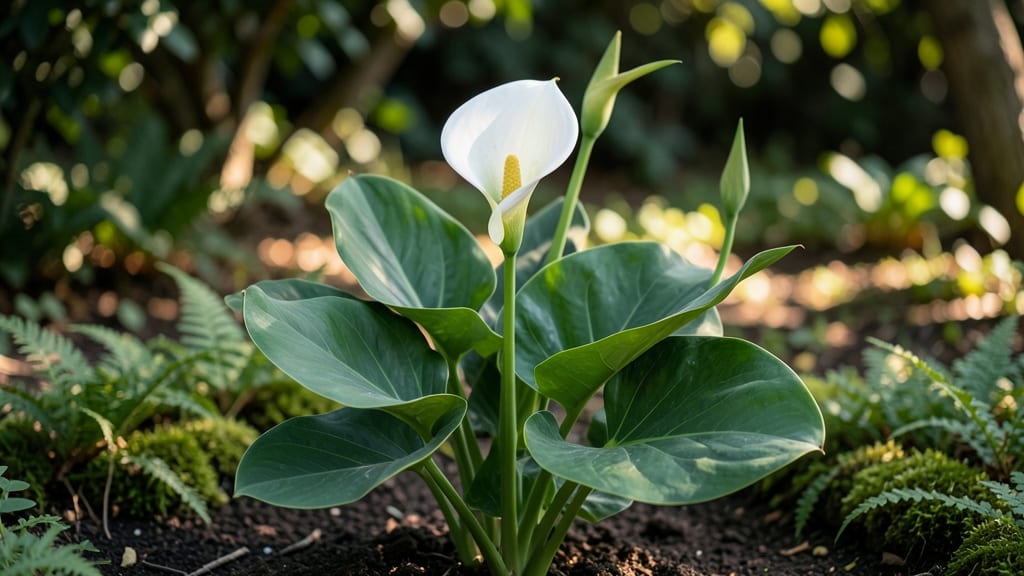
Growing calla lilies as perennials means bold, tropical-looking blooms that return every year with the right care. 🌿 I learned the hard way that treating them like annuals leads to disappointment—these plants can…
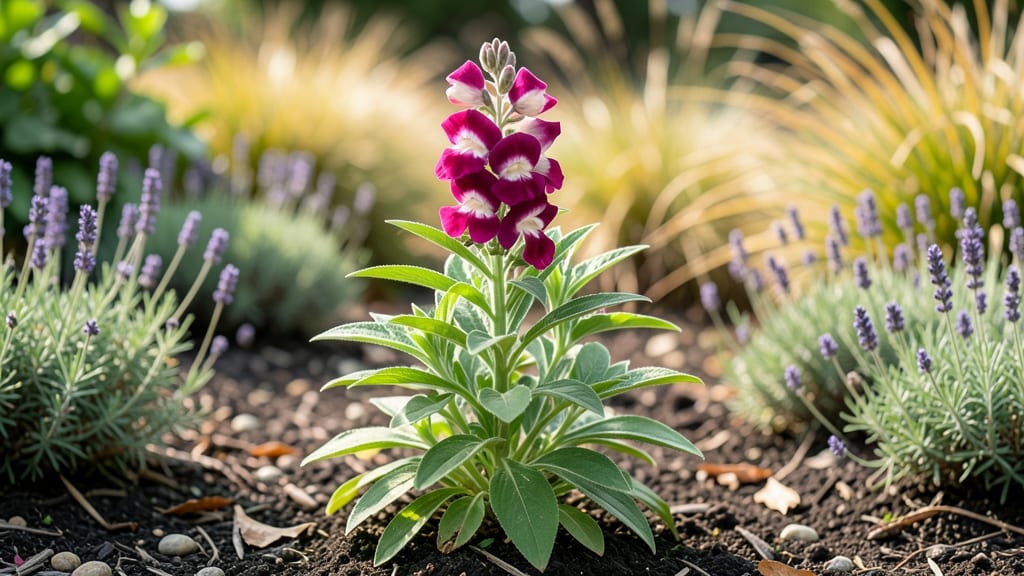
💥 Quick Answer Snapdragons are not perennial in most cold climates but thrive as annuals, though some varieties can survive mild winters in zones 7-11 with proper mulching and protection. Hardy snapdragons like…
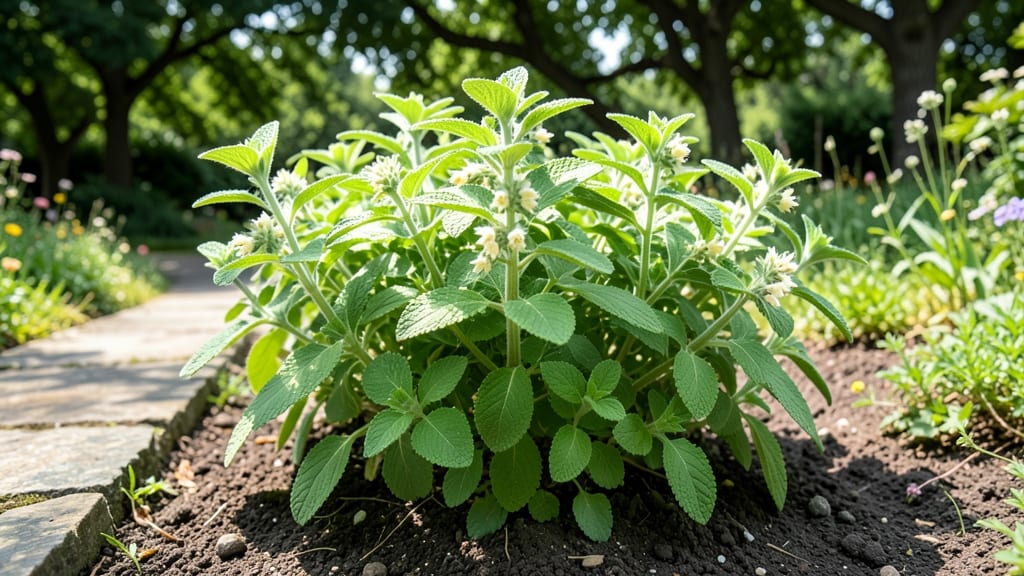
💥 Quick Answer Yes, lemon balm is a perennial herb that thrives in USDA hardiness zones 4 through 9, returning year after year with proper care, though it may die back in winter only to regrow in spring. Cold-hardy…
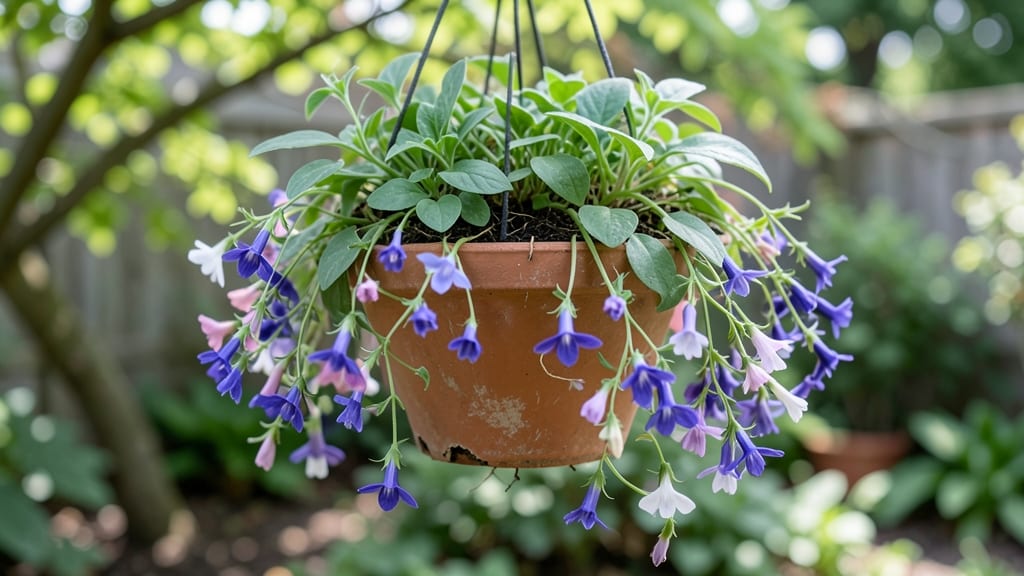
💥 Quick Answer Trailing perennials are plants that spread horizontally along the ground or climb upward, returning year after year without replanting thanks to their strong root systems and aggressive growth patterns…