I’ve been obsessed with plants since I was a kid, sneaking seeds from my mom’s garden to grow in old tin cans by the back porch. There’s something about watching something small turn into something alive that never gets old. This site is where I share the lessons I’ve learned—from the triumphs (that first tomato!) to the disasters (the time the squash vines took over the whole yard). I aim to make gardening approachable, whether you’re a beginner with a windowsill or a veteran with a full plot.
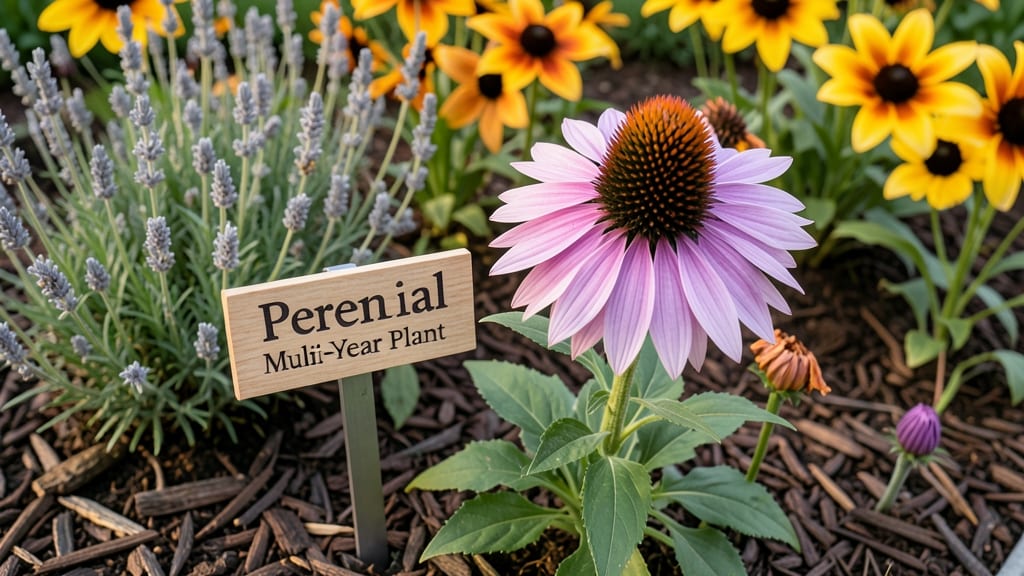
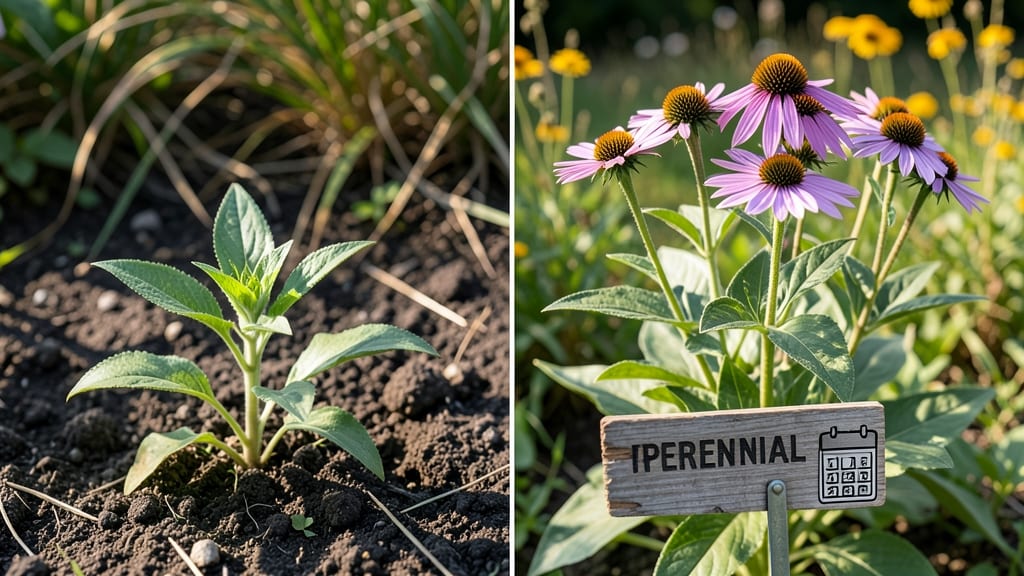
Meaning perennial flowers keep coming back every year—no replanting, no fuss, just reliable blooms that turn your garden into a showstopper. 🌸 Unlike annuals that fade after one season, these hardy plants grow from deep…
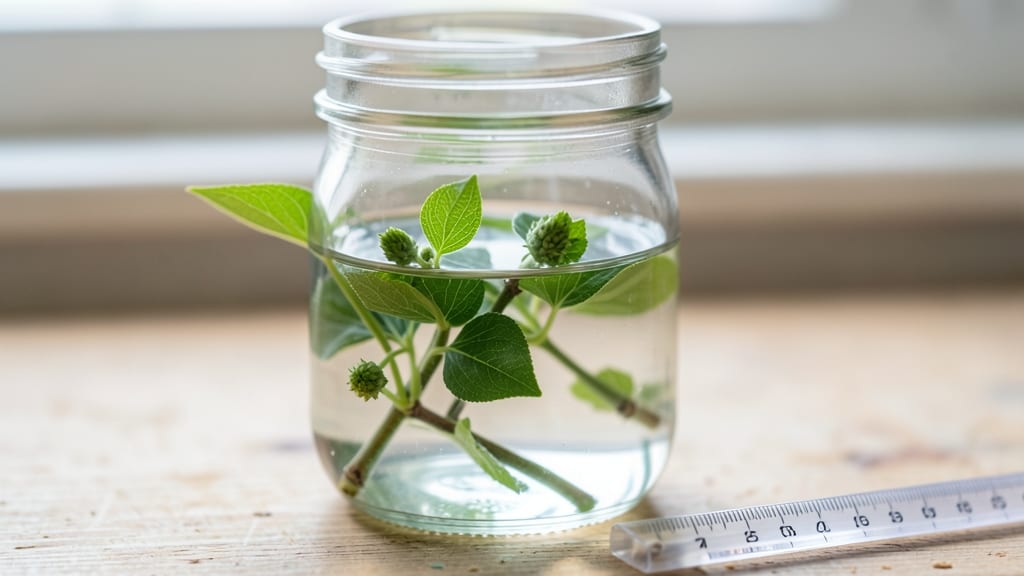
💥 Quick Answer Will dogwood cuttings root in water? Yes, but the process is less reliable than soil propagation, with flowering dogwoods ( Cornus florida ) typically achieving 50-70% success rates—while non-flowering…
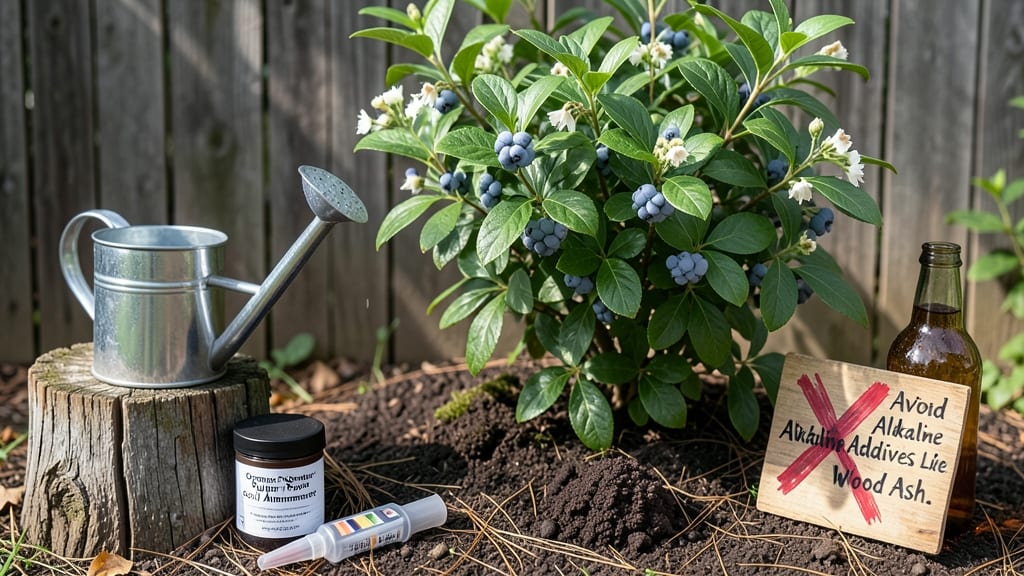
💥 Quick Answer Lowering pH in water for plants organically involves using white vinegar (1 tablespoon per gallon), lemon juice (1-2 teaspoons per gallon), or peat moss (1 cup steeped in 1 gallon). Always test pH…
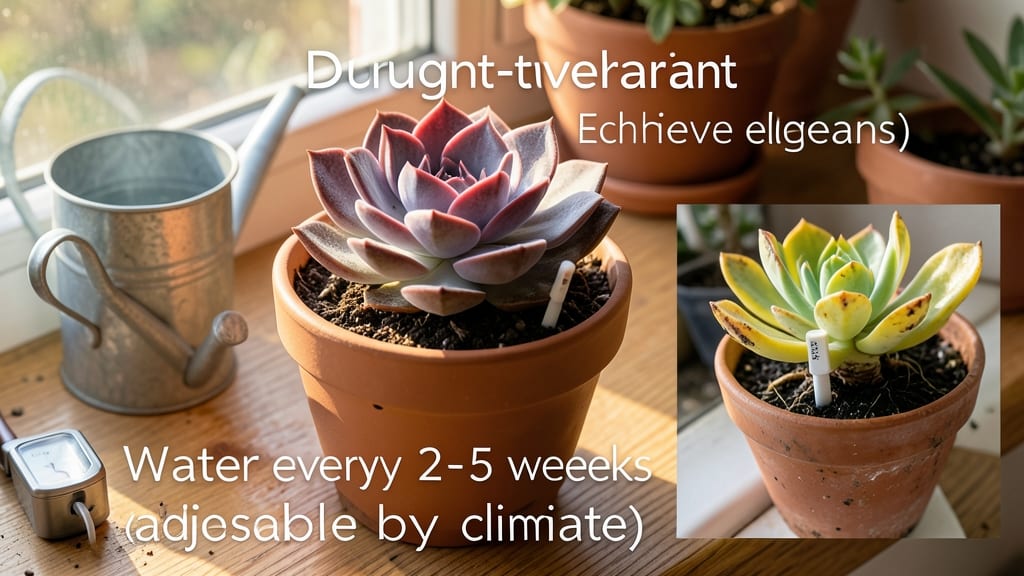
💥 Quick Answer Plants can survive without water for 2 to 14 days , depending on species, soil moisture, and environmental conditions. Succulents may last weeks, while tropical plants wilt within days. Monitor wilting…
💥 Quick Answer Sprouting orchids in water means growing keikis (baby plants) by cutting them from mature pseudobulbs and rooting them in distilled water until they develop strong roots, then planting them in orchid mix…
💥 Quick Answer Rosemary herb is a perennial in USDA hardiness zones 8–11, thriving year-round in mild climates. In colder zones, it dies back but regrows from roots if protected or replanted annually. Pruning and winter…
💥 Quick Answer Salvia is a perennial in warm climates (USDA Zones 7-11) but often treated as an annual in colder regions (Zones 3-6) due to frost sensitivity. Many varieties regrow yearly in mild winters with proper…
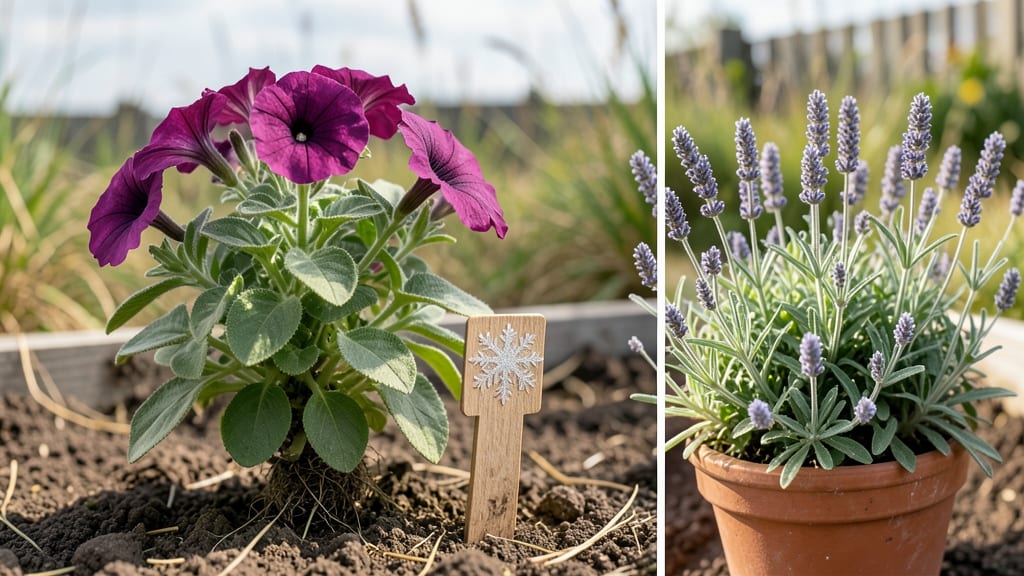
💥 Quick Answer Petunias aren't true perennials—they die back when frost hits and return from seed or cuttings the following spring. In warmer areas (USDA zones 10-11), they can act as tender perennials with proper…
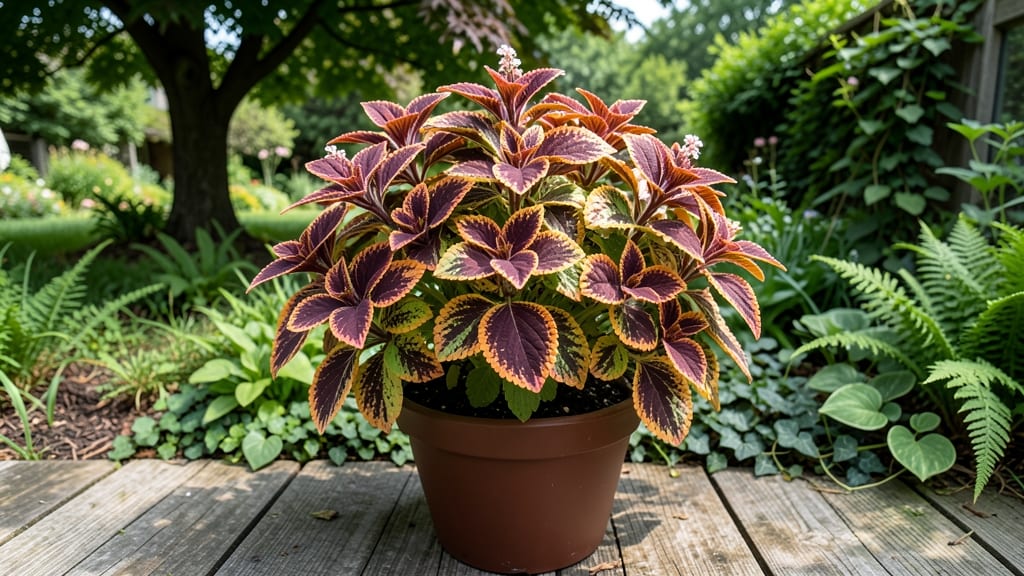
💥 Quick Answer Deciding whether coleus is annual or perennial depends on your climate: it thrives as a perennial only in USDA hardiness zones 10-12, where frost never occurs. In colder regions, it's typically grown as…
💥 Quick Answer Perennial plants mean they regrow from the same root system year after year, surviving winter dormancy or seasonal changes to bloom again without replanting, unlike annuals that complete their life cycle…