
How To
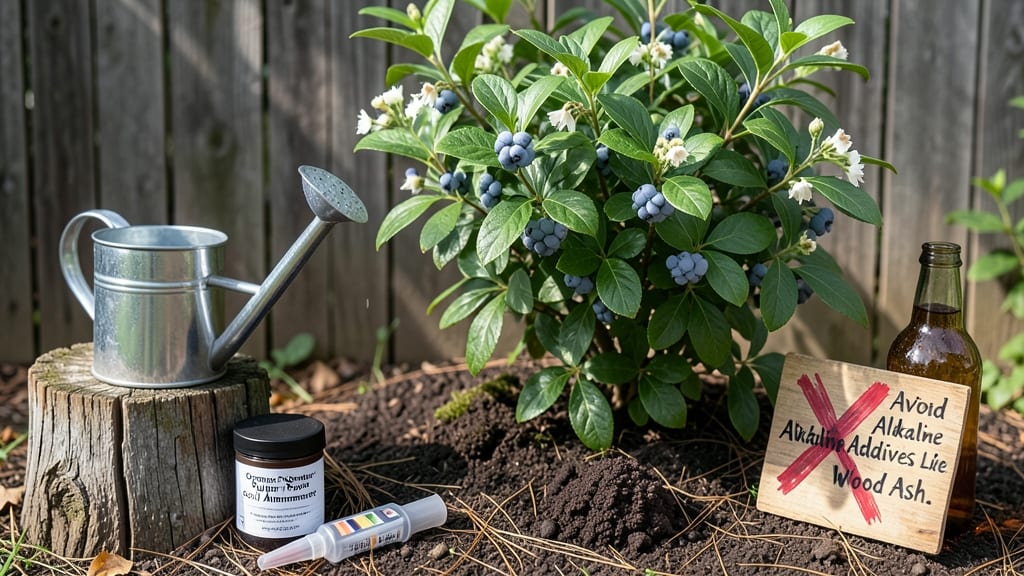
Lowering pH in water for plants organically involves using white vinegar (1 tablespoon per gallon), lemon juice (1-2 teaspoons per gallon), or peat moss (1 cup steeped in 1 gallon). Always test pH afterward, as excessive acidity can damage roots. Skip chemical additives for a natural gardening approach.
Organic pH adjustment works by introducing natural acids that temporarily lower water's alkalinity.
White vinegar's acetic acid and lemon juice's citric acid both dissolve quickly, making them ideal for fast fixes. 💧 For long-term soil changes, peat moss releases organic acids slowly as it breaks down—perfect for container plants or raised beds.
I’ve found that acid-loving plants like blueberries and azaleas thrive when their water’s pH stays between 4.5 and 5.5, but overdoing it can stunt growth or burn roots.
Testing is key—use a simple pH kit to monitor changes after each treatment. For example, hydrangeas need slightly acidic water (5.5-6.0) for vibrant blooms, while tomatoes prefer a neutral 6.0-7.0.
The goal is balance: too much acidity locks out essential nutrients like calcium and magnesium, even if your plants love lower pH. Always dilute organic acids first to avoid shocking plant systems.
💡 In This Article
- How Organic Acids Affect Soil and Plant Root Zones
- Step-by-Step Organic pH Adjustment Guide for Different Plants
How organic acids affect soil and plant root zones
When you add organic acids like white vinegar or lemon juice to water, you're introducing acetic acid and citric acid respectively—both weak acids that temporarily lower pH by donating hydrogen ions (H⁺) to the solution.
These molecules dissociate in water, creating a more acidic environment that mimics natural rainwater (pH 5.6). The key difference from chemical acids is their organic origin: vinegar's acetic acid comes from fermented sugars, while lemon juice's citric acid is a byproduct of citrus metabolism.
This means they break down harmlessly in soil over time, unlike synthetic acids that can leave toxic residues.
The impact on roots is immediate but nuanced. At optimal levels (pH 5.5-6.0), acidity enhances the solubility of essential micronutrients like iron and manganese, which become more available for uptake. For example, blueberry bushes need this acidity to access enough iron—their signature blue color fades when deprived.
However, push the pH below 4.5, and you risk aluminum toxicity, where roots absorb harmful levels of this metal.
The smell of sulfur-like compounds near roots often signals this problem. 🌱 Vinegar's pH drop is temporary (lasting 1-2 weeks), while peat moss provides gradual acidification as it decomposes, making it ideal for container plants where water changes frequently.
Microbial activity also shifts dramatically. Acid-loving bacteria and fungi thrive in lower pH environments, breaking down organic matter more efficiently.
This creates a positive feedback loop: more microbial activity produces natural acids (like humic acids), which further lowers pH. However, this process takes months to establish—unlike the instant effect of vinegar.
For houseplants in distilled water (pH 7.0), adding 1 teaspoon of lemon juice per gallon can restore microbial balance within days, preventing the sterile conditions that stunt growth.
Long-term soil chemistry changes depend on your method. Peat moss, for instance, can lower pH by up to 1.5 units over six months as it decomposes, while pine needles (another organic option) release tannins that acidify soil slowly. The trade-off?
Peat moss is non-renewable, while pine needles are sustainable. For gardeners using rain barrels (often pH 6.0-6.5), adding 1 tablespoon of vinegar per 5 gallons before watering mimics natural acid rain, which plants have evolved to expect in many ecosystems.
What most gardeners overlook is the buffering capacity of their soil. Sandy soils change pH quickly with organic acids, while clay soils resist changes due to their mineral content.
Test your soil's buffering capacity first: if it resists pH changes even after treatment, you may need to apply organic acids more frequently. For example, a clay-heavy garden might require double the vinegar dose compared to sandy loam to achieve the same pH drop.
Always monitor with a test kit—digital meters cost $15-$25 but give precise readings within 30 seconds.
One common mistake is assuming "more acid = better growth" for acid-loving plants. Azaleas, for instance, show signs of stress (yellowing leaves, stunted growth) when pH drops below 4.5, even though they prefer 5.0-5.5.
The sweet spot varies by plant: blueberries tolerate 4.5-5.5, while rhododendrons thrive at 4.5-6.0. This variability explains why gardeners often see mixed results—what works for one plant can harm another in the same soil. 🌿 The solution?
Tailor your approach by matching plant needs to your soil's natural pH range.