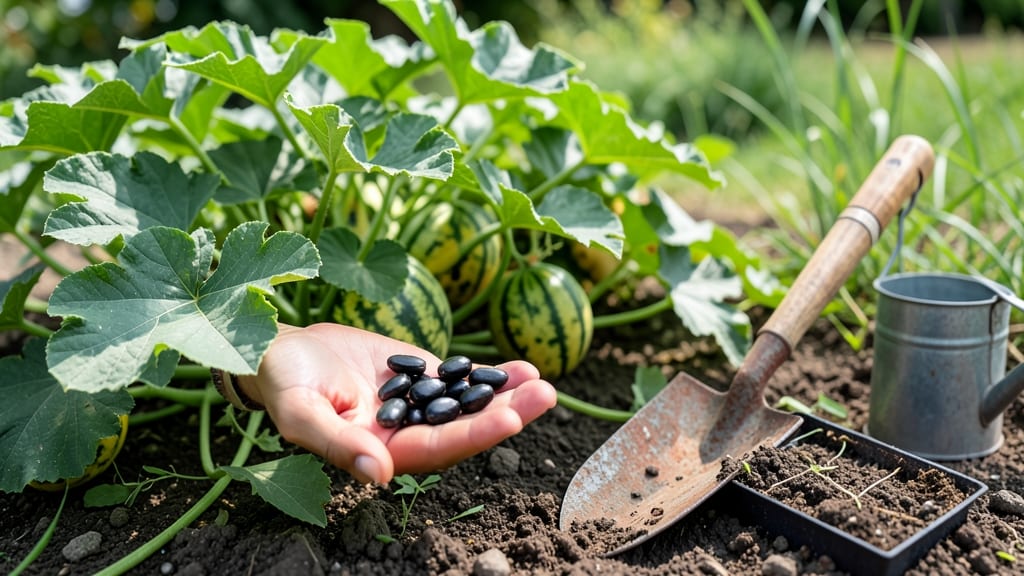
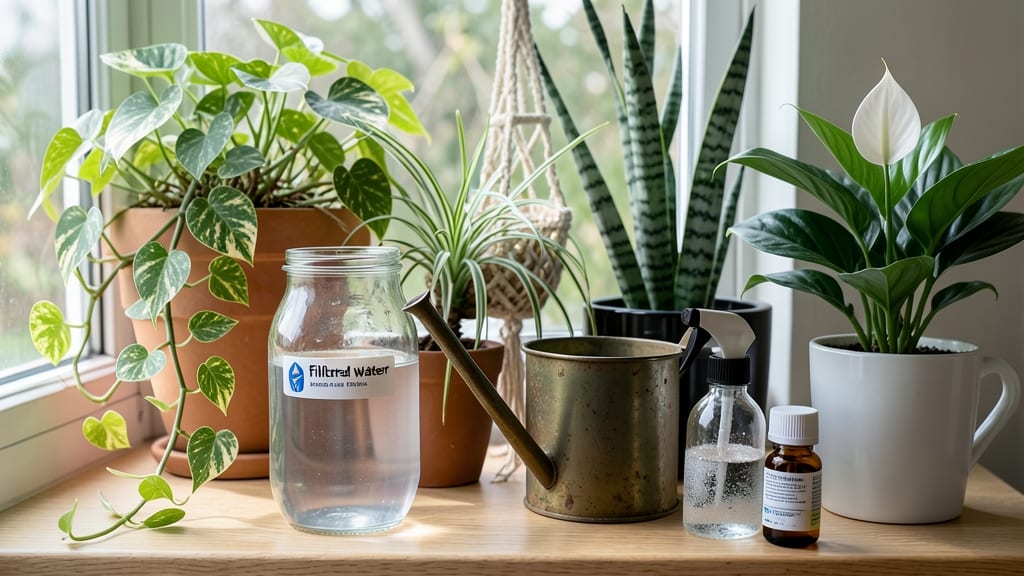
I’ve been obsessed with plants since I was a kid, sneaking seeds from my mom’s garden to grow in old tin cans by the back porch. There’s something about watching something small turn into something alive that never gets old. This site is where I share the lessons I’ve learned—from the triumphs (that first tomato!) to the disasters (the time the squash vines took over the whole yard). I aim to make gardening approachable, whether you’re a beginner with a windowsill or a veteran with a full plot.
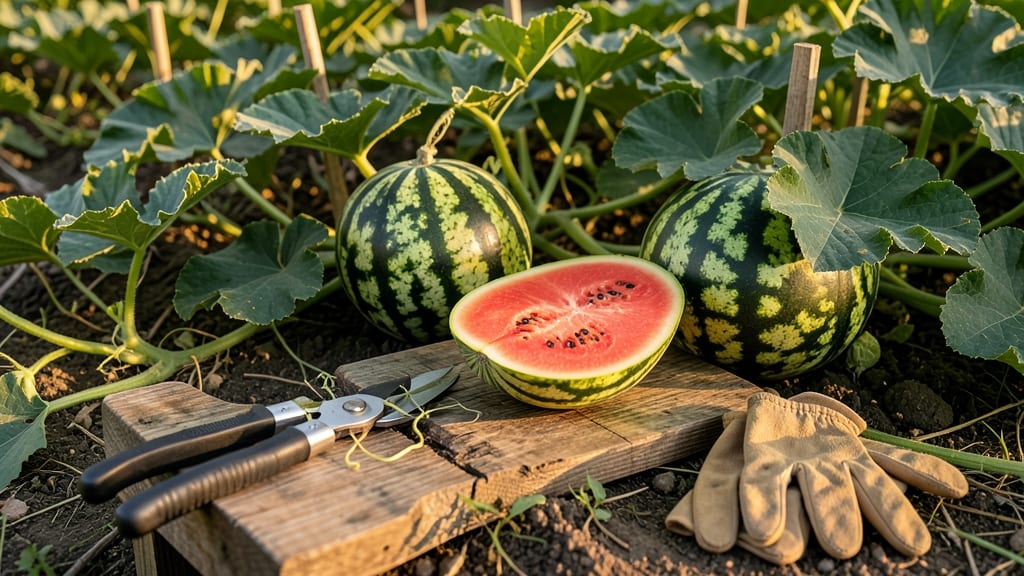
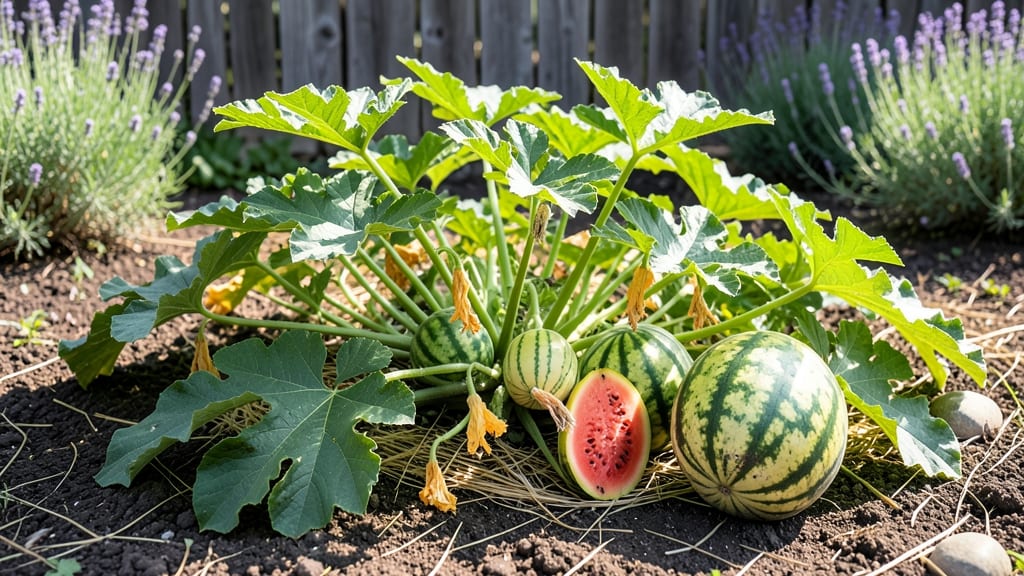
💥 Quick Answer How many watermelons per plant can you expect? A single watermelon plant typically produces 1 to 2 large watermelons per season, depending on variety, growing conditions, and pruning. Vining types may…
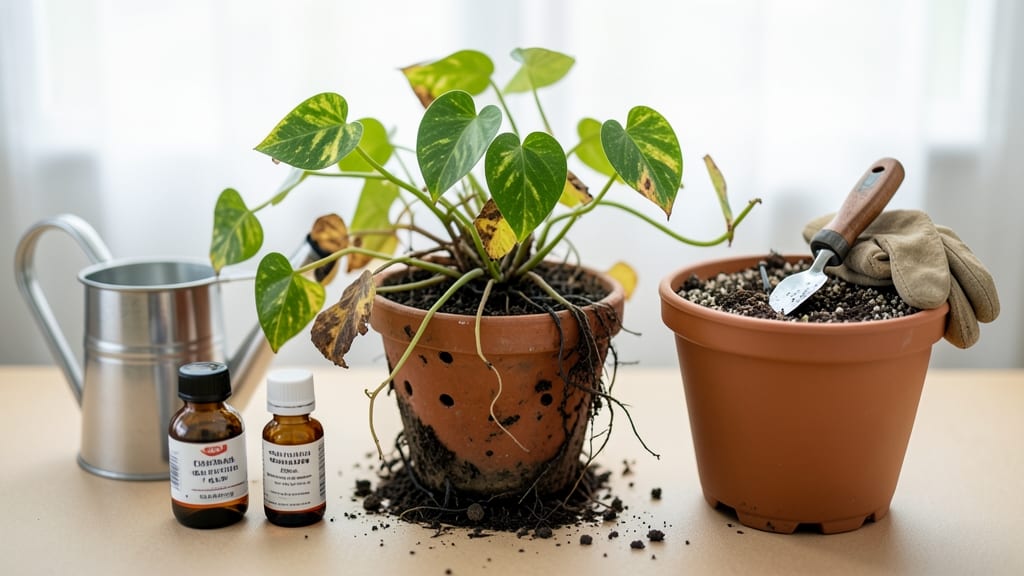
💥 Quick Answer You should repot an overwatered plant immediately when you notice root rot, foul-smelling soil, or persistent yellowing leaves—even if you've already improved drainage. The key is to act fast with fresh…
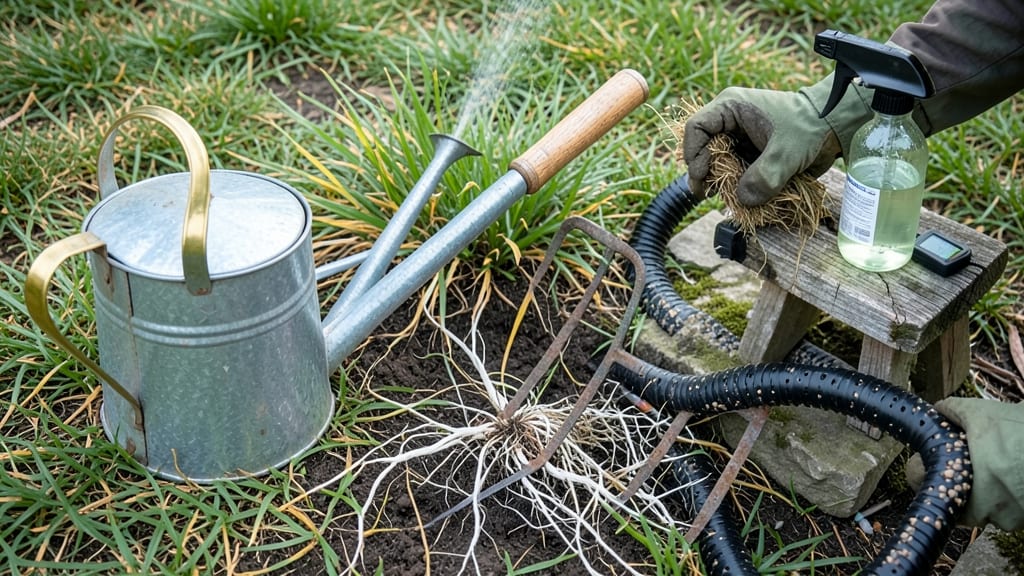
💥 Quick Answer Overwatered sod can recover if you address the issue quickly, but prolonged saturation often leads to permanent damage. Look for signs like yellowing blades, soft spots, or mold—these indicate whether…
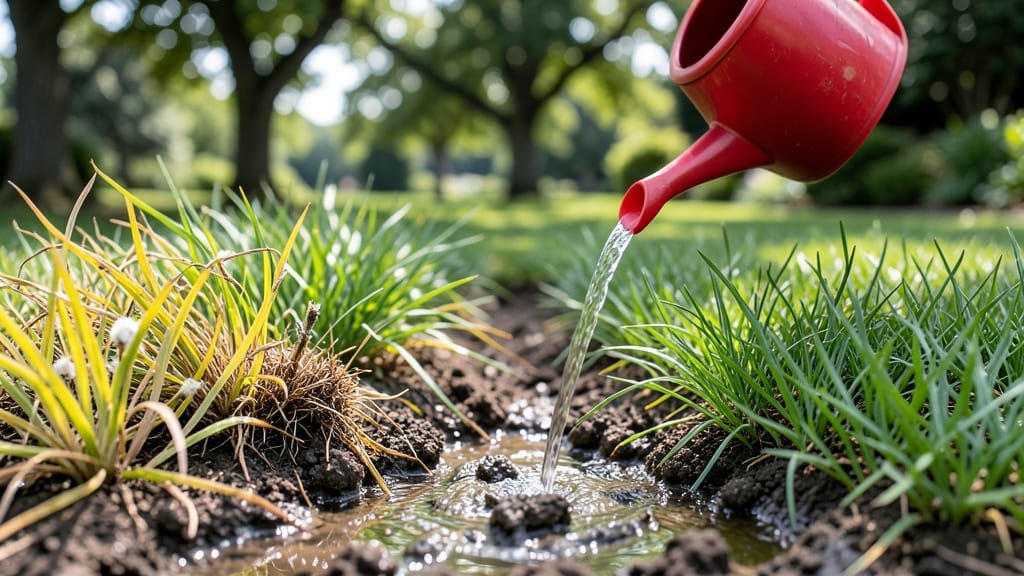
💥 Quick Answer Yes, grass can absolutely be overwatered, which weakens roots, promotes fungal diseases, and causes yellowing or spongy patches while wasting water. Signs include moldy smells, mushrooms, or grass pulling…
💥 Quick Answer Seedless watermelons are grown by cross-pollinating regular watermelon plants with special tetraploid varieties, creating triploid seeds that produce fruit without viable seeds. This advanced breeding…
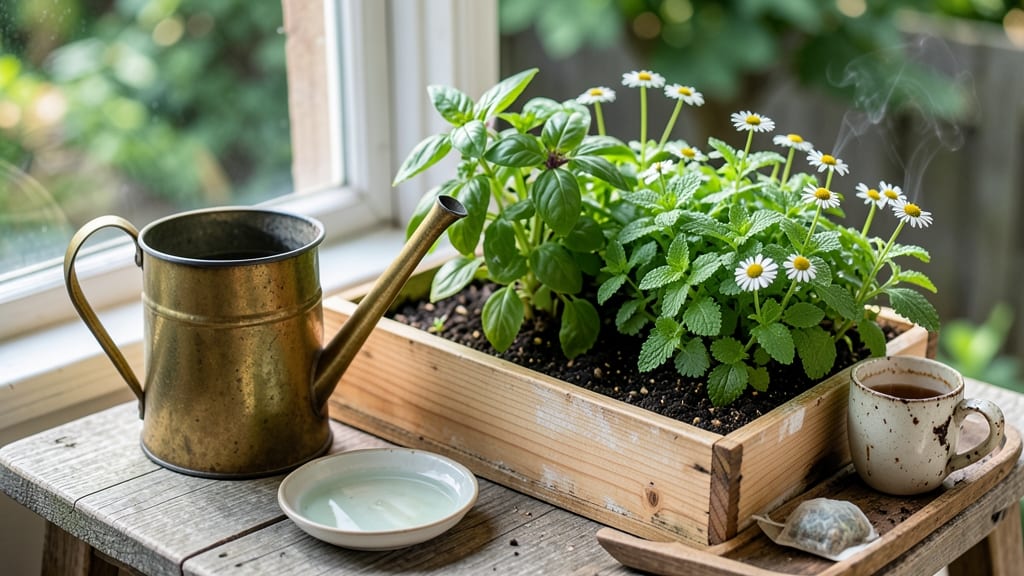
💥 Quick Answer Watering plants with tea can provide mild fertilizer benefits, especially for acid-loving plants like azaleas or rhododendrons, but overuse risks nutrient imbalance or mold growth. Use cooled, unsweetened…
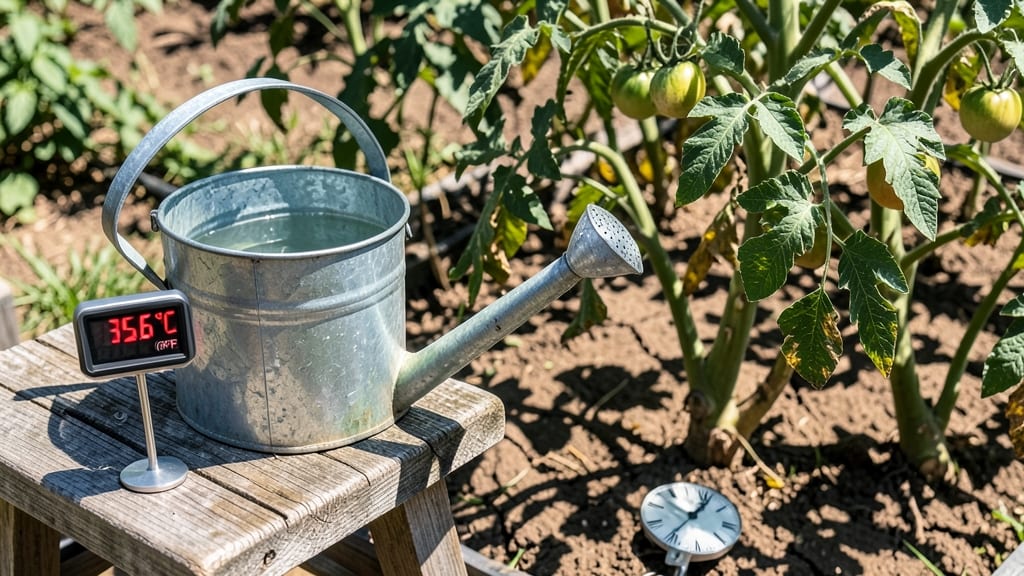
💥 Quick Answer The worst time to water plants is early morning because lingering moisture creates ideal conditions for fungal diseases like powdery mildew while rapid evaporation prevents roots from absorbing nutrients…
💥 Quick Answer Using soft water on plants can stunt growth because it lacks essential minerals like calcium and magnesium, but it does prevent salt and chlorine buildup that hard water causes. Most plants grow best with…
💥 Quick Answer Yes, you can plant watermelon seeds straight from the fruit, but ensure they’re fresh, clean, and from a ripe, healthy melon for the best germination success rates—typically 70-90% when stored properly…
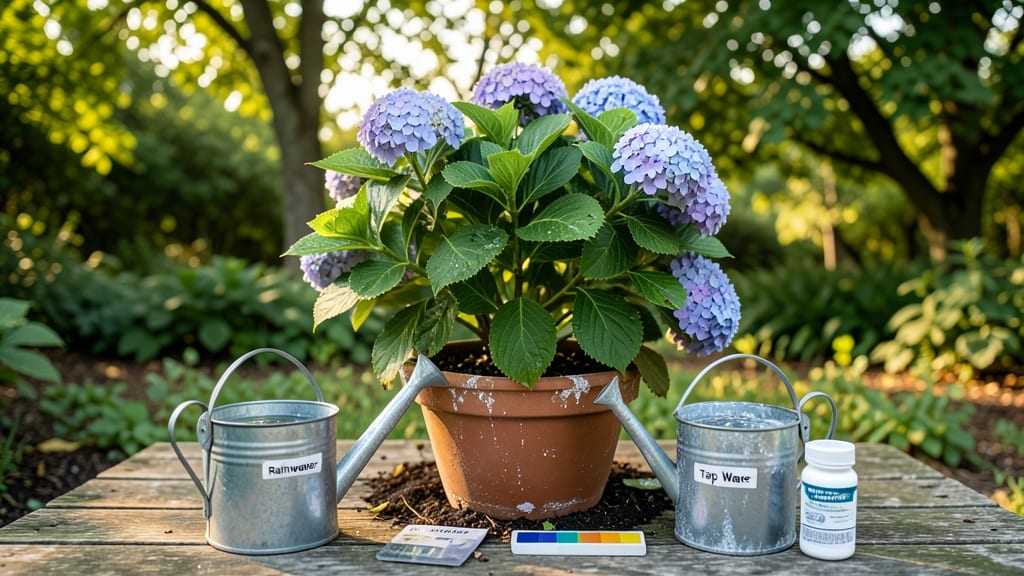
💥 Quick Answer Filtered water can be good for plants if it retains essential minerals like calcium, magnesium, and potassium, but tap water with chlorine or heavy metals may harm growth. Test water quality and…