
Plants
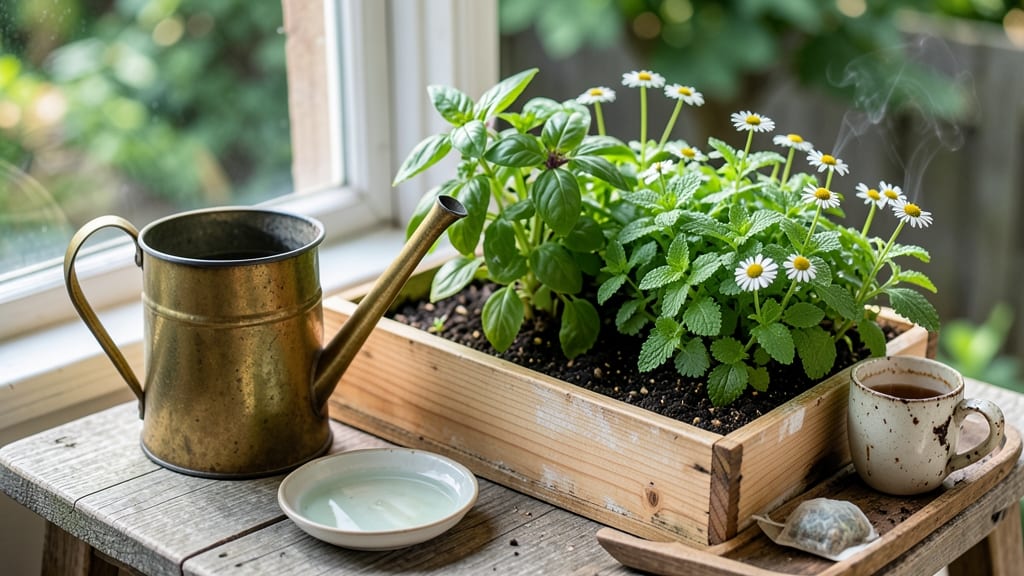
Watering plants with tea can provide mild fertilizer benefits, especially for acid-loving plants like azaleas or rhododendrons, but overuse risks nutrient imbalance or mold growth. Use cooled, unsweetened black or green tea sparingly—never as a primary water source.
Tea water contains natural compounds like tannins and caffeine that act as a gentle, slow-release fertilizer, particularly for plants that prefer slightly acidic soil conditions. 🌿 For example, azaleas and blueberries often respond well to this method because their roots thrive in pH levels around 5.0 to 5.5, similar to what brewed tea provides.
However, the caffeine content—though minimal—can act as a mild herbicide if overapplied, potentially harming sensitive plants like lettuce or basil.
The key to success lies in proper dilution and moderation. I recommend using cooled, unsweetened tea (no sugar or milk) and applying it no more than once every 2-4 weeks during the growing season.
For container plants, a 1:3 tea-to-water ratio works well, while larger garden beds can handle slightly stronger concentrations. Always test a small area first to monitor plant reactions.
If you're looking for a more balanced approach, consider alternatives like compost tea or diluted fish emulsion, which provide broader nutrient profiles without the risks of caffeine buildup. These options also support beneficial soil microbes, creating a healthier long-term environment for your plants.
💡 In This Article
- How Tea Water Affects Plant Growth and Soil Chemistry
- Best Tea Types and Safe Application Methods for Gardening
How tea water affects plant growth and soil chemistry
The magic of tea water for plants starts with its chemical composition. Brewed black or green tea contains tannins, caffeine, and trace minerals like nitrogen and potassium—all of which influence plant health differently.
Tannins act as natural fungicides, suppressing harmful soil microbes while promoting beneficial ones like mycorrhizal fungi that help roots absorb nutrients. The caffeine, though present in small amounts (about 0.05-0.1% of your morning cup), can stimulate root growth in some plants by mimicking natural plant hormones.
What truly sets tea water apart is its acidic pH, typically ranging from 4.5 to 5.5—ideal for plants like hydrangeas, gardenias, and blueberries that crave slightly acidic soils.
This pH shift can temporarily lower your garden soil's acidity, creating a microclimate perfect for these acid-lovers. 🌸 For example, azaleas grown in soil amended with tea water often produce more vibrant blooms because the lower pH unlocks aluminum and manganese nutrients that become plant-available.
However, this effect wears off quickly, so regular applications aren't necessary.
The real risk lies in overapplication, which can disrupt soil microbial balance. Tea's caffeine content, while beneficial in tiny doses, becomes problematic when concentrated. Studies show that more than 10% tea solution can inhibit seed germination in sensitive plants like tomatoes or peppers by altering cellular respiration.
The tannins also bind with iron and other essential nutrients, potentially causing deficiencies if used excessively—visible as yellowing leaves between veins (a classic sign of iron chlorosis).
Consider this comparison: A 1:5 tea-to-water dilution provides about 50-70 ppm nitrogen—similar to a weak compost tea—but lacks phosphorus and micronutrients found in balanced fertilizers. This is why tea water works best as a supplement, not replacement.
For container plants, the effects are more pronounced because there's less soil volume to dilute the tea's compounds. In larger garden beds, the tea's impact is more localized to the watered area.
One fascinating aspect is how tea water affects soil structure. The organic compounds in tea improve water retention in sandy soils by creating temporary hydrophobic layers around particles, while in clay soils, they help break up compaction.
This dual-action explains why tea water can simultaneously prevent drought stress and improve drainage in different soil types. The key is observing your plants' responses—healthy growth with darker green foliage suggests success, while wilting or brown leaf edges signals overuse.
For those curious about the science, the caffeine in tea (methylxanthine) actually triggers a mild stress response in plants similar to how they react to drought. This adaptive response can strengthen cell walls and improve drought tolerance in some species.
However, this benefit only applies to moderate applications—think of it like giving your plants a gentle workout rather than a marathon. 💪
The bottom line? Tea water is a low-cost, eco-friendly way to give certain plants a growth boost, but it's not a cure-all. The most successful gardeners use it as one tool in a larger nutrient strategy—pairing it with compost, mulch, and occasional balanced fertilizer for optimal results.