
Watering
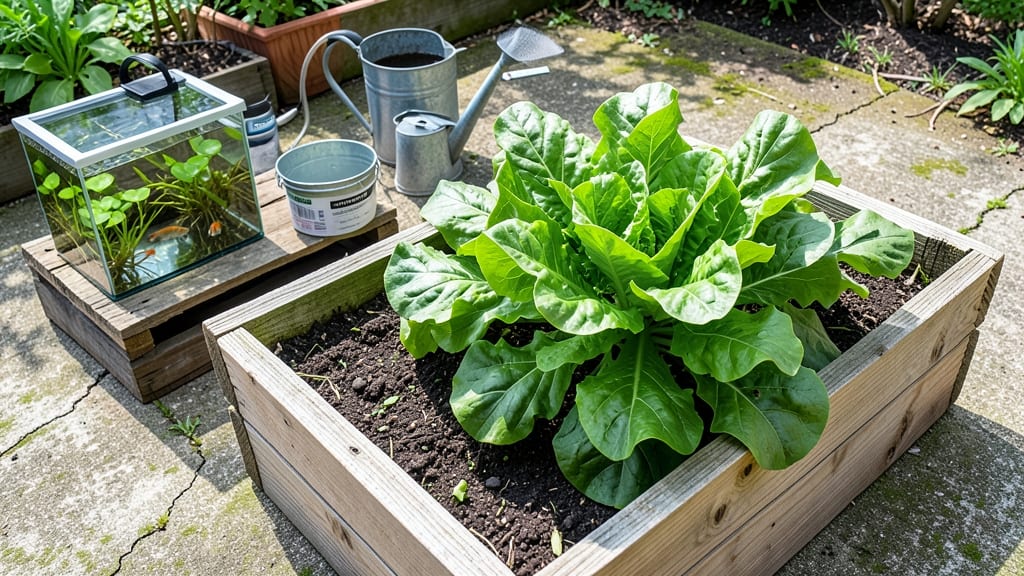
Watering plants with fish tank water can nourish them with natural nitrogen and phosphorus but requires careful handling to avoid over-fertilizing or introducing harmful bacteria. Always dilute and age the water first, then use sparingly to prevent root damage or algae buildup.
Fish tank water contains valuable nutrients from fish waste—like nitrates and phosphates—that act as natural fertilizers. 🌱 Unlike synthetic fertilizers, this "liquid gold" also introduces beneficial microbes that improve soil health. However, the concentration can vary wildly depending on tank size, fish species, and maintenance habits.
I've found that aging the water for 24-48 hours helps stabilize nutrient levels while reducing harmful bacteria risks. Start with a 1:3 ratio (water to tank water) and monitor plant response closely.
This method works best for plants that thrive in nutrient-rich environments, like aquatic varieties or fast-growing greens. 💛 For container gardens or houseplants, a small amount mixed into regular watering can give them a gentle nutrient boost without overwhelming their systems.
Just remember: what works for a lush aquarium plant might burn the roots of a delicate fern.
💡 In This Article
- How Fish Tank Water Fertilizes Plants Naturally
- Safe Ways to Use Fish Tank Water for Gardening
How fish tank water fertilizes plants naturally
Fish tank water acts like a natural liquid fertilizer because it contains dissolved nutrients from fish waste, uneaten food, and decomposing plant matter.
The primary nutrients are nitrates (from ammonia breakdown) and phosphates (from fish excretion), which are essential for leafy growth and root development. 🌿 For comparison, a typical fish tank produces about 10-50 parts per million (ppm) of nitrates—similar to a light synthetic fertilizer application.
Unlike chemical fertilizers, this nutrient mix also includes micronutrients like potassium, calcium, and trace minerals that support overall plant health.
The real magic happens with the microbial community. Fish tanks develop beneficial bacteria that break down waste into plant-available forms, creating a self-sustaining ecosystem. These microbes also suppress harmful pathogens, which is why many aquarium plants grow more vigorously in tank water than in tap water alone.
The organic matter in tank water also improves soil structure by enhancing water retention and aeration—something synthetic fertilizers can't replicate. 💧 However, the nutrient balance varies dramatically: a heavily stocked tank with uneaten food will produce much higher nutrient levels than a sparsely populated one with clean water changes.
This natural fertilization process works best for plants that thrive in nutrient-rich environments. Aquatic plants like water lettuce or hornwort absorb these nutrients directly, while houseplants such as pothos or spider plants benefit from the diluted version.
The key difference from synthetic fertilizers is the gradual, organic release of nutrients rather than an immediate chemical spike. This mimics natural ecosystems where nutrients are slowly cycled through decomposition—a process that builds long-term soil fertility rather than providing short-term growth bursts.
There's a catch, though: the nutrient concentration can become overwhelming. A tank with high fish density or recent feeding might contain 50-100 ppm nitrates, which could cause leaf burn or root damage if used undiluted.
The microbial community also includes some bacteria that, while beneficial in controlled amounts, can become problematic if introduced to garden soil in large quantities. This is why aging the water for 24-48 hours helps stabilize both nutrient levels and microbial populations before use.
Think of fish tank water as a slow-release, organic fertilizer cocktail. It provides a balanced mix of primary and secondary nutrients without the harsh chemical residues found in many commercial products.
The micronutrients present support cellular functions that synthetic fertilizers often overlook, leading to healthier overall plant development. 🌱 For example, the calcium in tank water helps strengthen cell walls, while trace minerals like iron prevent chlorosis (yellowing leaves) in nutrient-hungry plants.
One fascinating aspect is how this method encourages beneficial fungal relationships. The mycorrhizal fungi that form symbiotic relationships with plant roots thrive in environments with balanced organic nutrients—exactly what aged fish tank water provides.
These fungi extend the plant's root system, improving nutrient and water uptake. This is particularly valuable for container-grown plants or those in poor-quality soil where root development is limited.