
Plants
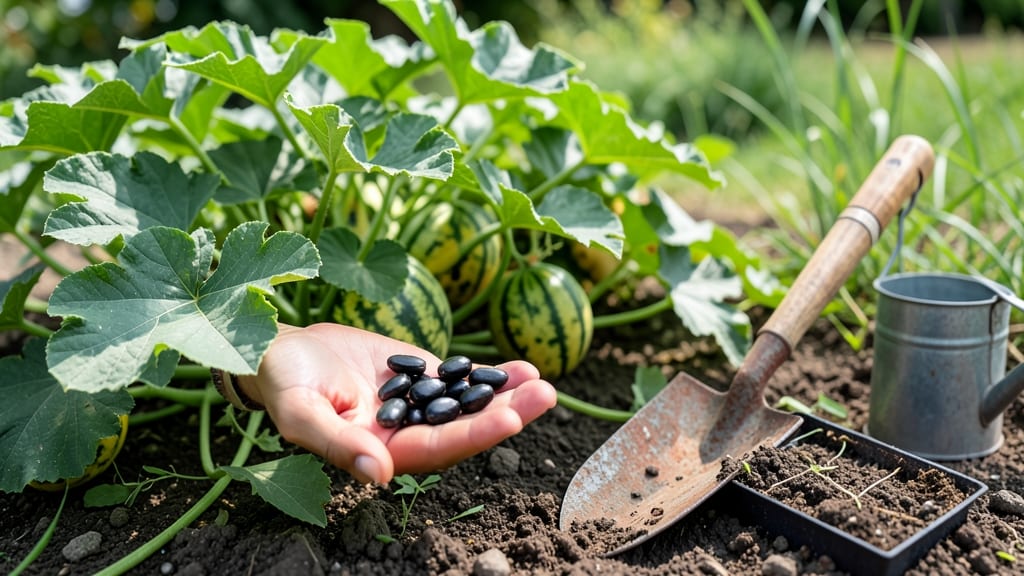
Yes, you can plant watermelon seeds straight from the fruit, but ensure they’re fresh, clean, and from a ripe, healthy melon for the best germination success rates—typically 70-90% when stored properly before planting.
Planting watermelon seeds directly from the fruit is a budget-friendly way to grow your own vines, but success depends on seed viability and preparation. 🌱 Seeds from store-bought melons often yield lower germination rates because they’re bred for flavor, not vigor.
For best results, I recommend using seeds from heirloom or organic melons, which tend to be more robust. The key is to extract seeds immediately after cutting open the fruit, then rinse them thoroughly to remove pulp—this prevents mold and encourages faster sprouting.
Once cleaned, let the seeds air-dry for 24-48 hours before storing them in a cool, dark place. If you’re planting right away, bury them 1 inch deep in well-draining soil after the last frost, spacing them 6-12 inches apart.
Watermelons thrive in warm soil, so consider using black plastic mulch to speed up germination. With proper care, you’ll see sprouts within 7-14 days, setting the stage for a bountiful harvest.
💡 In This Article
- Watermelon Seed Germination Science: Why Freshness Matters
- Step-by-Step Guide: Preparing and Planting Watermelon Seeds from Fruit
Watermelon seed germination science: why freshness matters
Watermelon seeds begin losing viability the moment they're extracted from the fruit. The seed's outer shell contains natural oils that protect its embryo, but these oils break down over time when exposed to air and light.
Fresh seeds from a fully ripe melon (with a creamy texture and sweet aroma) have germination rates as high as 90%, while seeds stored for just 3 months drop to 50-70%.
The key factor is moisture retention—the pulp surrounding seeds contains enzymes that accelerate degradation if not removed promptly.
Biologically, watermelon seeds enter a state called "after-ripening" when harvested early. This means they require additional time to reach full germination potential, even if planted immediately.
For best results, I recommend using seeds from melons that have been on the vine for at least 30 days past their color change—this ensures the seed's food reserve (endosperm) has fully developed.
The seed's moisture content should be between 10-15% at planting; higher levels cause rot, while lower levels prevent sprouting.
Temperature also plays a critical role in seed longevity. Watermelon seeds stored at 40-50°F maintain viability for up to 6 months, while room temperature storage (70-75°F) reduces this to just 2-3 months.
The ideal storage method is to place cleaned, dried seeds in a sealed container with silica gel packets to absorb excess moisture. This mimics the dry conditions seeds experience in nature during dormancy periods.
What most gardeners overlook is the seed's natural dormancy mechanism. Watermelon seeds contain a chemical called abscisic acid that inhibits germination until conditions are optimal.
This means even fresh seeds may take 5-7 days longer to sprout if planted in cool soil (55°F) compared to warm soil (80-85°F).
The good news is that this dormancy can be broken by soaking seeds in warm water (85°F) for 12 hours before planting—this mimics natural rainfall triggers.
For visual learners, imagine this: A freshly extracted watermelon seed looks plump and slightly glossy, with a creamy white interior when cut open. After 2 weeks of improper storage, the seed's outer shell becomes dull and may develop a faint grayish tint—this is your first warning sign of reduced viability.
The seed's weight also drops by 15-20% as moisture evaporates, making it less capable of sustaining the young seedling's early growth.
Here's a pro tip: If you're saving seeds from store-bought melons, choose varieties labeled "seedless" with caution—they're often hybridized to be sterile. For home gardening, heirloom varieties like 'Moon and Stars' or 'Crimson Sweet' produce seeds with 85-90% germination rates when handled properly.
The difference in seed quality between commercial and heirloom varieties is like comparing a 100-watt bulb to a 40-watt bulb—both work, but one shines brighter.