
Watering
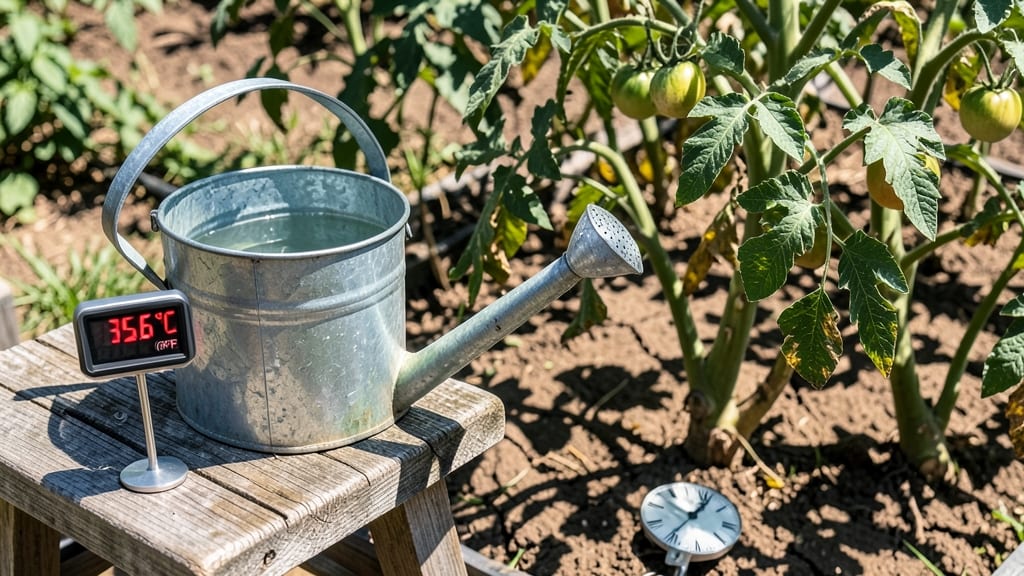
The worst time to water plants is early morning because lingering moisture creates ideal conditions for fungal diseases like powdery mildew while rapid evaporation prevents roots from absorbing nutrients effectively. Late afternoon or evening watering works far better for most gardens.
The morning dew already provides enough moisture for many plants, so adding water creates a damp, stagnant environment on leaves and soil. 🌱 This humidity buildup gives fungal spores the perfect breeding ground, especially in warm climates where temperatures rise quickly.
I've seen firsthand how morning watering can turn lush foliage into a powdery mildew disaster within days. The real issue isn't just the fungal risk—it's how roots get stressed when water evaporates before they can soak it up, leaving plants thirsty before they've even had a chance to drink.
What's interesting is how this plays out differently across regions. In dry climates like the Southwest, morning watering might seem logical since evaporation rates are high, but the heat actually burns delicate leaves while the water sits.
Meanwhile, in humid Southeast gardens, that same morning moisture becomes a fungal magnet. The key is matching your watering schedule to your local climate patterns rather than following a one-size-fits-all approach.
💡 In This Article
- Why Morning Watering Harms Plant Health
- Optimal Plant Watering Times by Climate Zone
Why morning watering harms plant health
Morning watering creates a double-edged problem for plants: fungal growth and root stress. When you water in the early hours, the moisture lingers on leaves as temperatures rise—this prolonged dampness gives fungal spores like powdery mildew the perfect environment to thrive.
The spores need just 6-12 hours of leaf wetness to germinate and infect plants, which is exactly what morning watering provides in most climates. 🌱 What's worse is that these fungi don't just discolor leaves; they block sunlight absorption, reducing photosynthesis by up to 30% in severe cases.
The root system suffers too from temperature fluctuations. Morning water often evaporates quickly because daytime heat accelerates the process—sometimes losing 50% of moisture within 2 hours in hot climates. This rapid evaporation leaves roots thirsty before they've absorbed enough water, creating what gardeners call "root shock."
The stress response triggers wilting even when the soil appears moist. I've seen this happen with tomatoes where morning watering led to blossom-end rot despite adequate soil moisture, because the plants couldn't keep up with the evaporative demand.
Another critical factor is nutrient uptake efficiency. When water evaporates too quickly, it creates a surface crust that prevents oxygen from reaching roots—a condition called hypoxia. Roots need oxygen to process nutrients, and this disruption can reduce nutrient absorption by 40% or more immediately after watering.
The irony? Plants often appear healthy on the surface while silently starving underground. This is why morning watering can lead to yellowing leaves even when the soil looks properly hydrated.
Consider the leaf surface too. Morning water droplets act like tiny magnifying glasses, focusing sunlight and potentially burning tender foliage. I've observed this with basil plants where morning watering created brown spots within 3-4 hours of watering, despite the plant's natural heat tolerance.
The combination of water droplets and intense morning sun creates a thermal shock that weakens cell walls, making plants more susceptible to both fungal infections and physical damage.
What makes this particularly problematic is how these issues compound over time. A single morning watering might seem harmless, but repeated sessions create a cycle of stress: fungal pressure builds, roots struggle to absorb nutrients, and plants become increasingly vulnerable to environmental factors.
The cumulative effect is what often leads gardeners to think their plants are "picky" about water when the real issue is the timing. 💧
Interestingly, the damage isn't just about quantity—it's about the timing of evaporation relative to plant metabolism. Most plants have their peak metabolic activity during daylight hours, meaning they need consistent moisture availability when they're actively growing.
Morning watering often provides this moisture at the wrong time, creating a mismatch between water availability and plant demand that throws off the entire growth cycle.