
Advice
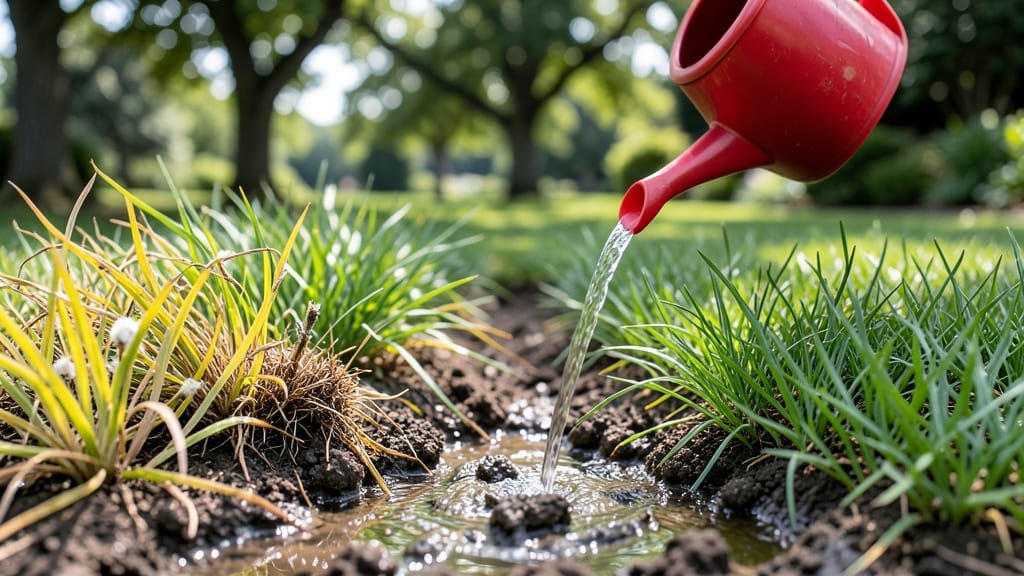
Yes, grass can absolutely be overwatered, which weakens roots, promotes fungal diseases, and causes yellowing or spongy patches while wasting water. Signs include moldy smells, mushrooms, or grass pulling away from soil—fix by improving drainage and adjusting watering schedules to 1-1.5 inches per week, depending on climate and soil type.
Overwatering grass creates a hidden problem most homeowners miss: suffocated roots. When soil stays soggy, oxygen can't reach the roots, forcing them to struggle for survival. 🌱 This stress makes grass more vulnerable to diseases like brown patch or dollar spot, which thrive in damp conditions.
I've seen lawns go from green and vibrant to patchy and weak just because someone watered every day without checking soil moisture first.
What's surprising is how quickly damage happens—sometimes within days. Excess water also leaches away essential nutrients, leaving grass malnourished. The key is checking soil moisture before watering: stick your finger 2-3 inches deep.
If it feels damp, wait another day. Most lawns only need watering when they show signs of wilting or when footprints remain visible for more than a few minutes.
💡 In This Article
- How Overwatering Damages Grass Roots and Soil
- Optimal Watering Schedules for Healthy Grass Types
How overwatering damages grass roots and soil
When you water grass too frequently, the soil becomes saturated, creating an environment where roots can't breathe. Grass roots need oxygen to function properly—just like humans need air to survive. In waterlogged soil, oxygen levels drop dramatically, forcing roots to switch to anaerobic respiration, which produces harmful byproducts like ethanol.
This chemical buildup damages root cells over time, weakening the entire plant's ability to absorb water and nutrients. 🌱
The damage doesn't stop at the roots. Excess moisture creates perfect conditions for anaerobic bacteria to thrive, which break down organic matter in the soil at an accelerated rate. This process releases nutrients like nitrogen too quickly, making them unavailable to the grass.
Worse yet, it creates acidic conditions that further stress plant roots. Studies show that soil pH can drop below 6.0 in chronically overwatered lawns, creating an ideal breeding ground for fungal pathogens like brown patch or dollar spot.
You'll often see visible signs of this damage before it's too late. Grass blades may develop yellow or brown patches that feel spongy when pressed—a clear indication of root rot. The soil itself might emit a musty odor, similar to wet cardboard, which signals microbial activity gone wrong.
In extreme cases, grass blades pull away easily from the soil, revealing a weak root system that can't anchor the plant. This is your lawn's way of crying for help—literally.
Another critical factor is how water affects soil structure. Clay soils, which are common in many yards, become compacted when overwatered, reducing pore space where air and water should move freely.
Sandy soils, while better at drainage, can still develop perched water tables where water pools just below the surface, creating dead zones where roots can't grow. The result? Grass that looks green on top but has a shallow, brittle root system beneath. 💧
What makes this problem particularly insidious is how subtle the early signs can be. Many homeowners don't realize they're overwatering until they see mushrooms sprouting in their lawn—a classic sign of excess moisture. These fungi thrive in wet conditions, outcompeting grass for nutrients and space.
The key is to water deeply but infrequently, allowing the top 3-4 inches of soil to dry out between waterings. This encourages roots to grow deeper in search of moisture, creating a more resilient lawn.
Consider this: a healthy lawn's root zone should extend 6-12 inches deep, but overwatering often keeps roots confined to the top inch of soil. When you finally notice problems, it's usually because the damage has been building for weeks or even months.
The good news? With proper adjustments, grass can recover—if you catch it early enough. The first step is always checking soil moisture before reaching for the hose. 💡