
Flowers
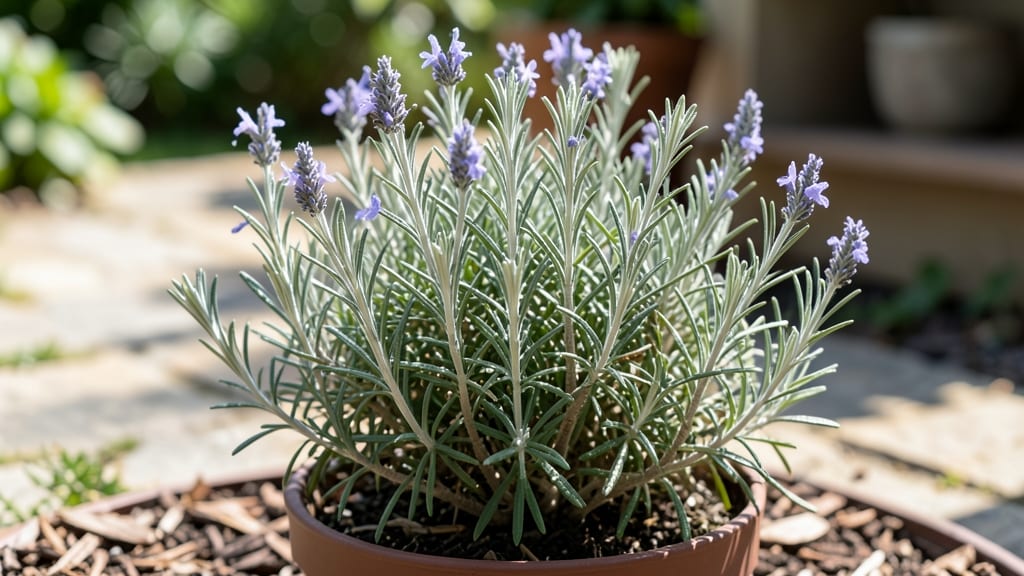
Rosemary herb is a perennial in USDA hardiness zones 8–11, thriving year-round in mild climates. In colder zones, it dies back but regrows from roots if protected or replanted annually. Pruning and winter care extend its lifespan beyond one season.
Rosemary's perennial nature comes from its woody stems and drought-resistant roots. 🌿 Unlike annual herbs that complete their life cycle in one season, rosemary's hardy structure lets it rebound year after year in warm climates.
The key difference lies in its ability to regenerate from the base—even if the top growth dies back in frost, the roots remain alive. This makes it perfect for Mediterranean-style gardens where winters are mild, but requires extra care in colder regions.
What sets rosemary apart is its evergreen nature—many varieties stay green even in winter, though they may slow growth. The USDA hardiness zones 8-11 range reflects where rosemary naturally thrives without protection, while zones 7 and below need strategic overwintering.
The good news? With proper care, even cold-climate rosemary can live for years, making it a worthwhile investment for herb gardeners.
💡 In This Article
- Why Rosemary Survives as a Perennial in Warm Climates
- How to Overwinter Rosemary in Cold Regions
Why rosemary survives as a perennial in warm climates
The secret to rosemary's perennial success lies in its woody stems and deep root system, which store nutrients and moisture for years. Unlike tender annual herbs like basil or cilantro, rosemary's stems contain vascular tissues that remain functional even after frost damage.
This woody structure allows it to regenerate from the base once conditions improve in spring.
Rosemary's drought resistance comes from its silver-green, needle-like leaves that reduce water loss through transpiration. The leaves have a waxy coating that reflects sunlight, while the roots can extend 3-5 feet deep to access moisture.
In USDA zones 8-11, where winter temperatures rarely drop below 10°F, rosemary maintains active growth year-round, often staying evergreen. The plant's ability to photosynthesize even in cooler temperatures gives it an advantage over many other herbs.
Botanically, rosemary belongs to the Lamiaceae family, which includes other hardy perennials like thyme and oregano. What makes rosemary unique is its cold hardiness threshold—it can tolerate brief exposures to 15-20°F without permanent damage in zones 8-9.
However, prolonged cold snaps below 10°F cause the above-ground growth to die back, though the roots remain viable for regrowth when temperatures rise.
Contrast this with annual herbs that complete their life cycle in one season. Annuals like dill or parsley grow rapidly, flower, produce seeds, and die within 6-12 months.
Rosemary's slow growth rate and perennial nature make it ideal for Mediterranean-style gardens, where it can thrive for decades with minimal intervention. The plant's ability to regenerate from the base means gardeners can enjoy fresh harvests year after year without replanting.
Understanding rosemary's hardiness involves looking at cold acclimation—a process where plants prepare for winter by increasing sugars in their tissues. Rosemary accumulates these protective compounds, which act like antifreeze, preventing cell damage during cold snaps.
This natural adaptation explains why established rosemary plants in warm climates often outlive their annual herb counterparts by 5-10 years or more.
For gardeners in marginal zones (like zone 7), the key difference between rosemary's success and failure often comes down to microclimate protection. A sunny, sheltered spot with good drainage can push rosemary's cold tolerance by 2-3 zones, while poor siting leads to winter dieback.
The plant's ability to regenerate from the base means even a "failed" winter might just require patience for regrowth in spring.
What most people don't realize is that rosemary's perennial nature extends beyond just its roots. The aromatic oils in its leaves contain compounds like 1,8-cineole and camphor, which have natural antifreeze properties. These same compounds also contribute to rosemary's distinctive pine-like fragrance and flavor. 🌿