
Orchid Care
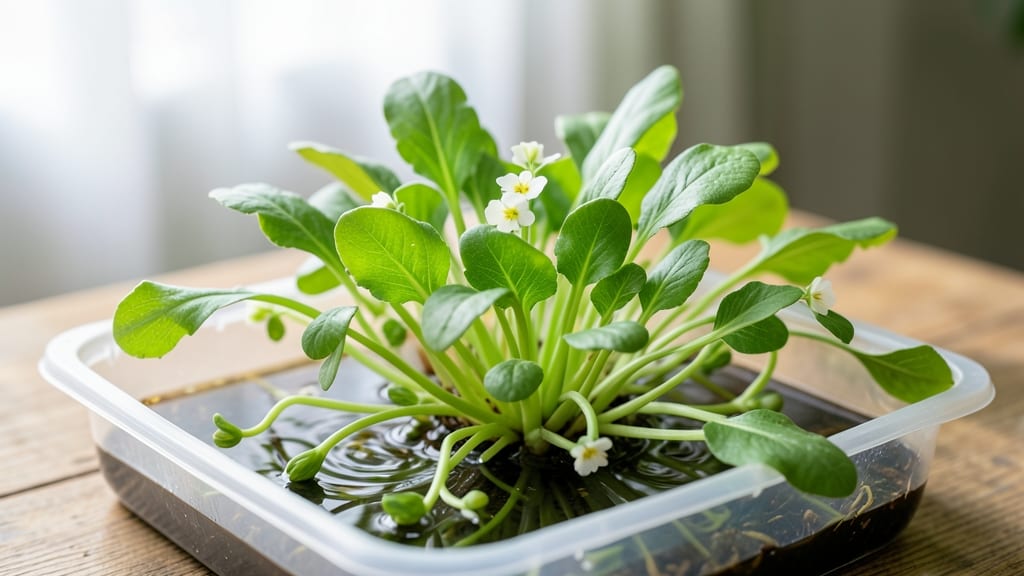
Sprouting orchids in water means growing keikis (baby plants) by cutting them from mature pseudobulbs and rooting them in distilled water until they develop strong roots, then planting them in orchid mix. Keep humidity high and avoid overcrowding to maximize success.
This method lets you propagate orchids without soil, giving you a clear view of root development. 🌱 The key is patience—roots typically take 4-6 weeks to establish before transitioning to soil, and using distilled water prevents mineral buildup that can harm delicate roots.
I’ve found that maintaining a warm, humid environment (like a greenhouse or under grow lights) speeds up the process while reducing stress on the keikis.
Once roots reach about 2-3 inches, you’ll know they’re ready to move to orchid mix. The transition should happen gradually to avoid shock, and I recommend using a well-draining mix to prevent rot.
This technique is especially useful for rare or expensive orchids, as it allows you to multiply plants without risking damage to the mother plant.
💡 In This Article
- How to Spot Healthy Orchid Keikis for Water Sprouting
- Step-by-Step Water Propagation for Orchid Keikis
How to spot healthy orchid keikis for water sprouting
Healthy keikis—the baby plants that grow from mature orchid pseudobulbs—must meet three key criteria before cutting: size, leaf color, and root development.
Look for keikis that are at least 1/3 the size of the parent pseudobulb, typically 2-4 inches tall, with at least 2-3 mature leaves that are a vibrant green, not yellowing or spotted.
The leaves should feel firm to the touch, indicating they've stored enough energy for independent growth. 🌿
Root development is the most critical factor. Keikis should have 1-2 visible roots that are at least 1 inch long, though some species like Phalaenopsis may start with none. These roots should appear thick and white or pale green, not shriveled or brown.
If the keiki has no roots, it can still be propagated in water, but it will take longer to establish. Seasonal timing matters too—spring and early summer are ideal because the plant’s natural growth cycle aligns with warmer temperatures and increased humidity.
Distinguishing viable from non-viable growth requires close inspection. Non-viable keikis often have mushy or hollow pseudobulbs, indicating they’re leaching nutrients from the parent plant rather than developing independently. Another red flag is stunted or curled leaves, which suggests poor health or pest damage.
Healthy keikis also grow upright from the parent pseudobulb, not at odd angles, as angled growth can signal instability or stress.
Timing your cut is just as important as selecting the right keiki. Wait until the keiki has at least 1-2 roots and the parent pseudobulb shows signs of drying out—this usually happens 6-12 months after the keiki first appears.
Cutting too early can shock the parent plant, while waiting too long may weaken the keiki’s ability to survive on its own. Use sterilized scissors or shears to make a clean cut 1/4 inch below the keiki’s base, ensuring you don’t damage the parent’s growth point.
One common mistake is confusing keikis with flower spikes or new pseudobulb growth. Flower spikes are thin, elongated, and often appear after blooming, while keikis grow directly from the side of a mature pseudobulb.
New pseudobulbs, on the other hand, emerge from the base of the plant and lack the distinct leaf structure of a keiki. Taking a moment to compare these features will save you from propagating the wrong part of the plant. ✨
For species like Cattleya or Dendrobium, keikis often appear after the parent plant has finished blooming, signaling it’s redirecting energy toward reproduction. In contrast, Phalaenopsis keikis may form along the flower spike, a process called spike keiki production.
Understanding these species-specific behaviors helps you predict when to expect keikis and plan your propagation schedule accordingly.