
Flowers
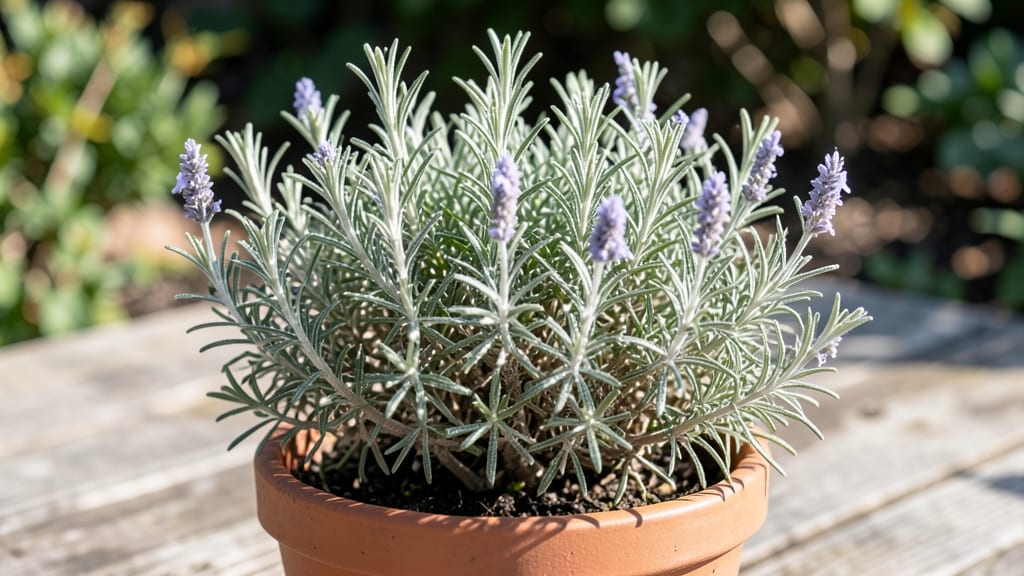
Salvia is a perennial in warm climates (USDA Zones 7-11) but often treated as an annual in colder regions (Zones 3-6) due to frost sensitivity. Many varieties regrow yearly in mild winters with proper care and mulching.
Salvia's perennial status depends entirely on your climate. 🌱 In frost-free zones, these plants happily return year after year, often growing even stronger with age. However, when temperatures dip below 20°F, most varieties suffer irreversible damage—this is why gardeners in colder regions replant annually.
The key difference lies in root hardiness: species like Salvia nemorosa can survive Zone 4 winters with protection, while tropical varieties like Salvia leucantha won't make it past the first frost without special care.
What this means for gardeners is simple: location determines strategy. In mild winters, mulching with 3-4 inches of straw or leaves can protect roots enough for regrowth. For colder areas, container growing with winter indoor storage becomes essential.
I've seen Salvia officinalis thrive as perennials in Zone 5 gardens with these techniques—proof that with the right approach, even "annual" salvias can become long-term garden stars.
💡 In This Article
- Salvia Perennial Survival by USDA Hardiness Zones
- Extending Salvia’s Lifespan in Cold Climates
Salvia perennial survival by USDA hardiness zones
The perennial nature of salvia hinges on its ability to withstand freezing temperatures, which varies dramatically between species. Most salvias originate from Mediterranean climates where winters rarely drop below 25°F, making them particularly vulnerable to frost.
The USDA Hardiness Zone Map serves as your first guide: salvias thrive as true perennials in Zones 7-11, where winter lows typically stay above 10°F. In these zones, salvias establish deep root systems that store energy for spring regrowth, often producing more robust blooms each year.
Cold-hardy varieties like Salvia nemorosa (Zone 4-9) and Salvia officinalis (Zone 5-8) contain natural antifreeze compounds that protect their cells from ice crystal formation. These species can survive -20°F to -10°F temperatures when fully dormant, thanks to their woody stems and thick root crowns.
In contrast, tropical salvias such as Salvia leucantha (Zone 8-11) and Salvia guaranitica (Zone 8-11) lack these adaptations and will die back completely when exposed to 28°F or colder, even if their roots remain intact.
The critical threshold for most salvias lies between 20°F and 25°F—this is where cell membranes begin to rupture from ice formation.
What's fascinating is how this temperature range aligns with the plant hardiness scale: salvias in Zone 6 (where winters dip to 0°F) often survive only if their roots are insulated with 6+ inches of organic mulch.
The difference between a Zone 7 winter (0°F to 10°F) and a Zone 5 winter (-20°F to -10°F) can mean the difference between perennial success and annual replanting.
Visual differences also emerge between cold-hardy and tender salvias. Hardy varieties develop woody stems that persist through winter, while tender species remain herbaceous and die back to the ground.
For example, Salvia nemorosa often sends up new growth from its protected crown even after severe frosts, whereas Salvia splendens (Zone 10-11) will blacken and collapse at the first frost. This structural difference explains why gardeners in Zone 5 might successfully overwinter Salvia officinalis but struggle with Salvia leucantha.
Here's what this means for your garden: if you're in Zone 7+, you can expect salvias to return year after year with minimal care. But in Zones 4-6, even the hardiest varieties need protective measures to survive.
The temperature threshold isn't just about survival—it's about root insulation, dormancy depth, and spring regrowth timing, all of which vary by species. 🌿
Consider this comparison: Salvia officinalis (common sage) can handle -15°F with proper mulching, while Salvia leucantha (Mexican bush sage) will die at 28°F without winter protection. This 50°F difference in cold tolerance explains why some salvias thrive as perennials in your region while others must be treated as annuals.