I’ve been obsessed with plants since I was a kid, sneaking seeds from my mom’s garden to grow in old tin cans by the back porch. There’s something about watching something small turn into something alive that never gets old. This site is where I share the lessons I’ve learned—from the triumphs (that first tomato!) to the disasters (the time the squash vines took over the whole yard). I aim to make gardening approachable, whether you’re a beginner with a windowsill or a veteran with a full plot.
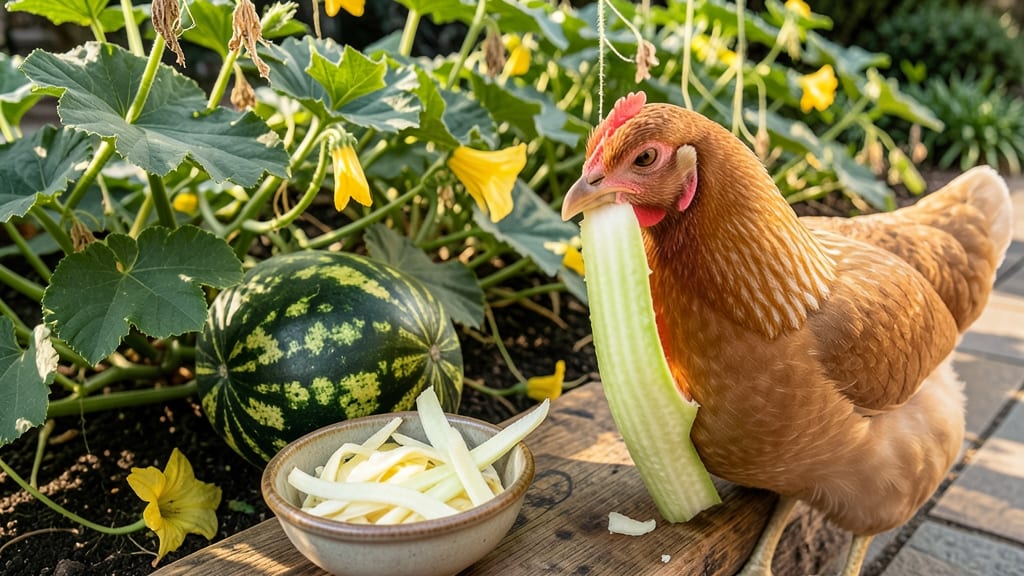
💥 Quick Answer Yes, chickens can eat watermelon rind in moderation, as it is safe and provides hydration, but remove seeds and cut into small pieces to prevent choking or digestive blockages. Feed sparingly due to sugar…
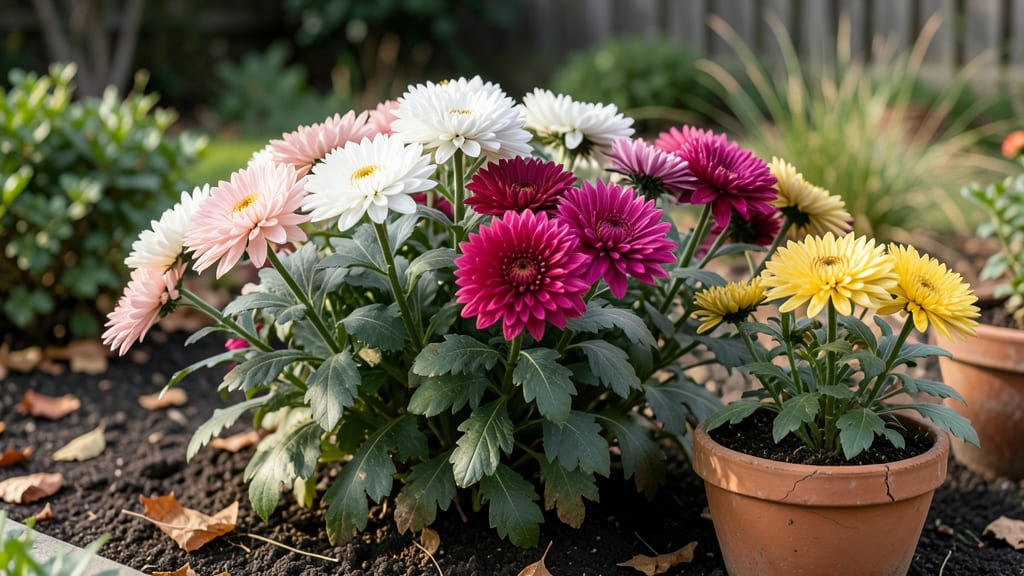
💥 Quick Answer Chrysanthemums are perennials in USDA hardiness zones 5-9, where they naturally return each year with proper care, though they may go dormant in winter before regrowing from their roots in spring. In…
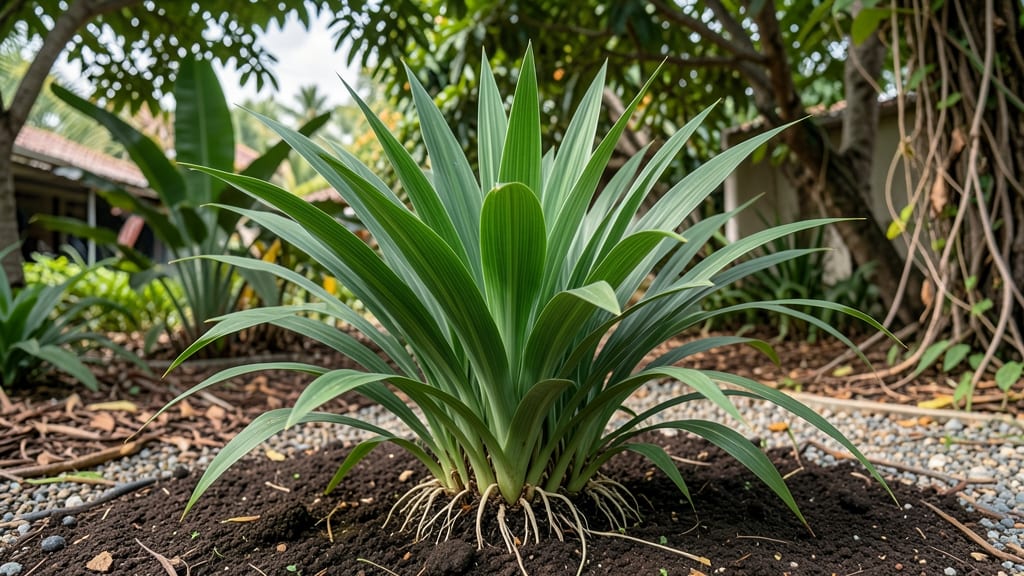
💥 Quick Answer Lemon grass is a perennial plant that thrives continuously in tropical and subtropical climates, maintaining its growth throughout the year when given proper care. In colder regions, it enters dormancy…
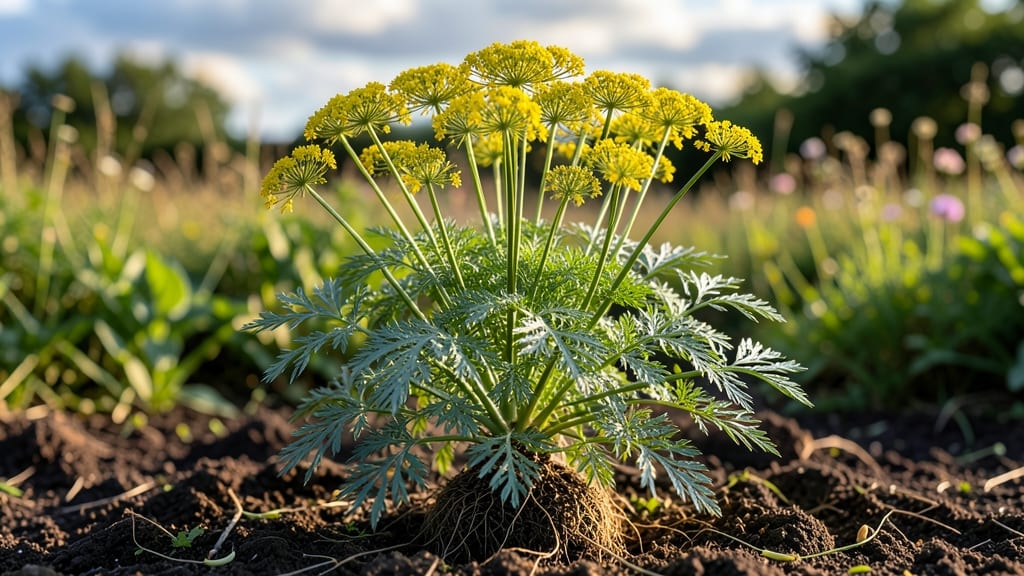
💥 Quick Answer Dill isn't a true perennial—it's a biennial herb that thrives for two years before dying back, though it self-seeds prolifically in mild climates to appear annually. In colder regions, it produces seeds…
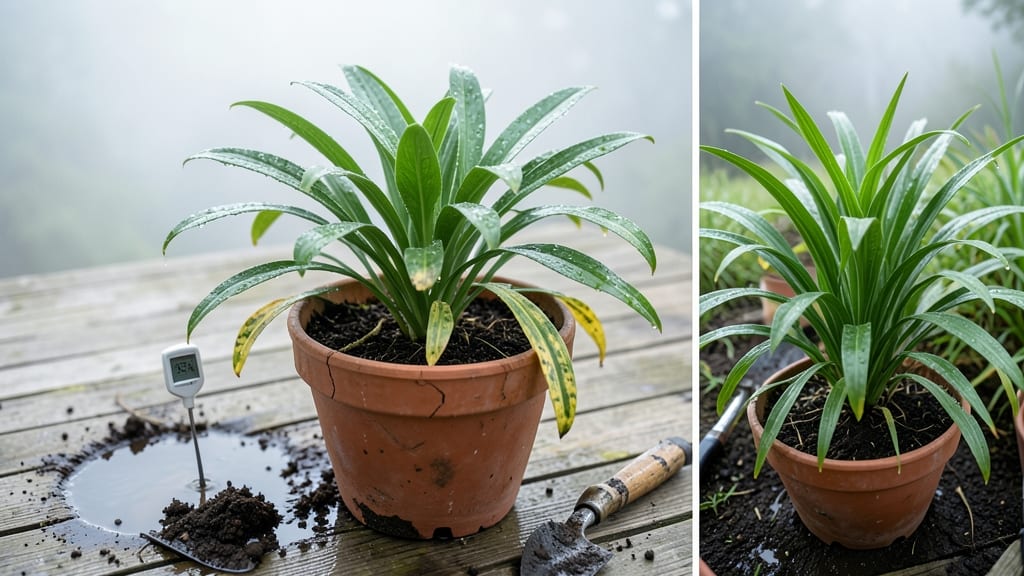
💥 Quick Answer Plants can get overwatered by rain when soil stays saturated for days, suffocating roots and blocking oxygen. Yellowing leaves, wilting, or moldy soil are key signs to watch for after heavy downpours. Too…
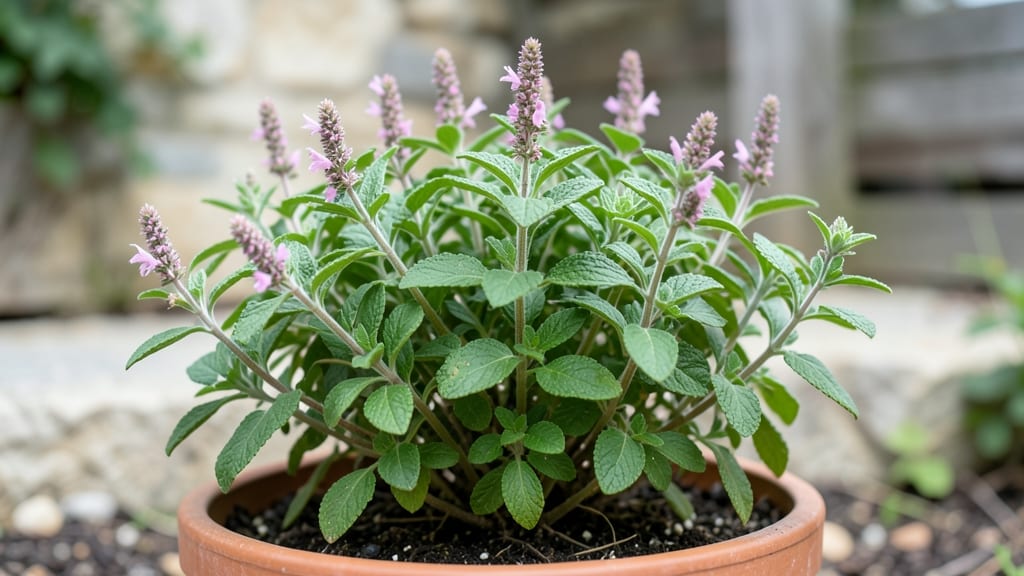
💥 Quick Answer Oregano is a perennial herb that thrives as a self-replenishing plant in gardens, returning stronger each year with proper care and USDA zones 5-10 suitability. Its woody stems and deep roots allow it to…
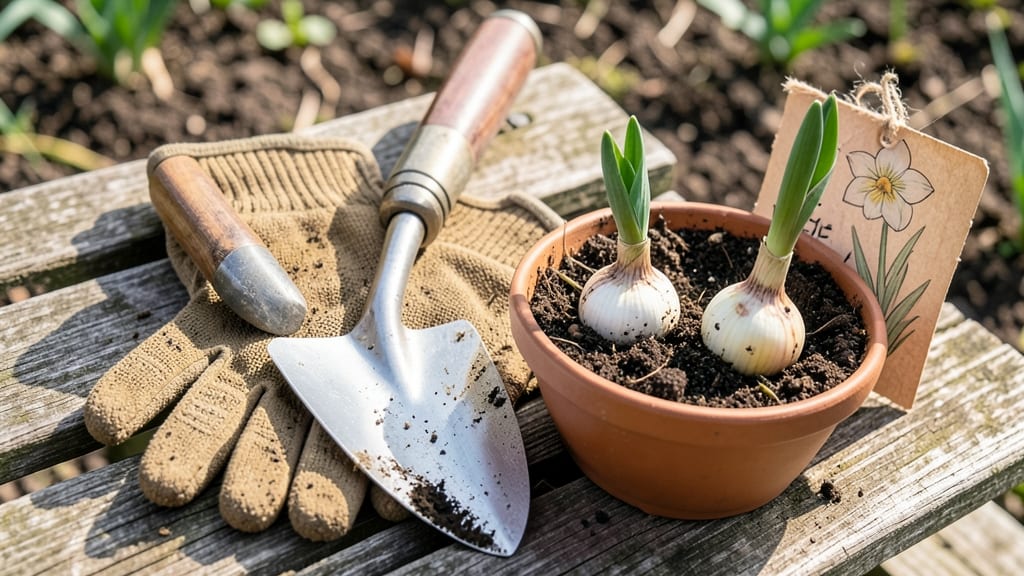
💥 Quick Answer Bulbs are not annual plants—they are perennial, regrowing each season from underground storage structures, though some like tulips often need replanting every few years due to their shorter natural…
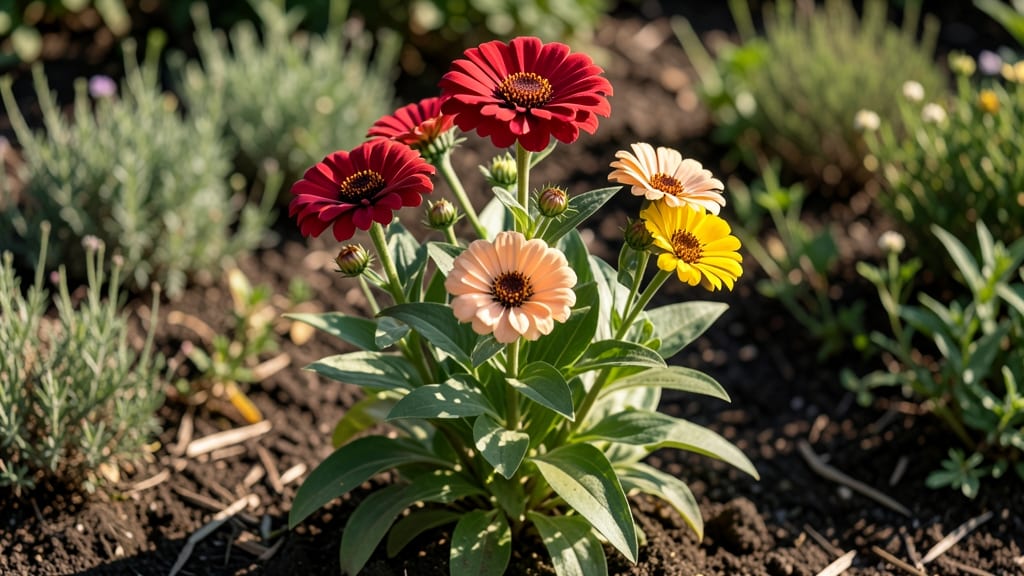
💥 Quick Answer Zinnias are not perennials—they're annuals that complete their life cycle in just one growing season, requiring replanting each year. However, in warmer climates, they may self-seed and return naturally…
Deer-resistant perennials like lavender and coneflower are the unsung heroes of any garden. 🌱 I remember my first year with deer—half my plants vanished overnight. These tough plants thrive where others fail…
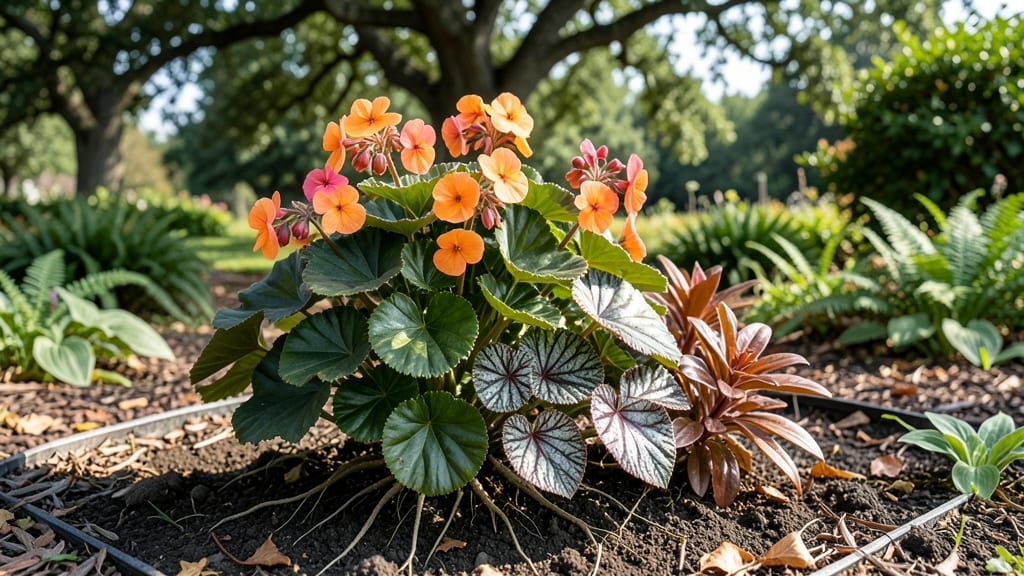
💥 Quick Answer Begonias act as perennials in frost-free regions (USDA Zones 10-12) but behave like annuals in cooler climates, losing foliage each year. Their underground roots or tubers survive winter dormancy when…