
Flowers
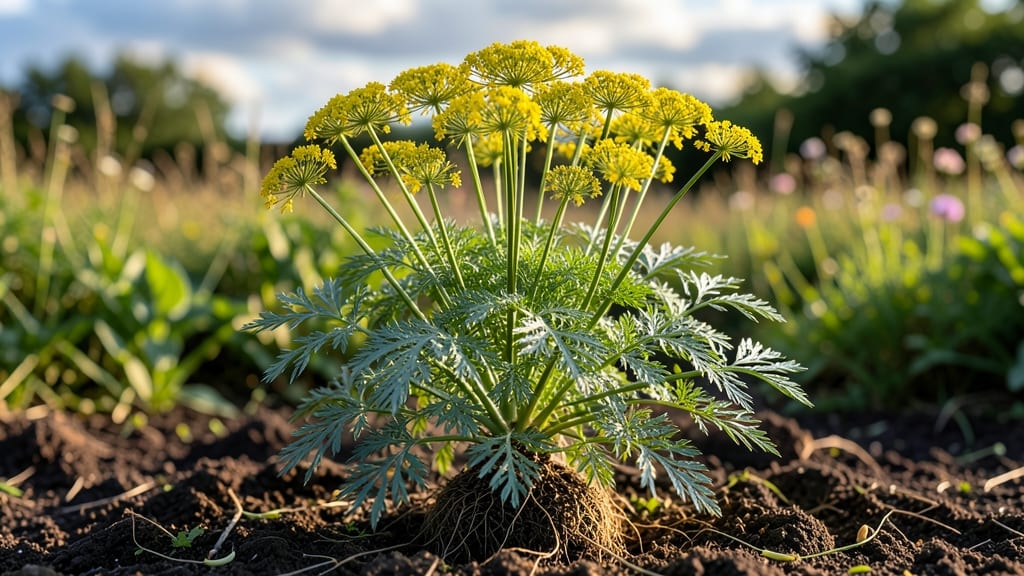
Dill isn't a true perennial—it's a biennial herb that thrives for two years before dying back, though it self-seeds prolifically in mild climates to appear annually. In colder regions, it produces seeds and dies after the first frost, but new plants sprout from those seeds the following spring.
Dill's life cycle is fascinating because it mimics true perennials through self-seeding rather than persistent roots. 🌱 Unlike perennials like parsley that regrow from the same root system, dill completes its life cycle in two years: the first year focuses on leaf growth, while the second produces flowers and seeds.
In warmer zones, these seeds germinate naturally, creating dense stands of dill that return each season without replanting. The key to success in colder areas is understanding this pattern—harvesting seeds before the first frost lets you control the next year's crop, while strategic fall planting can extend your harvest window.
What sets dill apart is its resilience through seed propagation rather than root survival. Many gardeners treat it as an annual because of this two-year cycle, but with proper seed collection and timing, you can enjoy fresh dill for years without replanting.
The trade-off? You'll need to manage seedling density, as dill can become overly aggressive if left unchecked.
💡 In This Article
- Why Dill Dies Back in Winter and How It Regrows
- Tips for Growing Dill Year-Round in Cold Climates
Why dill dies back in winter and how it regrows
Dill's biennial nature means it follows a two-year life cycle, unlike true perennials such as parsley that regrow from the same root system year after year. During its first year, dill focuses on vegetative growth, producing lush, feathery leaves that gardeners love for their bright flavor.
The plant stores energy in its taproot, but this root system isn't cold-hardy like true perennials—it typically dies when temperatures drop below 20°F. This is why dill often appears to "disappear" over winter in colder climates.
The magic happens in the second year when dill shifts its energy toward reproduction. As daylight lengthens in early spring, the plant bolts (sends up a tall flower stalk) and produces umbel-shaped flowers that eventually develop into flat, oval seeds.
These seeds contain everything needed to grow a new plant, including a hard outer coating that protects against freezing temperatures. When spring arrives, the seeds germinate naturally, creating new dill plants that look like they've returned from nowhere. 🌱
What makes this cycle work so well in mild climates is dill's prolific self-seeding habit. A single plant can produce 1,000-2,000 seeds, which scatter easily in the garden. These seeds remain viable in the soil for 3-4 years, waiting for ideal conditions to sprout.
In regions with mild winters (USDA zones 8-10), this natural process creates dense dill stands that appear annually without any intervention from gardeners. The trade-off is that these volunteer plants may not be as uniform or productive as those grown from fresh seeds.
Comparing dill to true perennials like parsley highlights this difference. Parsley's root system survives winter and regrows from the same crown each spring, producing leaves within 4-6 weeks of new growth. Dill, however, must start from scratch each year through seed germination, which takes 10-15 days under ideal conditions.
This slower start means gardeners in colder climates need to plan ahead—either by collecting seeds in fall or sowing fresh seeds in early spring to ensure a timely harvest.
The key to understanding dill's survival strategy lies in its seed biology. Dill seeds require a period of cold stratification (exposure to cold temperatures) to break dormancy, which naturally occurs during winter. This adaptation ensures seeds don't germinate in fall when frost would kill young seedlings.
Once stratified, seeds germinate quickly when soil temperatures reach 50-60°F, giving dill an early start in spring. The plant's ability to time this germination perfectly with spring warming makes it remarkably resilient despite not being a true perennial.
For gardeners in colder regions, this biennial cycle presents both challenges and opportunities. The challenge is managing the timing of seed production and germination to ensure a consistent harvest.
The opportunity lies in controlling the process—collecting seeds from your best plants and storing them properly can create a renewable source of dill for years. With the right approach, you can enjoy fresh dill year after year without treating it as a true perennial. 💫