
Pests
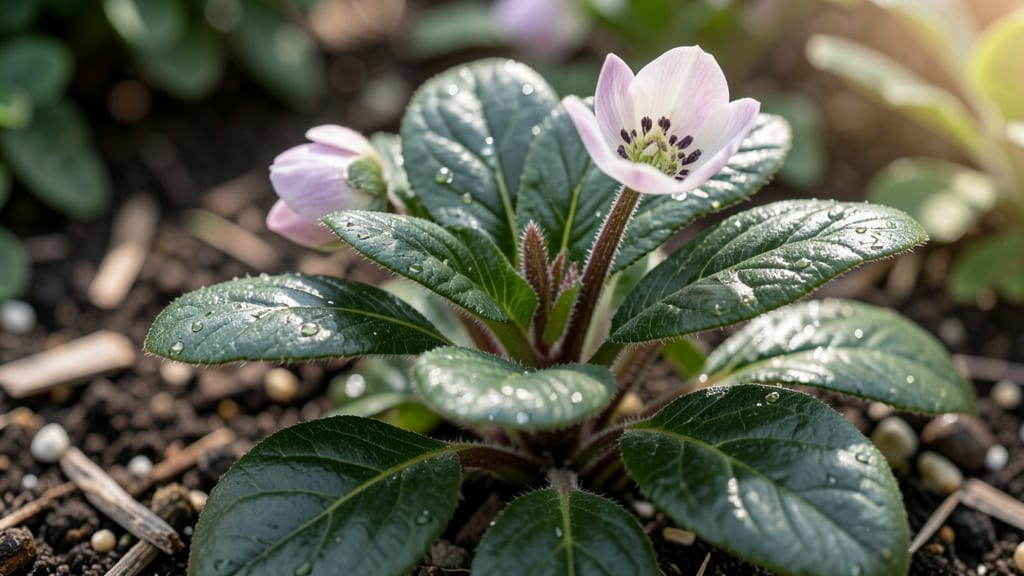
Deer-resistant perennials like lavender and coneflower are the unsung heroes of any garden. 🌱 I remember my first year with deer—half my plants vanished overnight. These tough plants thrive where others fail, multiplying naturally while keeping deer at bay.
Deer avoid them because of strong scents, fuzzy textures, or even mild toxicity. Lavender’s fragrance repels them entirely, while Russian sage’s silvery foliage feels unappealing to nibble. Most need full sun and well-drained soil, making them perfect for sunny borders or pollinator gardens.
By spring, you’ll see lush foliage and vibrant blooms that deer ignore. Pair them with companion plants like catmint or yarrow for extra protection. These perennials reward patience with minimal care and maximum impact.
Start with 3-5 plants this fall for a deer-proof foundation. Their hardiness zones range from 3 to 9, so they adapt easily. Once established, they’ll spread and flourish year after year—no deer, no drama.
📚 In This Guide
- What you need
- Instructions
- Tips and common mistakes
- Wrapping up and next steps
What you need
- ● Deer-resistant perennial plants (5–10+ varieties): 1–2 Lavender plants (drought-tolerant, fragrant)
- ● 3–5 Russian Sage (tall, purple blooms, deer-deterrent)
- ● 5–7 Coneflower (Echinacea) (bright, pollinator-friendly)
- ● 3–5 Salvia (varieties like ‘May Night’ or ‘Hot Lips’)
- ● 5–10 Black-Eyed Susan (golden-yellow, low-maintenance)
- ● 3–5 Yarrow (fuzzy foliage, deer avoid it)
- ● 5–7 Catmint (silvery-blue flowers, strong scent)
- ● 3–5 Daylilies (hardy, deer rarely bother them)
- ● Potting soil or garden soil: 2–3 cubic yards (amended with compost for nutrients)
- ● Organic mulch: 1–2 bags (pine straw, wood chips, or shredded leaves)
- ● Slow-release fertilizer: 10–20 lbs (10-10-10 or organic options like fish emulsion)
- ● Garden gloves & knee pads: 1 pair each (for comfort)
- ● Hand trowel: 1 (for precise planting)
- ● Garden fork or spade: 1 (for digging and aerating soil)
- ● Pruners: 1 pair (sharp, bypass-style for clean cuts)
- ● Watering can or hose with adjustable nozzle: 1 (for gentle watering)
- ● Measuring tape: 1 (to plan spacing, 12–36 inches apart for perennials)
- ○ Optional: Soil pH test kit (to check acidity/alkalinity)
- ● Deer repellent spray (for extra protection)
- ● Garden stakes or labels (for tracking plant varieties)
- ● Sunlight assessment: 6+ hours of direct sun per day (most deer-resistant perennials thrive here)
- ● Well-draining soil (amend clay soil with sand/compost if needed)
- ● Water source nearby (perennials need 1–1.5 inches of water weekly)
- ● Patience! Deer-resistant plants take 1–2 seasons to fully establish.
How to establish a deer-resistant perennial garden
Here's how I design gardens that deer ignore—no fences or repellents needed.
🌱 Step 1: Select Plants with Foliage Deer Hate
Choose perennials with strong aromas, fuzzy textures, or bitter compounds that deer instinctively avoid. My top picks include lamb's ear (with its fuzzy silver leaves), Russian sage (with its intense fragrance), and yarrow (bitter when chewed). I always plant at least three of each to create visual impact and natural spread.
Look for plants labeled "deer-resistant" on seed packets or nursery tags. These typically include catmint, bee balm, and hellebore. I avoid anything with soft, tender leaves—deer will snack on those first. The key is combining plants with different textures and scents so deer find the whole garden unappealing.
☀️ Step 2: Plant in Clusters with Strategic Spacing
Group plants in 3-5 foot diameter clusters rather than single plants. Deer are more likely to browse isolated plants, but dense clusters create a visual and olfactory barrier. I space each cluster 4-6 feet apart to allow natural spread while maintaining a full look.
Plant in full sun to partial shade—most deer-resistant perennials thrive in these conditions. The stronger the sunlight, the more intense the plant's natural defenses become. I always add a 2-inch layer of mulch around each cluster to suppress weeds and conserve moisture, which helps plants grow stronger and more resilient.
💧 Step 3: Water Deeply and Establish a Routine
Water newly planted perennials deeply once a week for the first 4-6 weeks, ensuring moisture reaches 6 inches down. This encourages deep root growth, making plants less vulnerable to deer browsing. I water in the early morning to reduce evaporation and fungal risks.
After establishment, most deer-resistant perennials need minimal watering—just enough to keep the soil from drying out completely. Overwatering weakens plants, making them more appealing to deer. I check soil moisture by sticking my finger 2 inches down; if it feels dry, that's when I water.
✂️ Step 4: Prune Strategically to Encourage Growth
Prune back dead or damaged foliage in early spring before new growth appears. This removes any weakened areas that might attract deer. I cut back one-third of the plant's height at a time, never more, to avoid stressing the plant.
For flowering perennials like bee balm, I deadhead spent blooms throughout the season to encourage more flowers. This not only keeps the garden looking tidy but also makes the plants more robust. I always use clean, sharp pruners to make clean cuts just above a leaf node—this prevents disease and encourages bushier growth.
🌿 Step 5: Monitor and Reinforce Natural Defenses
Keep an eye out for any signs of deer interest, like broken stems or nibbled leaves. If you spot these, add a few more strong-scented plants like lavender or rosemary nearby to create a stronger deterrent. Deer are less likely to linger where they encounter multiple plants they dislike.
I also rotate plant varieties every few years to keep deer guessing. If one plant suddenly becomes less appealing (due to deer adapting), the others will still provide protection. This approach ensures a dynamic, ever-changing garden that stays one step ahead of deer appetites.
Tips & tricks for creating a deer-resistant perennial garden
Here's what nobody tells you about building a garden deer won't touch—these tricks make all the difference.
Plant Diversity is Your Secret Weapon: Deer learn patterns, so I rotate plant varieties every 2-3 years to keep them guessing. For example, if deer start nibbling your lamb's ear, add some hellebore nearby—they'll move on before they realize the new plant is also unappealing. This creates a constantly evolving defense system that stays one step ahead of their browsing habits.
Soil Health Boosts Natural Defenses: Healthy plants have stronger natural defenses. Before planting, I mix in a 2-inch layer of compost into the top 6 inches of soil. This improves root strength, making plants less vulnerable to deer browsing. The deeper roots also help plants recover faster if they do get nibbled. Think of it as giving your plants a biological armor upgrade.
Seasonal Layering Creates Year-Round Protection: Deer are less predictable in winter, so I layer plants with different seasonal interest. For example, I plant Russian sage (which has winter interest) alongside bee balm (summer blooms) and catmint (which has late-season foliage). This ensures your garden stays visually appealing and deer-resistant all year long, not just during peak growing seasons.
Fence-Like Planting Without the Fence: Create natural barriers by planting dense clusters of yarrow and lamb's ear along property edges or near high-traffic deer paths. These plants grow vigorously and form thick foliage that deer instinctively avoid crossing. It's like building an invisible fence using only plants—no materials or installation required.
Pro Tips for Deer Resistant Perennial Plants
- Here's what nobody tells you about building a garden deer won't touch—these tricks make all the difference.
- Plant Diversity is Your Secret Weapon: Deer learn patterns, so I rotate plant varieties every 2-3 years to keep them ...
- Soil Health Boosts Natural Defenses: Healthy plants have stronger natural defenses. Before planting, I mix in a 2-inc...
Frequently asked questions
Got questions about keeping deer at bay while adding beauty to your garden? Here are some of the most common queries—and their answers—to help you make the best choices for your landscape:
What are the most deer-resistant perennials for shady areas?
If your yard is shady, opt for Hosta, Astilbe, Lungwort (Pulmonaria), or Bleeding Heart (Dicentra). These thrive in low light while being less appealing to deer due to their tough foliage or milder flavors. Pair them with Allium for extra protection—deer tend to avoid its strong scent!
How long does it take for deer-resistant perennials to establish and deter deer?
Most perennials take 1–2 growing seasons to fully establish, but deer may still nibble until they’re well-rooted. To speed things up, plant strong-scented varieties like Russian Sage (Perovskia) or Lavender—their fragrance acts as a natural deterrent almost immediately. Mulch heavily to discourage grazing early on.
Can I mix deer-resistant perennials with other plants?
Use deer-resistant perennials as "sacrificial borders" around prized plants. For example, plant Salvia or Catmint (Nepeta) around roses or hostas. Deer often avoid these first, leaving your favorites untouched. Just avoid mixing highly fragrant herbs (like mint) with delicate flowers—the scent can overwhelm them.
What do I do if deer still eat my "deer-resistant" plants?
Don’t panic! Try these fixes:
- Add physical barriers like fencing (at least 8 feet tall) or mesh around young plants.
- Use repellents like hot pepper spray or commercial deer repellents (reapply after rain).
- Plant in clusters—deer are less likely to graze if the area looks "too tough" to conquer.
Are deer-resistant perennials more expensive than regular ones?
Not necessarily! Many deer-resistant perennials, like Coneflower (Echinacea) or Black-Eyed Susan (Rudbeckia), are affordable and widely available. The real cost comes from specialty varieties (e.g., Deer-Resistant Hosta cultivars) or bulk repellent purchases. Start with budget-friendly options and expand as needed—your wallet (and garden) will thank you!
Wrapping up and next steps
Transforming your garden into a deer-resistant paradise doesn’t have to be a challenge—just a strategic choice! 🌱 With the right perennials like coneflowers, black-eyed Susans, and lavender, you’ll enjoy low-maintenance beauty that thrives while keeping hungry deer at bay.
These tough plants not only survive but multiply naturally, saving you time and effort year after year.
Ready to take the next step? Start small—pick 2-3 plants from our list, plant them in a sunny spot, and watch your garden flourish with minimal fuss. Happy gardening!