
Lawn
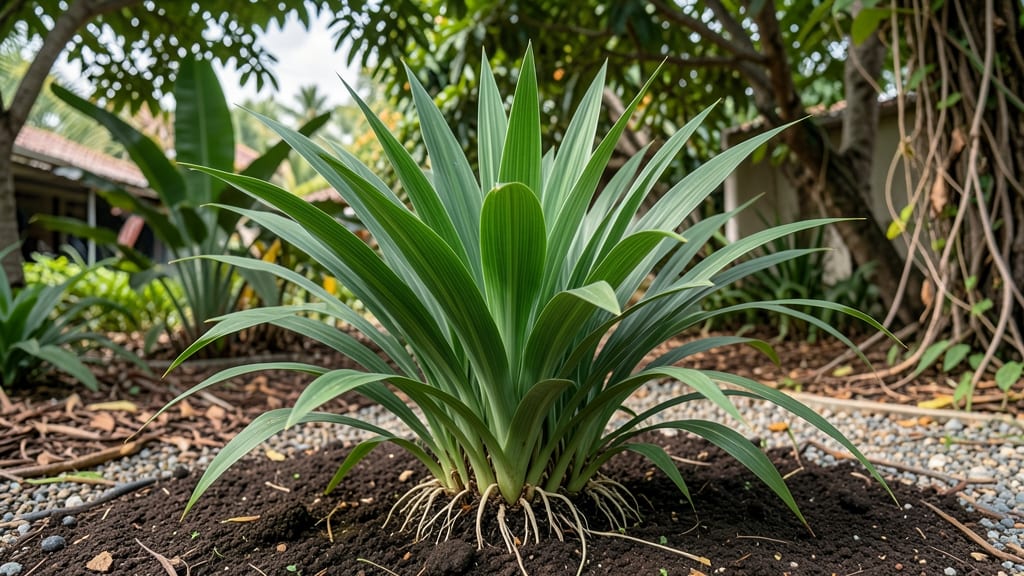
Lemon grass is a perennial plant that thrives continuously in tropical and subtropical climates, maintaining its growth throughout the year when given proper care. In colder regions, it enters dormancy during winter but reliably regrows from its underground rhizomes when spring temperatures return, showcasing its remarkable adaptability.
This adaptability comes from lemon grass's natural growth pattern as a clumping perennial, where its roots store energy underground. 🌱 In frost-free zones, it grows as an evergreen, producing new shoots continuously, while in colder areas, the above-ground stems die back but the rhizomes remain dormant until warm soil temperatures trigger regrowth.
What's fascinating is how this plant can survive temperatures as low as 15°F if protected properly, making it more resilient than many gardeners realize.
For those in colder climates, the key to success lies in understanding the plant's natural cycle. Harvesting before the first frost and storing the rhizomes indoors is a common strategy, while mulching heavily in fall can provide just enough insulation for the plant to survive outdoors.
The rhizomes act like natural storage units, holding all the energy needed for a fresh start when conditions improve.
💡 In This Article
- Lemon Grass Growth Habits in Warm vs Cold Climates
- Winter Care Tips for Growing Lemon Grass in Cold Regions
Lemon grass growth habits in warm vs cold climates
The key difference between lemon grass in warm and cold climates lies in its growth cycle and how it utilizes its underground rhizome system. In tropical and subtropical regions (USDA zones 9-11), lemon grass grows as a true evergreen perennial, continuously producing new shoots from its base throughout the year.
This happens because temperatures stay consistently above 50°F, allowing the plant's metabolic processes to run uninterrupted. The rhizomes store carbohydrates and nutrients, fueling steady growth while the plant maintains a lush, green appearance year-round.
In colder climates (zones 7-8), the plant's response to temperature shifts creates a dramatic seasonal transformation. When nighttime temperatures drop below 40°F for extended periods, the above-ground stems begin to yellow and die back—a natural survival mechanism.
What most gardeners don't realize is that the rhizomes enter a state of dormancy, where their metabolic activity slows dramatically to conserve energy. These underground stems can survive temperatures as low as 15°F for short periods, though prolonged exposure below 20°F risks damage.
The magic happens in spring when soil temperatures reach 60°F, triggering the rhizomes to send up new shoots within 2-4 weeks.
This dormancy mechanism is what makes lemon grass unique among culinary herbs. Unlike annuals that must be replanted each year or tender perennials that die completely in winter, lemon grass has built-in resilience through its rhizome system.
Think of it like a natural battery—when above-ground growth dies back, the rhizomes store all the energy needed for regrowth. This is why you'll often see lemon grass plants in colder climates appearing dead in winter only to bounce back with vigorous new growth when temperatures warm.
The growth patterns also affect how you harvest the plant. In warm climates, you can harvest stems continuously throughout the year, cutting them back to 4-6 inches from the base to encourage new growth.
In colder regions, the harvest window is typically limited to late summer and early fall before the first frost hits. The timing matters because once the plant enters dormancy, the stems become woody and less flavorful, making late-season harvests less desirable.
Another fascinating aspect is how lemon grass adapts its growth rate based on climate. In tropical regions, the plant grows more aggressively, often reaching 4-6 feet tall, while in cooler climates, it typically stays between 2-3 feet tall.
This adaptation helps the plant conserve energy in colder environments. The leaves also tend to be slightly narrower in cooler climates, another energy-saving mechanism that reduces surface area and water loss during dormancy.
For those growing lemon grass in containers, this growth behavior becomes even more apparent. In warm climates, container-grown plants can produce new shoots every 4-6 weeks, while in cooler climates, the same plant might only produce one strong harvest cycle before going dormant.
Understanding these patterns helps gardeners plan their harvests and care routines accordingly.