
Flowers
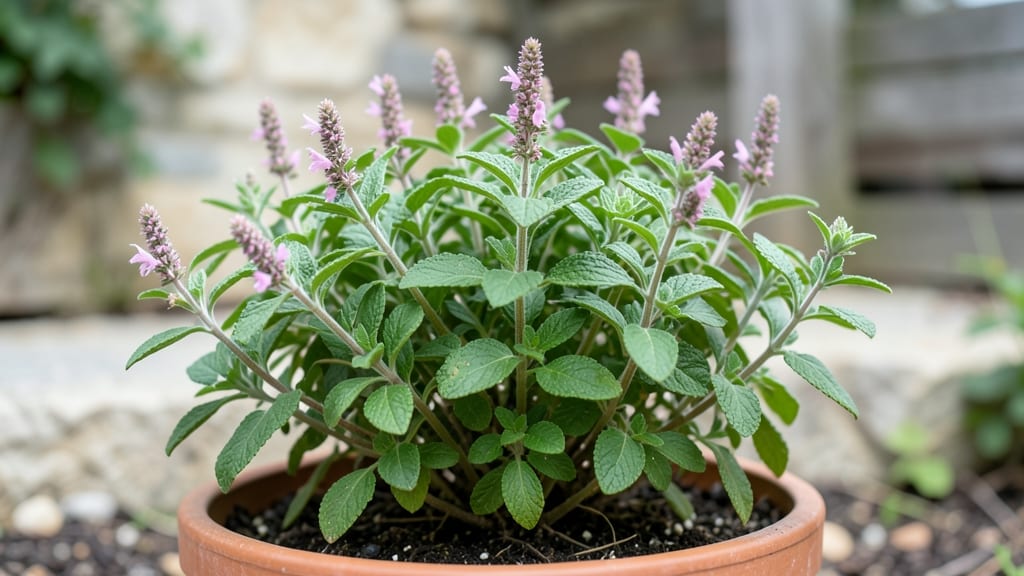
Oregano is a perennial herb that thrives as a self-replenishing plant in gardens, returning stronger each year with proper care and USDA zones 5-10 suitability. Its woody stems and deep roots allow it to survive winter dormancy before regrowing in spring.
Oregano's perennial nature comes from its ability to regenerate from the base each year, even after the above-ground growth dies back in winter. 🌱 Unlike annuals that complete their life cycle in one season, oregano develops a strong root system that stores energy, allowing it to push out new shoots when conditions improve.
This makes it perfect for gardeners who want a low-maintenance herb that keeps coming back—just give it well-draining soil, full sun, and occasional pruning to encourage bushier growth. Many gardeners also find that dividing established plants every few years helps maintain vigor and prevents overcrowding.
What's particularly impressive is how oregano adapts to different climates within its hardiness range. In colder zones, the foliage may brown and die back, but the roots remain alive underground, ready to rebound once temperatures rise.
This resilience means you can harvest fresh leaves for months each growing season without replanting, making it one of the most rewarding perennial herbs for both culinary and medicinal uses.
💡 In This Article
- Why Oregano Survives as a Perennial Plant
- Cultivating Oregano for Year-Round Growth
Why oregano survives as a perennial plant
The secret to oregano's perennial success lies in its woody stems and deep taproot system, which function like a built-in survival kit.
Unlike annual herbs that complete their life cycle in one season, oregano develops a lignified stem base that stores carbohydrates and nutrients, allowing it to withstand freezing temperatures down to -10°F in protected microclimates.
This woody structure acts as a shock absorber, preventing the plant from snapping under ice or heavy snow while keeping essential tissues alive underground. 🌿
Oregano's root system extends 12-18 inches deep, anchoring it firmly and accessing moisture from lower soil layers where annual plants can't reach. This deep penetration also helps it escape competition from shallow-rooted weeds.
The roots contain specialized cells that can remain metabolically active even when the above-ground growth is dormant, preparing for spring regrowth. Botanists classify this as basal regeneration, where new shoots emerge from the crown rather than seeds.
The plant's cold hardiness varies slightly by variety, with Greek oregano (Origanum vulgare hirtum) generally handling colder climates better than Mexican oregano (Lippia graveolens). In USDA zones 5-7, a thick layer of mulch (3-4 inches) can push hardiness limits even further by insulating roots.
What's fascinating is how oregano's leaves contain volatile oils that act as natural antifreeze, protecting cellular structures during winter. This is why you'll often see browned foliage in winter—it's not dead, just conserving energy until warmer temperatures trigger regrowth.
Another key adaptation is oregano's ability to photosynthesize at low light levels (as little as 4 hours of sunlight per day), though it thrives with 6-8 hours of full sun.
This flexibility means it can regrow quickly in spring when days lengthen, often producing 20-30% more foliage than its first-year growth. The plant's semi-evergreen nature in warmer climates means some leaves persist year-round, providing an early food source for pollinators when few other herbs are active.
Consider how this compares to annual herbs like basil: while basil produces a single harvest season, oregano's multi-year growth cycle means each plant can yield 3-5 times more over its lifespan.
The trade-off is slower initial establishment (taking 6-8 weeks to reach harvestable size), but once established, oregano's perennial nature makes it a cost-effective garden investment that pays dividends for years. 💫
For gardeners in marginal climates, understanding these botanical traits explains why oregano often outlasts other Mediterranean herbs. Its ability to recover from frost damage and regenerate from the base makes it uniquely resilient compared to plants that rely solely on seed propagation or shallow root systems.
This hardiness is what allows oregano to thrive in everything from rock gardens to container cultures, adapting to diverse growing conditions while maintaining its perennial status.
The science behind this longevity involves a complex interplay of secondary metabolites (like rosmarinic acid) that protect against pathogens and environmental stressors, combined with the plant's ability to reallocate resources from dying foliage to root storage organs.
This biological efficiency is why oregano has been cultivated for thousands of years—it doesn't just survive winter, it comes back stronger each season with proper care. 🌱