
Flowers
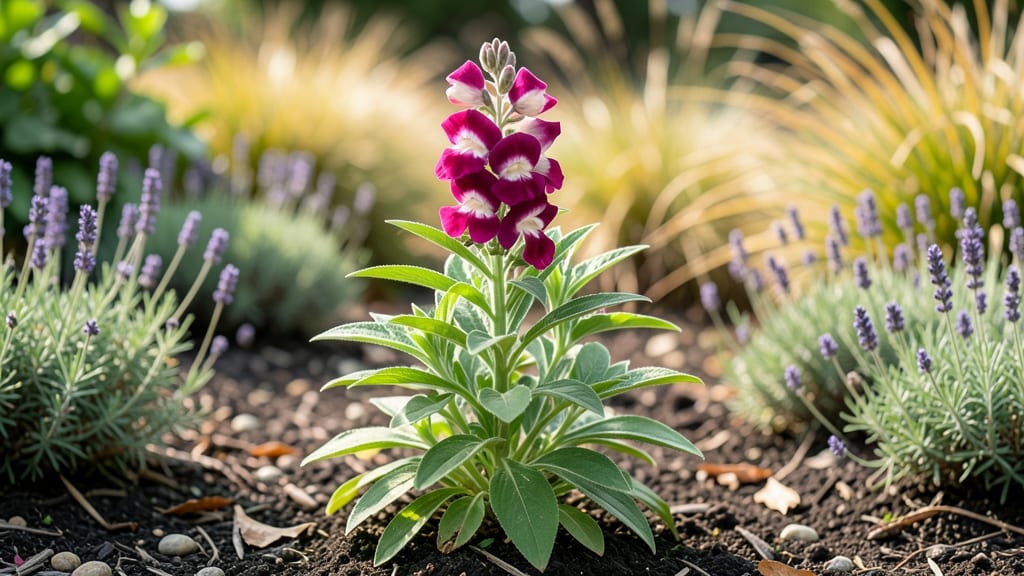
Snapdragons are not perennial in most cold climates but thrive as annuals, though some varieties can survive mild winters in zones 7-11 with proper mulching and protection. Hardy snapdragons like Antirrhinum majus may self-seed for repeat blooms.
Most snapdragons act as annuals because their tender stems can't survive freezing temperatures. 🌱 However, the Antirrhinum majus variety—common in gardens—can persist through mild winters in warmer zones if you protect the roots with thick mulch or burlap wraps.
The key difference lies in their growth habits: while many snapdragons die back completely, some hardier types may regrow from their base in spring, especially if they've self-seeded. For colder regions, consider planting cold-tolerant hybrids or treating them as tender perennials with seasonal care.
This explains why gardeners in zones 3-6 often grow snapdragons as annuals despite their potential for repeat blooms. The trade-off between effort and results makes them popular choices for seasonal color, especially since their seeds are inexpensive and easy to sow each spring.
💡 In This Article
- Snapdragon Cold Hardiness by Plant Variety
- Extending Snapdragon Blooms in Cold Climates
Snapdragon cold hardiness by plant variety
Snapdragons' ability to survive winter depends entirely on their species and native climate. The most common garden variety, Antirrhinum majus, originates from the Mediterranean region where temperatures rarely drop below 20°F.
This explains why its stems freeze and die back in zones below 7, even though the roots may linger until spring. In contrast, Antirrhinum linkianum—a wild snapdragon from the Canary Islands—tolerates slightly cooler conditions, surviving brief dips to 15°F when protected.
Here's the key difference: Antirrhinum majus has herbaceous stems that lack the woody structure to withstand frost, while some wild relatives develop semi-woody bases that can regenerate after cold snaps. The root systems of snapdragons typically survive down to 10°F if protected, but unprotected foliage dies at 28°F.
This is why you'll often see snapdragons return in mild winters—the roots live on, ready to sprout when temperatures rise. 🌱
For gardeners in zones 3-6, this means treating snapdragons as annuals unless you take specific steps. The Antirrhinum majus variety's ability to self-seed is its secret weapon—dropping seeds that germinate in spring, creating a natural renewal cycle.
In warmer zones (7-11), these plants can persist year-round with minimal care, as their native climate conditions align more closely with Mediterranean winters.
What most gardeners don't realize is that snapdragons' cold tolerance varies even within the same species. For example, some Antirrhinum majus cultivars have been selectively bred for slightly better cold resistance, surviving brief exposures to 25°F when mulched properly.
This variation is why you'll sometimes see snapdragons pop up unexpectedly in spring—those that survived the winter's mildest periods.
Consider these hardiness factors when selecting varieties:
- Root survival: Can endure 10-15°F with protection
- Stem survival: Dies at 28°F without protection
- Self-seeding: Provides natural renewal in zones 7-11
- Wild relatives: Some can tolerate 15°F with natural adaptations
The Mediterranean origin of most snapdragons explains their frost sensitivity. Their natural habitat experiences mild winters with rare freezes, so their biology hasn't evolved to handle prolonged cold. This is why gardeners in colder climates must choose between treating them as annuals or implementing protective measures to extend their lifespan. 💫