
Flowers
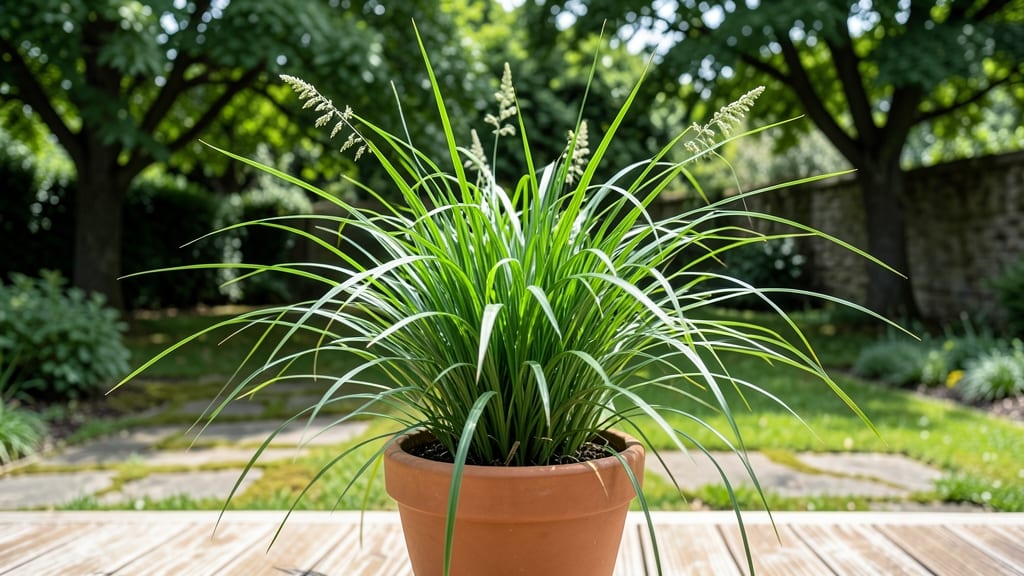
Citronella behaves as a tender perennial in USDA zones 9-11, meaning it dies back to the ground during frost but regrows from its root system each spring with proper winter care.
Citronella's perennial status depends entirely on your climate. In warmer zones (9-11), it thrives year-round, returning stronger each spring from its hardy roots. 🌱 But in colder regions, it acts more like an annual—unless you take steps to protect those roots through winter.
The key difference lies in how well the root system survives freezing temperatures, which determines whether your plant will bounce back in spring or need replanting.
For gardeners outside those zones, the good news is that citronella roots are surprisingly resilient. With proper mulching or container protection, you can coax it back to life season after season.
I've seen it happen in zone 8 gardens where the roots stayed dormant but viable through winter, ready to sprout once temperatures warmed.
💡 In This Article
- Citronella Plant Hardiness Zones Explained
- Winter Care Tips to Protect Citronella Roots
Citronella plant hardiness zones explained
The USDA divides citronella's hardiness into three clear categories based on winter survival. In zones 9-11—where winter lows rarely drop below 20°F—citronella thrives as a true perennial.
Its deep, fibrous root system remains dormant but viable through mild winters, ready to sprout when temperatures rise above 50°F in spring. The plant's natural resilience comes from its tropical origins, where it evolved to handle brief dry periods but not prolonged freezing.
In zones 8 and below, citronella behaves more like an annual because roots struggle to survive prolonged exposure to 15°F or colder.
The critical threshold is 28°F: below this, cell membranes in the roots begin to rupture, killing the plant's ability to regenerate. 🌡️ What's fascinating is how the plant's above-ground growth reacts—leaves turn brown and crisp, but the roots may remain alive if protected, demonstrating why proper winter care makes all the difference in colder climates.
Here's how the zones break down in practical terms: In zone 9, you might see 2-3 inches of mulch suffice to protect roots during light frosts (25-30°F), while zone 8 gardens need 4-6 inches of insulation.
The deeper the roots go (often 12-18 inches), the better their chance of survival, which is why planting in well-drained soil with organic matter becomes crucial for colder zone gardeners.
The plant's dormancy cycle follows a predictable pattern: Growth slows below 60°F, stops completely at 50°F, and enters true dormancy when nighttime temps hit 40°F.
This explains why you'll see citronella struggling in zone 7 gardens during sudden cold snaps—its roots simply haven't had time to establish the protective energy reserves needed for winter survival. The good news is that even in marginal zones, roots can remain viable for 1-2 years if properly insulated.
What most gardeners don't realize is how citronella's growth habit changes with zone. In warmer climates, it grows 3-5 feet tall with multiple stems, while in colder zones, it often stays shorter (1-2 feet) because the plant conserves energy for root development.
This adaptation is nature's way of ensuring survival—prioritizing root strength over above-ground growth when winter threats loom. 🌱 The key takeaway is that while citronella isn't cold-hardy, its root system's tenacity makes it possible to coax it back year after year with the right techniques.
For visual reference, imagine this: In zone 10, your citronella might look like a lush, multi-stemmed bush year-round, while in zone 8, it might appear dead in winter but spring back to life like a phoenix.
The difference lies entirely in how well those underground roots remain protected from freezing temperatures—making winter care the deciding factor between annual and perennial behavior.